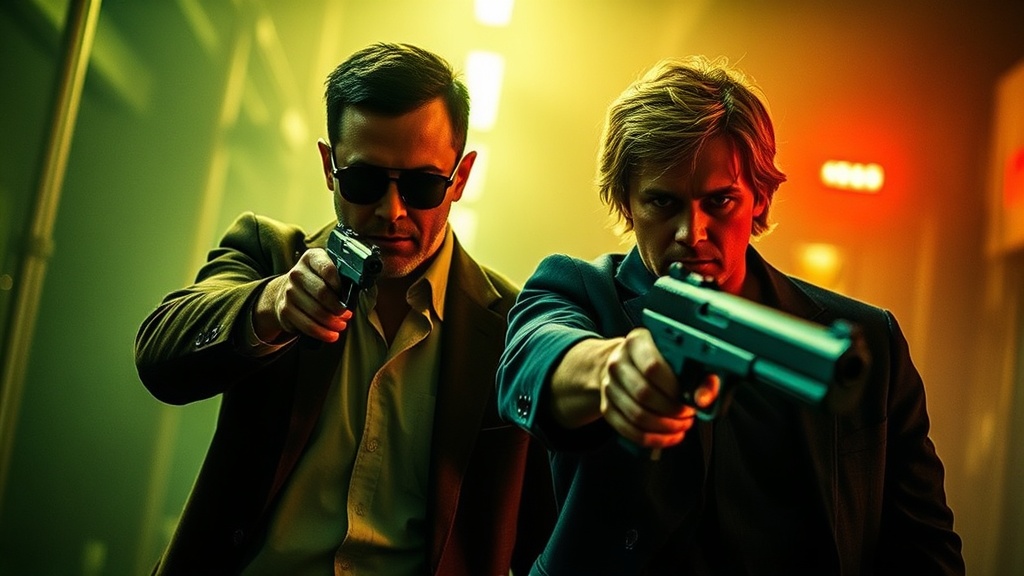
10 Movies That Prove Mid-Budget Thrillers Are the Last Great Form of Cinema
Michael Clayton (2007)
Collateral (2004)
The Fugitive (1993)
Prisoners (2013)
Heat (1995)
Zodiac (2007)
Sicario (2015)
No Country for Old Men (2007)
Se7en (1995)
The Insider (1999)
Vibe Check: There’s a specific kind of movie we’ve been quietly losing—the $20–50M thriller that just works. No cinematic universe homework, no four-quadrant compromise. Just clean blocking, sharp lighting, actors locked in, and a story that knows when to get in and get out. You feel it in your chest about 15 minutes in: “Oh, this thing is cooking.”
Look, we need to talk about the mid-budget thriller of it all. This used to be the backbone of the industry. Now? Buried under IP sludge and streaming mush. So here are 10 films—across decades—that remind us what happens when craft meets restraint.
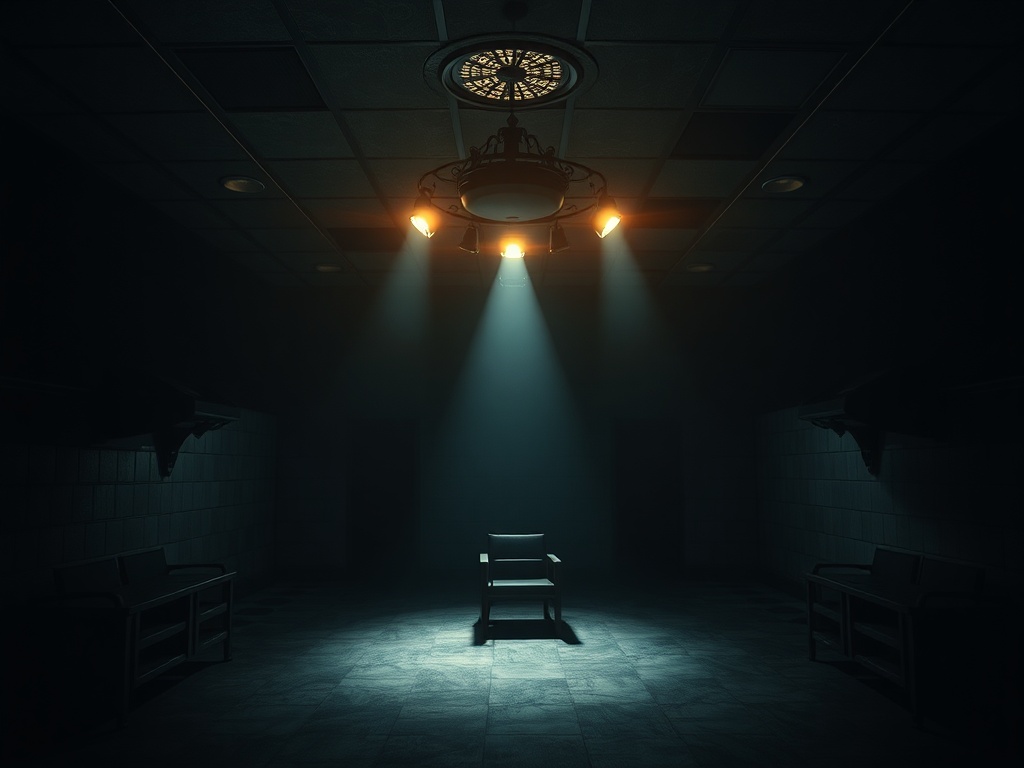
1. Michael Clayton (2007)
This is the gold standard for adult thrillers. Not loud. Not flashy. Just devastatingly precise. Watch how the film uses space—conference rooms feel like battlegrounds, hallways feel like traps. (Check that shallow depth of field in the late-night scenes—faces floating in darkness.)
The real magic? It trusts silence. It trusts actors. It trusts you. That’s a dying skill.
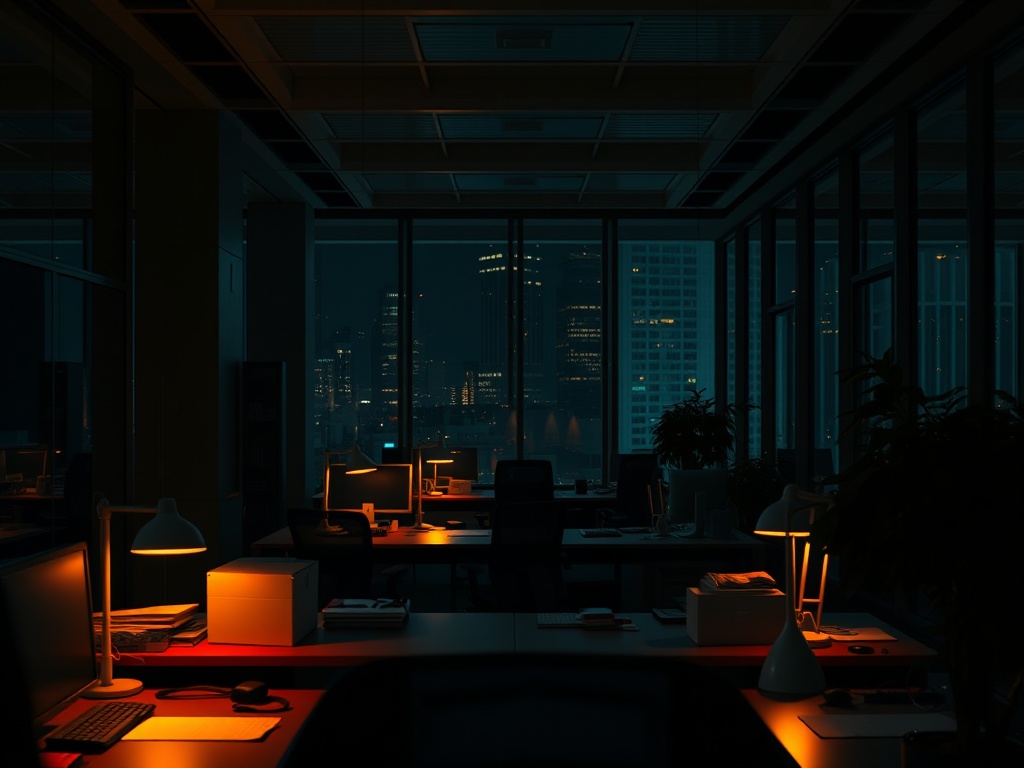
2. Collateral (2004)
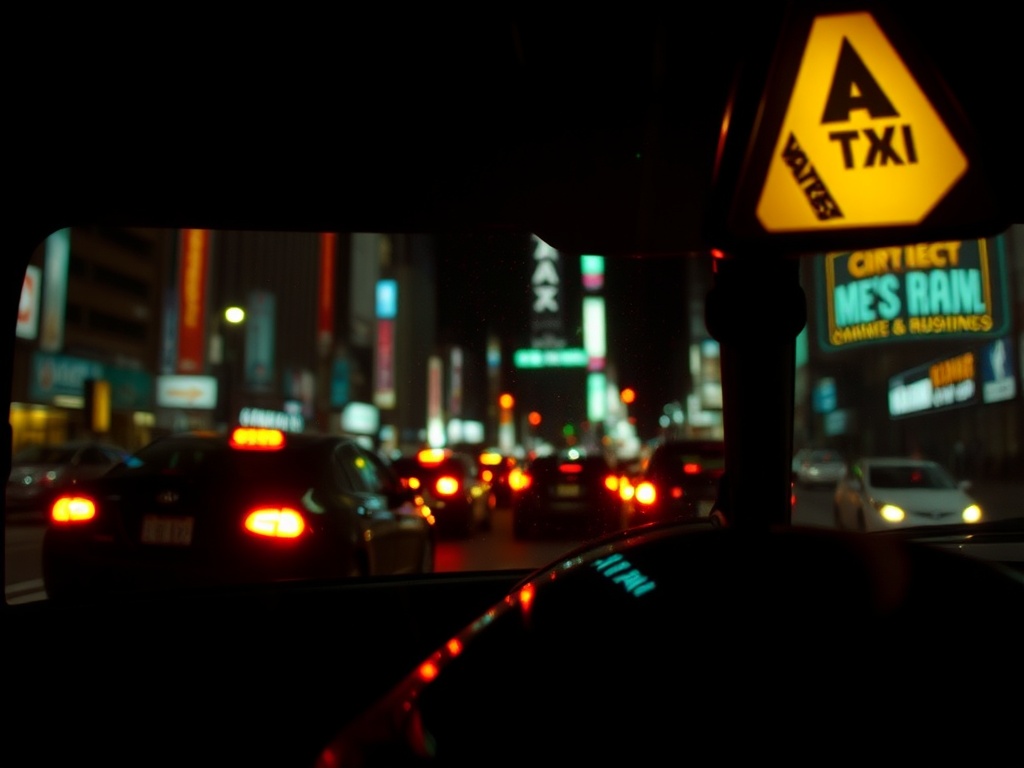
The Michael Mann of it all. Digital done right before everyone forgot how to light for it. L.A. at night has never looked more alive—grainy, electric, dangerous.
Look, everyone talks about Tom Cruise being scary. Sure. But the real star is the lighting—street sodium vapor bleeding into skin tones. This movie breathes.
3. The Fugitive (1993)
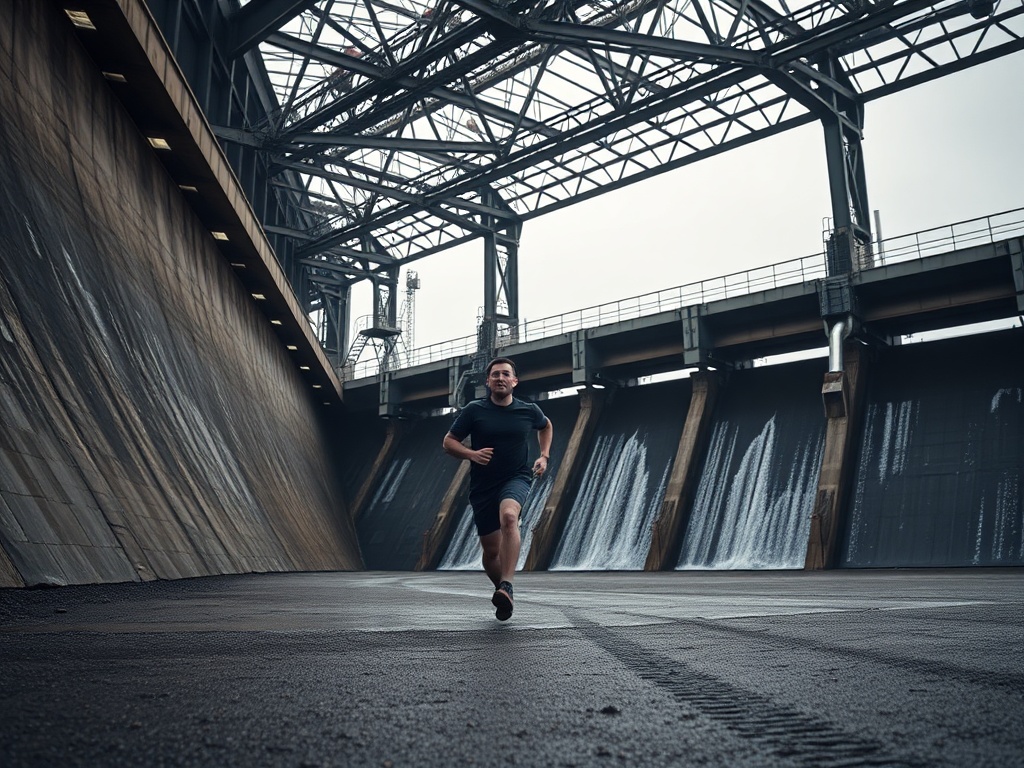
Pure propulsion. This thing moves like it’s late for a train. Every scene has a purpose, every cut pushes forward.
And here’s the thing: it’s all practical. Real locations, real stunts. You feel the geography. When Harrison Ford runs, you know exactly where he is in relation to everything else. That’s craft.
4. Prisoners (2013)
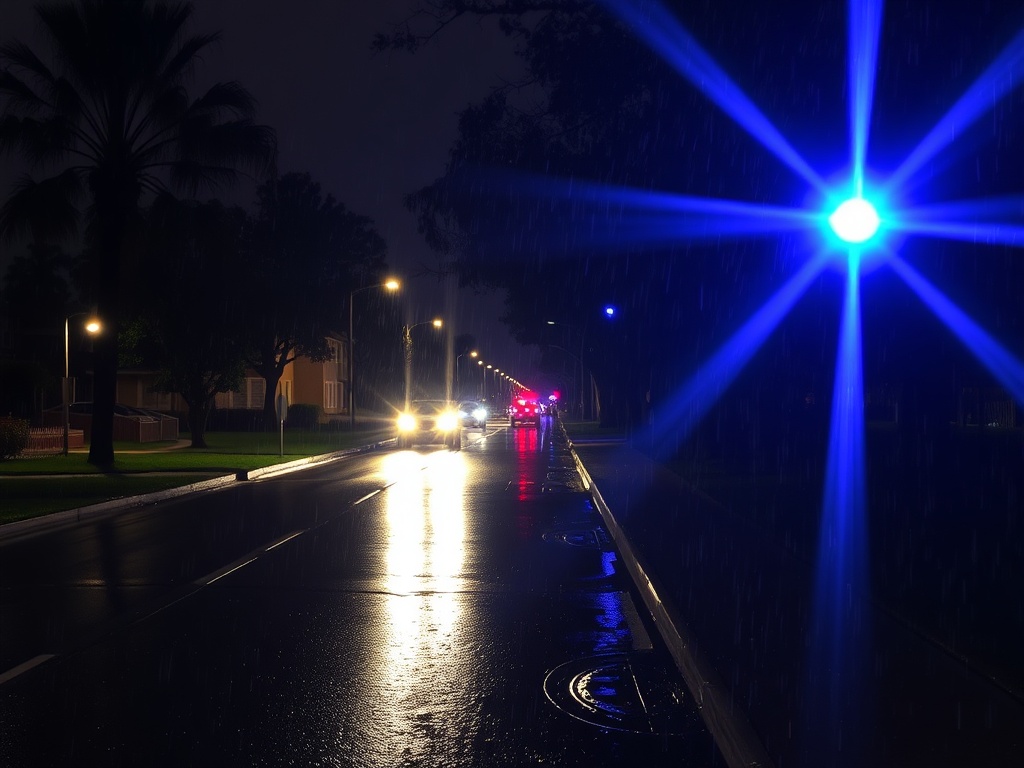
The Villeneuve of it all before the budgets exploded. This is mood as narrative. Rain, mud, darkness—every frame feels heavy.
(Aspect ratio locked in at 2.39:1, letting those suburban streets stretch into something eerie.) The tension isn’t just in the story—it’s baked into the frame.
5. Heat (1995)
Yes, it’s big. But structurally? It’s still a mid-budget thriller at heart—two guys, opposing forces, circling each other.
The downtown shootout gets all the love, but watch the quiet scenes. The coffee shop conversation? That’s where the movie lives. Two pros recognizing each other. No music. Just air and tension.

6. Zodiac (2007)
Obsessive, procedural, hypnotic. This movie doesn’t rush—and that’s exactly why it works.
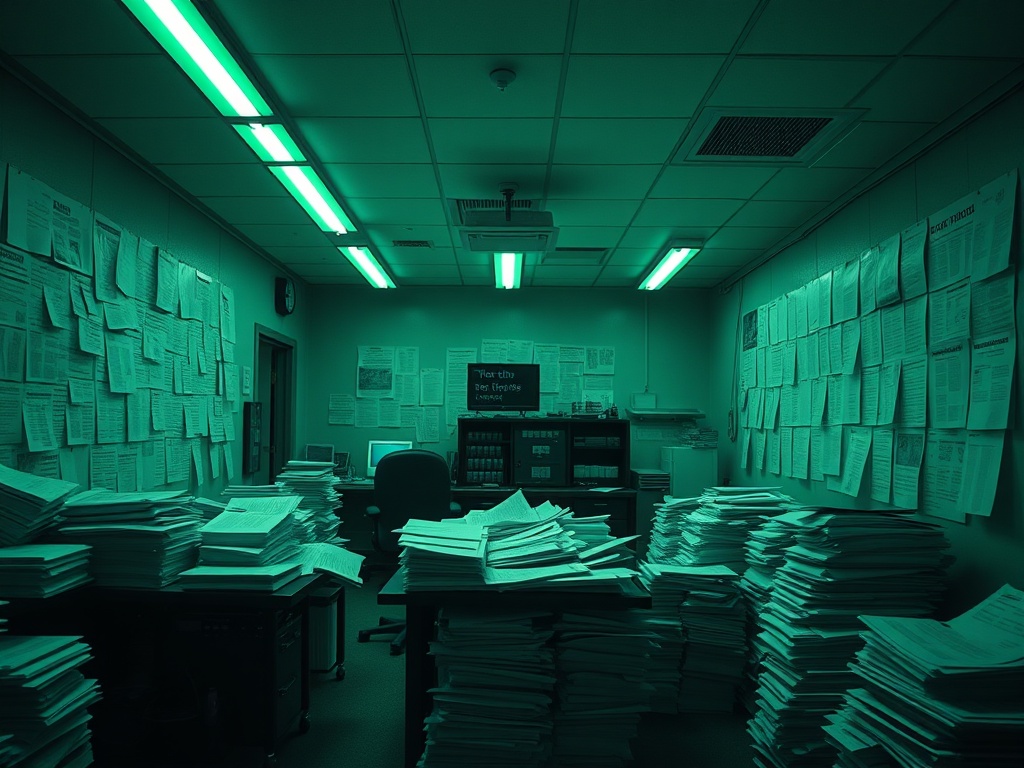
Look at the lighting progression. Early scenes feel grounded and warm. As the obsession grows, the world drains out. You’re left in fluorescent purgatory. It’s subtle, but it hits.
7. Sicario (2015)
This is tension you can measure. Every sequence feels like it’s tightening a screw.
Roger Deakins doesn’t shoot coverage—he composes inevitability. The border crossing scene? It’s basically a symphony of blocking and timing. No wasted movement.
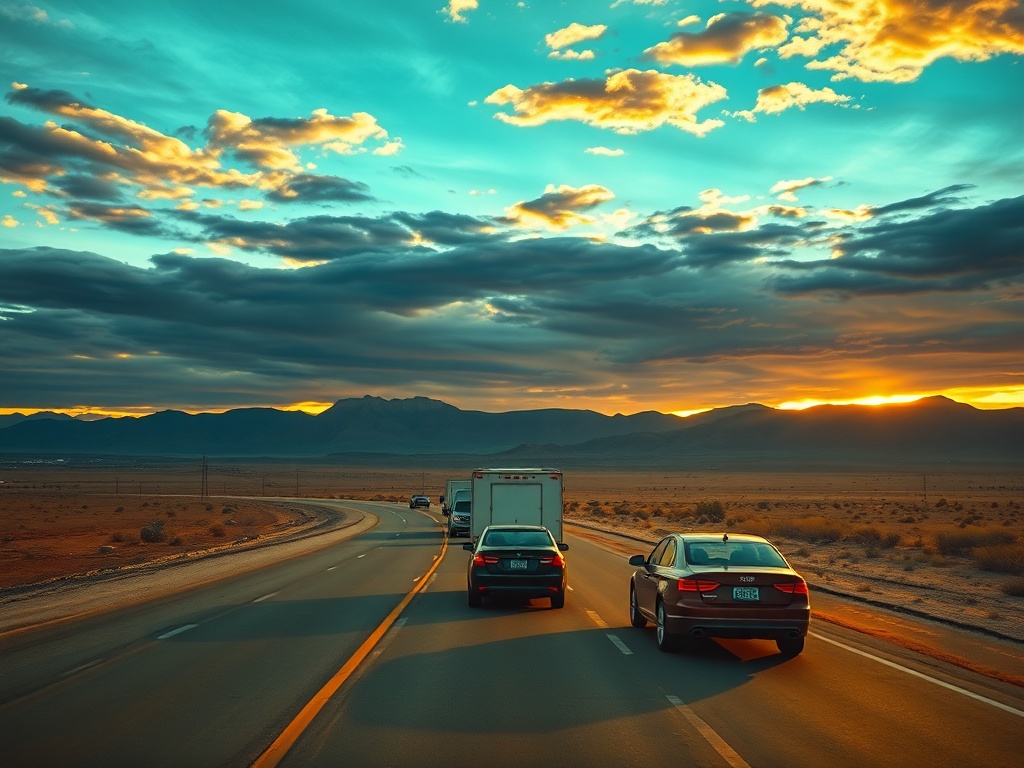
8. No Country for Old Men (2007)
Minimalism as brutality. No score. No hand-holding. Just pure cause-and-effect storytelling.
The Coens strip everything down to essentials—light, shadow, movement. That’s why every sound (a door creak, a footstep) feels like a gunshot.
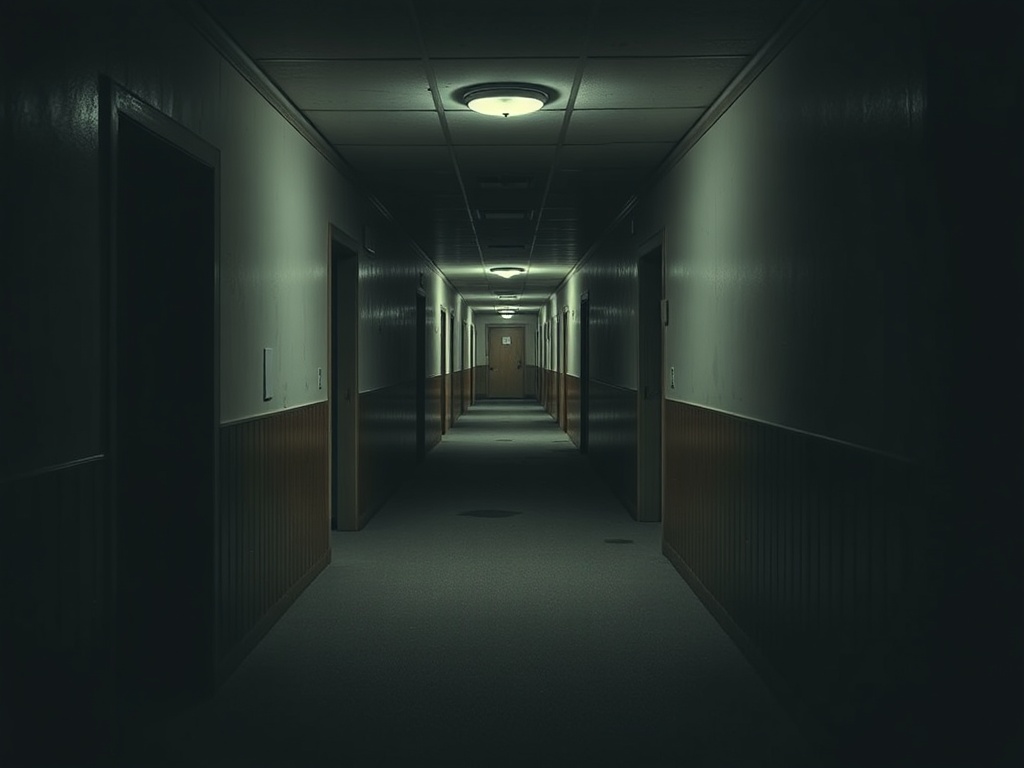
9. Se7en (1995)
Dirty, oppressive, relentless. This is a movie that feels like it smells bad—and that’s a compliment.
Look, the rain isn’t just weather. It’s texture. It’s world-building. The city becomes a character. And the lighting? Low, grimy, suffocating. You can’t escape it.
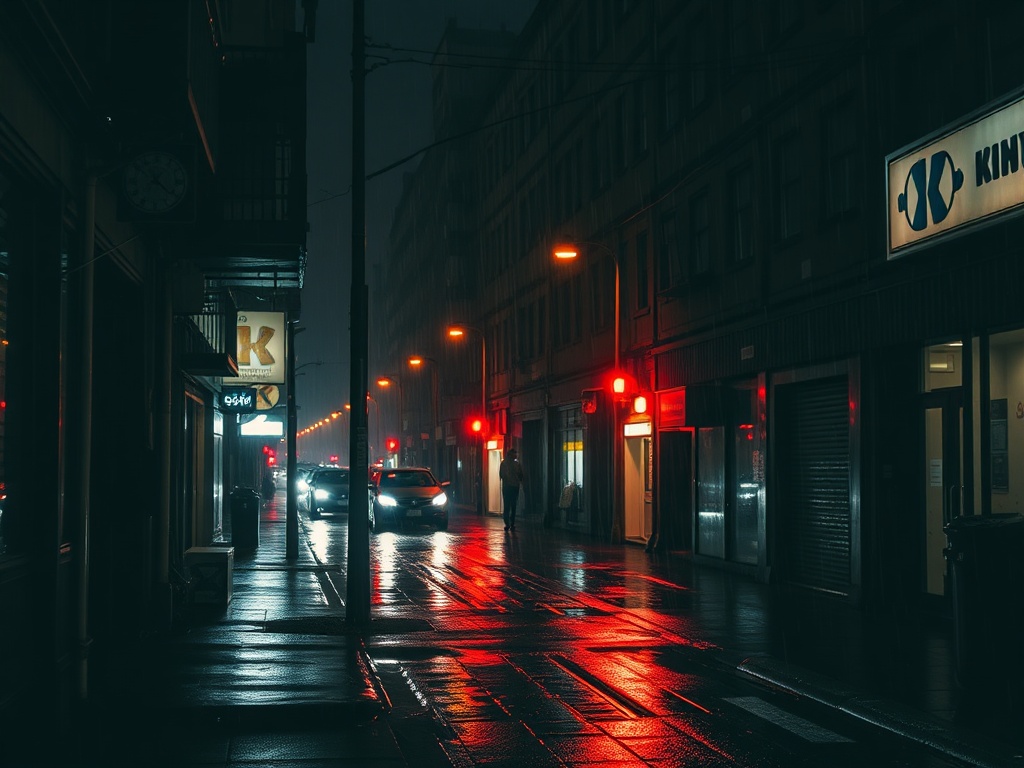
10. The Insider (1999)
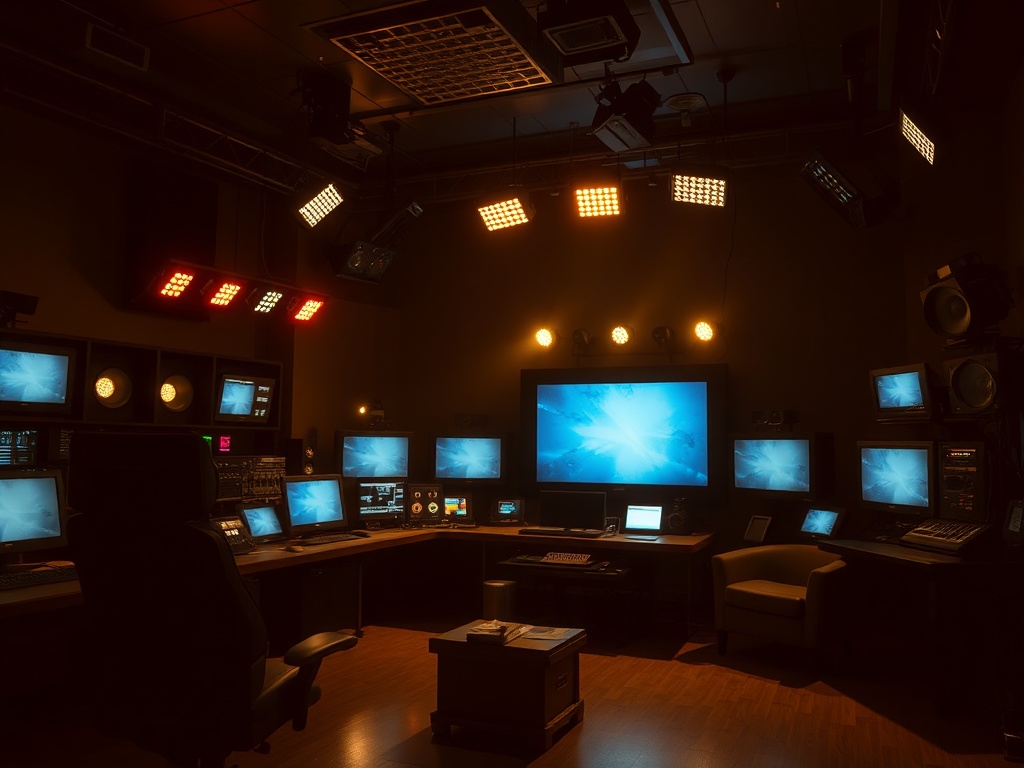
A thriller about… corporate whistleblowing. And it absolutely rips.
This is where editing and sound design do the heavy lifting. Conversations feel like action sequences. (Watch how the camera subtly pushes in during key moments—pressure without you noticing.)
Why This Kind of Movie Matters
Look, here’s the hard truth: the mid-budget thriller is where directors learn control. You don’t have infinite VFX. You don’t have four reshoots. You have a frame, a lens, a location, and a ticking clock.
That limitation? That’s where style is born.
These movies respect your time. They’re usually under two hours. They move. They trust performance and composition over noise. And most importantly—they’re built, not assembled.
We need these back. Not as nostalgia. As survival.
See you in the front row.