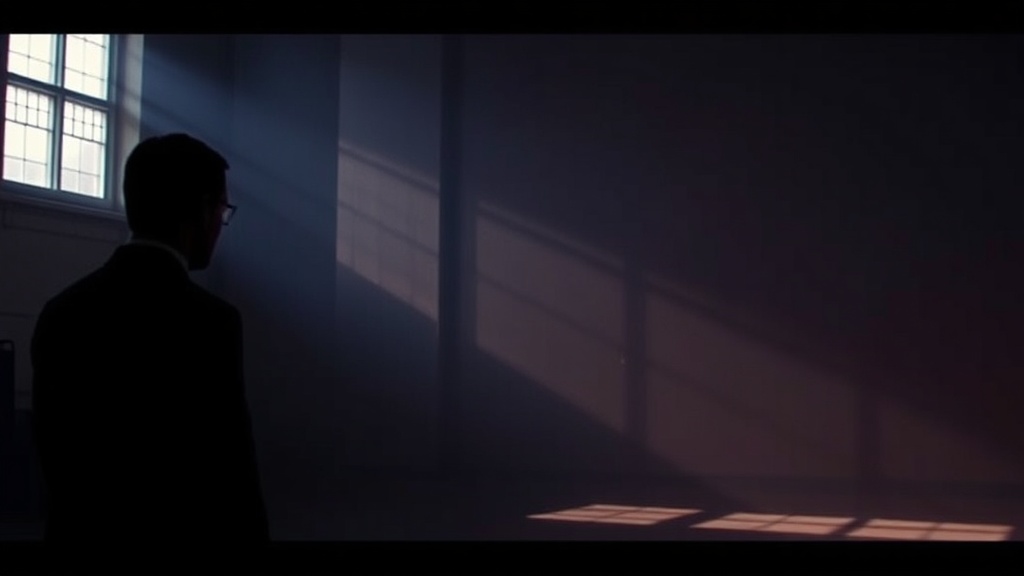
Constructing Depth Through Lighting and Shadow

What You'll Learn About Visual Depth
This post breaks down the mechanics of three-dimensional lighting and how filmmakers use light to create depth on a flat screen. You'll learn how to identify the difference between flat lighting and high-contrast setups, how to spot the use of practical light sources, and how to recognize when a cinematographer is using shadow to hide or reveal character truth. Understanding these techniques changes how you watch a movie—it turns a passive viewing experience into an active study of light and shadow.
When you're sitting in a dark theater, you aren't just looking at a screen; you're looking at a controlled environment where every photon has a job to do. In my days working the booth, I used to watch the light levels on the screen to ensure the digital projector wasn't clipping the whites or crushing the blacks. It wasn't just about brightness—it was about the texture of the image. A scene that looks "flat" isn't just boring; it's often a sign that the lighting lacks the sculptural quality needed to separate the subject from the background.
How Do Filmmakers Create Depth with Three-Point Lighting?
The most fundamental way to create a sense of three-dimensionality is through the classic three-point lighting setup. This isn't some ancient secret, but it's the foundation of almost every professional-looking shot you've ever seen. It involves three distinct light sources: the key light, the fill light, and the back light (often called a rim light or hair light).
The key light is the heavy lifter. It's the primary source that defines the shape of the actor's face. If the key light is too strong or positioned too directly, the face looks flat and two-dimensional. Then you have the fill light. This is a softer, much weaker light used to fill in the shadows created by the key. The ratio between the key and the fill is what determines the mood. If the fill is very low, you get high-contrast, dramatic shadows—think of the gritty, hard-edged shadows in a classic noir. If the fill is high, the scene feels more naturalistic and less intense.
Finally, the back light is the unsung hero. It hits the actor from behind, creating a thin line of light around their shoulders or hair. This is what separates them from the background. Without that rim of light, an actor can easily blend into a dark backdrop, making the shot feel like a flat cutout rather than a person standing in a real space. You can see this technique perfected in the works of masters like Roger Deakins. If you want to study the technical specifications of how light interacts with digital sensors, the FilmPack resources are a great place to start for technical depth.
Can You Spot the Difference Between High-Key and Low-Key Lighting?
You'll notice two main styles when watching cinema: high-key and low-key. These aren't just about how bright the scene is; they're about the emotional weight of the light. High-key lighting is characterized by a low contrast ratio. The shadows are soft or non-existent, and the scene feels bright, open, and often optimistic. Think of sitcoms or many modern romantic comedies. It's a bright, flat look that keeps the energy light and the focus on clarity.
Low-key lighting, on the other hand, is the heavy hitter for drama, horror, and suspense. It uses a high contrast ratio to create deep, dark shadows. In these scenes, what you *don't* see is just as important as what you do see. The shadows become a tool for psychological tension. When a character is hiding in a corner of the frame, and the light is only hitting one side of their face, the filmmaker is telling you that this person is hiding something—either a secret or a darker side of their nature. This is the bread and butter of the thriller genre.
Practical Light Sources and Motivated Lighting
One of the coolest things to look for is "motivated lighting." This is when a cinematographer uses a light source that exists within the scene to justify the light on the actors. If a character is sitting at a desk with a single lamp, the light on their face should feel like it's coming specifically from that lamp. It might be a slightly stylized version, but it has to feel grounded in the reality of the room.
Look for the small details: the glow from a computer monitor, the flicker of a candle, or the harsh light coming through a window blind. These small sources add layers to the image. They create a sense of way-back and way-forward depth. A scene where everything is lit by a single, central source can feel artificial and stagey. But a scene where light bounces off a wooden table, hits a glass of water, and then illuminates a character's cheek? That's intentional storytelling. It creates a sense of a living, breathing world.
Why Does Shadow Play a Role in Character Development?
Shadows aren't just the absence of light; they are a narrative tool. A character standing in full light is often perceived as honest, vulnerable, or exposed. A character whose eyes are obscured by shadow is often perceived as mysterious, dangerous, or morally ambiguous. This is a visual shorthand that audiences pick up on instinctively, even if they can't name it.
Think about the way a villain is often lit. You'll often see them in a low-key setup where the light is coming from below (an "under-lighting" or "monster lighting" technique). This distorts the natural shadows of the human face, making the features look uncanny and threatening. On the flip side, a hero in a moment of clarity might be bathed in a high-key, soft light to signal their purity or clarity of purpose. The way light hits a character can tell you more about their internal state than a page of dialogue ever could.
If you want to see how these concepts are applied in high-end production, check out the technical breakdowns over at IMDb, specifically the technical specs and cinematographers' credits. Understanding the tools of the trade helps you appreciate the sheer amount of labor that goes into making a scene look "natural." It's a massive, calculated effort to trick your eyes into seeing depth on a flat surface.
- Tip 1: Watch a scene twice. The first time, focus on the plot. The second time, ignore the dialogue and just watch how the light moves across the faces.
- Tip 2: Pay attention to the "rim light." If you can see a thin line of light on a character's shoulder, you're looking at a shot designed for depth.
- Tip 3: Notice the shadows. Ask yourself: Is the shadow hiding something, or is it just a byproduct of the light?