Dolby Vision vs HDR10+ vs HLG: Which HDR Format Wins in 2026 Home Theaters?

Ever wonder why the same movie looks dramatically different on your TV versus a friend’s? The culprit is HDR – but not all HDR is created equal. In 2026 the three big players – Dolby Vision, HDR10+ and HLG – are battling for supremacy in home theaters. Let’s break down the tech, the experience, and which format actually earns your hard‑earned dollars.
What are the core technical differences between Dolby Vision, HDR10+ and HLG?
All three aim to expand the dynamic range beyond SDR, but they take distinct paths:
- Dolby Vision – Uses dynamic metadata per scene or frame, allowing the display to adjust brightness and color on the fly. It supports up to 12‑bit color depth and a peak brightness of 10,000 nits (theoretically).
- HDR10+ – Also uses dynamic metadata, but it’s an open standard backed by Samsung and Amazon. It caps at 10‑bit color and 4,000 nits, making it a cheaper alternative to Dolby Vision.
- HLG (Hybrid Log‑Gamma) – Developed by the BBC and NHK for broadcast. It relies on a single static curve, meaning no per‑scene tweaks. It’s designed for live TV, so its peak brightness sits around 1,000 nits.
Why does dynamic metadata matter for the average cinephile?
Dynamic metadata lets the TV know exactly how bright a particular scene should be, preserving detail in both shadows and highlights. In practice, a Dolby Vision‑enabled film will show richer night‑time cityscapes and more nuanced skin tones than an HDR10+ or HLG version of the same cut.
Which format offers the best value for a DIY home theater?
Consider three factors: hardware cost, content availability, and future‑proofing.
- Hardware – Most 2026 4K TVs support Dolby Vision and HDR10+. HLG is usually a firmware add‑on for broadcast‑tuned sets. If you’re buying a new OLED or QLED, you’ll get Dolby Vision out of the box.
- Content – Streaming giants like Netflix, Disney+ and Apple TV+ label most premium titles with Dolby Vision. HDR10+ is common on Amazon Prime Video. HLG appears mainly on live sports and news broadcasts.
- Future‑proofing – Dolby Vision’s 12‑bit roadmap means it will stay ahead of the curve as displays push higher brightness. HDR10+ is catching up, but its open‑source nature can lead to inconsistent implementation across brands.
What does this mean for your speaker setup?
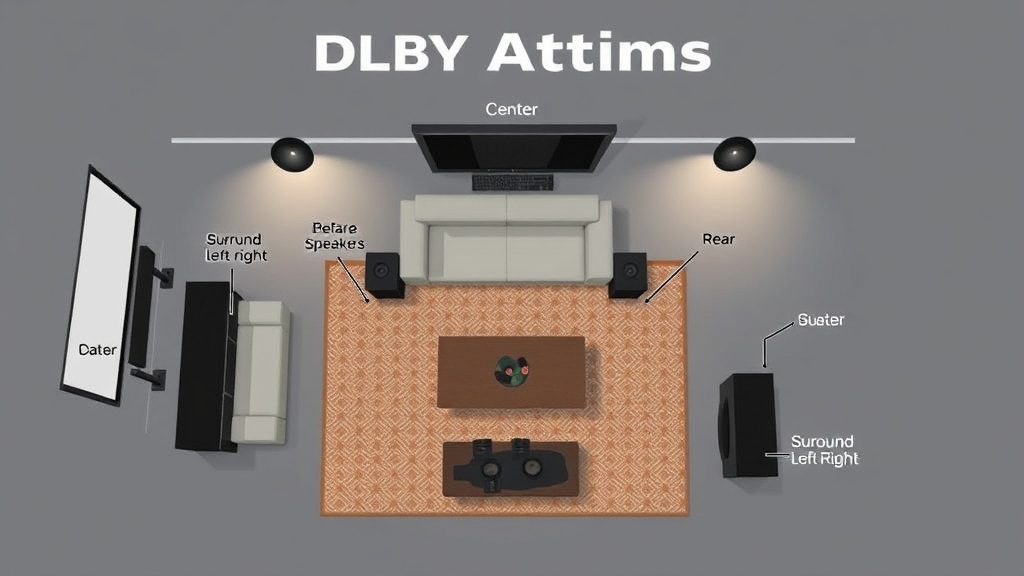
While HDR is a visual tech, the picture’s brightness impacts perceived audio clarity. A brighter image reduces eye strain, letting you focus on the mix. If you’ve already tuned your room with a Dolby Atmos speaker diagram, pairing it with Dolby Vision gives the most cohesive cinematic experience.
Should you upgrade your existing 4K disc collection?
Most 4K Ultra HD Blu‑rays ship with HDR10, but a growing subset includes Dolby Vision tracks. If you own a 4K disc player that supports Dolby Vision, swapping out the HDR10‑only discs for the Vision‑enabled versions will noticeably improve contrast and colour fidelity.
What about the loudness lie?
Remember our earlier piece on why theaters sound louder than home setups? The loudness lie still applies – a brighter picture lets you hear subtler audio cues without cranking the volume.
Takeaway: Which HDR format should you bet on?
If you’re building a serious home theater in 2026, go for Dolby Vision. It offers the most dynamic range, the widest content library, and the best future‑proofing. HDR10+ is a solid second‑place for budget‑conscious setups, while HLG remains niche for live broadcast fans.