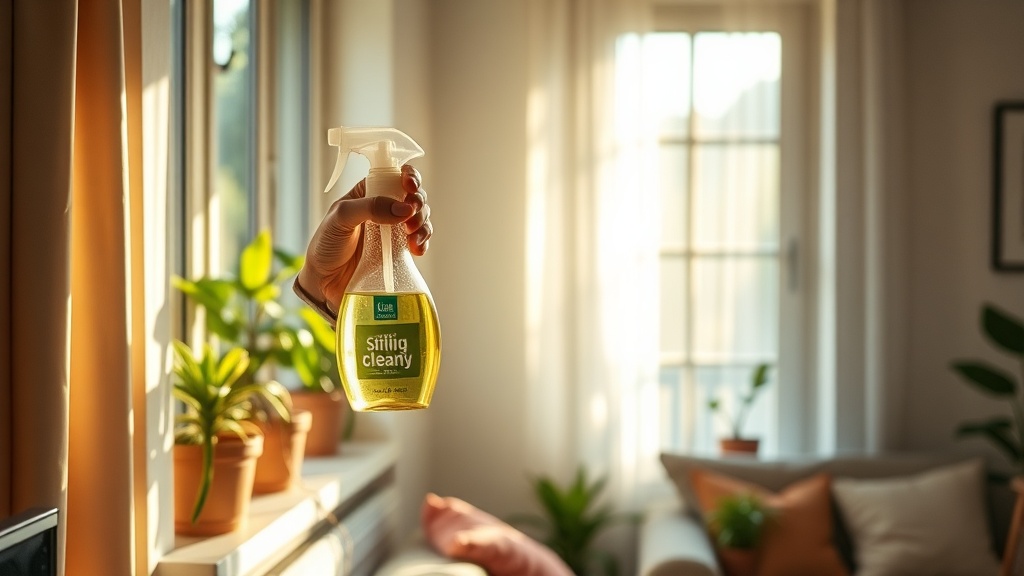
Eco-Friendly Spring Cleaning Hacks 2026: Freshen Your Home

Hook: Ever feel like spring cleaning is a marathon of chemicals and waste? What if you could freshen every nook of your home with a few simple, wallet‑friendly swaps that are kind to the planet?
Context: As we roll into 2026, eco‑conscious living isn’t just a trend—it’s a lifestyle. Your home is the first stage where you can practice greener habits, and a thorough spring clean is the perfect excuse to upgrade your routine.
What Simple Swaps Cut Waste?
Replacing disposable wipes and aerosol sprays with reusable cloths and refillable bottles instantly slashes landfill trash. Pro tip: Keep a small basket of microfiber cloths in each bathroom—these grab dust without chemicals and wash clean in the machine.
Related: Embracing Green: Sustainable Spring Cleaning Tips for a Fresh Start
How Can I Make My Own All‑Purpose Cleaner?
A classic DIY mix works wonders:
- 1 cup distilled water
- 1 cup white vinegar
- 10‑15 drops citrus essential oil (for scent and extra grease‑cutting power)
Combine in a spray bottle, shake, and you’ve got a biodegradable cleaner safe for countertops, glass, and tiles. The EPA notes that vinegar‑based solutions are effective against most household grime while avoiding harsh solvents.
Source: EPA – Green Cleaning Guide
Which Plants Improve Indoor Air Quality?
Certain houseplants act as natural air filters. Spider plant, snake plant, and peace lily absorb volatile organic compounds (VOCs) and release oxygen. A Harvard study found that a modest collection of these plants can lower indoor particulate matter by up to 25%.
Source: Harvard T.H. Chan School of Public Health – Indoor Air Quality
What Energy‑Efficient Tools Save Power?
Modern vacuum cleaners with HEPA filters and ENERGY STAR certification use up to 40% less electricity than older models. When you’re vacuuming, set the machine to its highest suction on carpeted areas and lower it for hardwood to conserve energy.
Related: Spring Cleaning 2026: Eco‑Friendly Tips for a Fresh Start
How Do I Keep My Home Fresh Without Harsh Chemicals?
Open windows for cross‑ventilation during cleaning; fresh air dilutes lingering odors. For stubborn smells, sprinkle baking soda on carpets, let sit 15 minutes, then vacuum. The result? A neutral, chemical‑free scent that feels like a clean slate.
Takeaway
Spring cleaning in 2026 can be a showcase of eco‑smart habits: swap disposables, brew your own cleaners, invite air‑purifying plants, choose ENERGY STAR tools, and ventilate naturally. Implement at least two of these hacks this weekend and watch your home—and the planet—breathe easier.
Related Reading
- Embracing Green: Sustainable Spring Cleaning Tips for a Fresh Start — deeper dive into sustainable product choices.
- Spring Cleaning 2026: Eco‑Friendly Tips for a Fresh Start — the original guide we’re building on.
- Why 35mm Film Is Making a Comeback in 2026—and How to Watch It — because a clean home is the best backdrop for a classic movie night.
<meta.faqs>
[
{"question": "What are the best DIY eco-friendly cleaning solutions?", "answer": "A vinegar‑water mix with a few drops of essential oil works for most surfaces, while a baking‑soda paste tackles tough grime without chemicals."},
{"question": "How do plants improve indoor air quality?", "answer": "Plants like spider plant, snake plant, and peace lily absorb VOCs and release oxygen, reducing pollutants by up to 25% according to Harvard research."},
{"question": "Which cleaning tools are energy‑efficient for spring cleaning?", "answer": "Choose vacuum cleaners and steam mops with the ENERGY STAR label; they use up to 40% less power while maintaining performance."}
]
</meta.faqs>