How to Actually Watch a Movie (And Not Miss What Makes It Work)

Vibe Check: You ever finish a movie and feel… nothing? Like you just spent two hours staring at light and sound and somehow it never clicked? Yeah. That’s not always the movie’s fault. Sometimes we’re just watching wrong.
Look, nobody teaches you how to watch a movie. We’re handed a remote, a couch, and a scrolling algorithm that feels like a slot machine. But film is built—shot by shot, choice by choice—and if you know what to look for, suddenly everything opens up. The lighting hits harder. The performances land deeper. Even the “bad” movies start revealing what went wrong.
This is your crash course. No film degree required. Just eyes, ears, and a little intention.
Step 1: Set the Room Like It Actually Matters
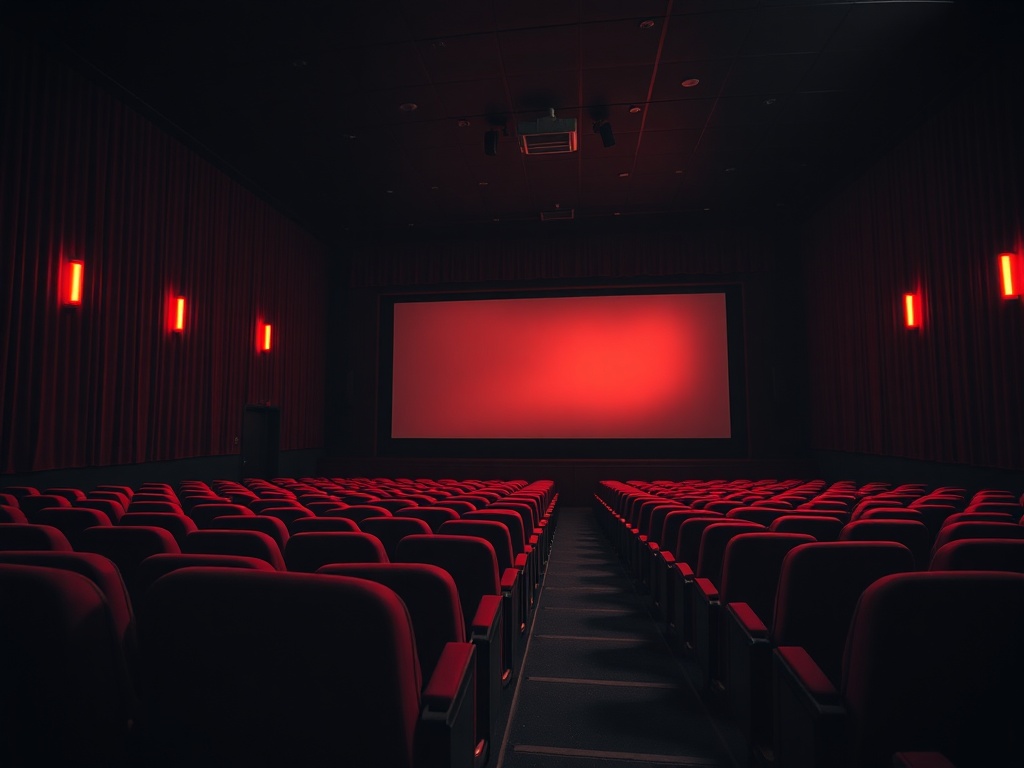
Before we even press play, we need to fix the environment. Movies are designed for a dark room. Not a “kind of dim while your phone buzzes every 30 seconds” room. A real one.
Kill the overhead lights. Close the blinds. Sit facing the screen—not sideways like you’re half-watching, half-living your life. Sound obvious? It’s not. Most people are watching movies like background noise.
(And yes, if your TV is blasting motion smoothing—aka the “soap opera effect”—turn that off immediately. We’re not watching a daytime rerun from 2003.)
This step alone fixes like 30% of the “why does this movie feel flat?” problem.
Step 2: Start With the Vibe, Not the Plot
Here’s where most people go wrong: they watch movies like they’re trying to solve a puzzle. “What’s happening?” “Who’s that guy?” “Wait, what’s the twist?”
Forget all that for a second.
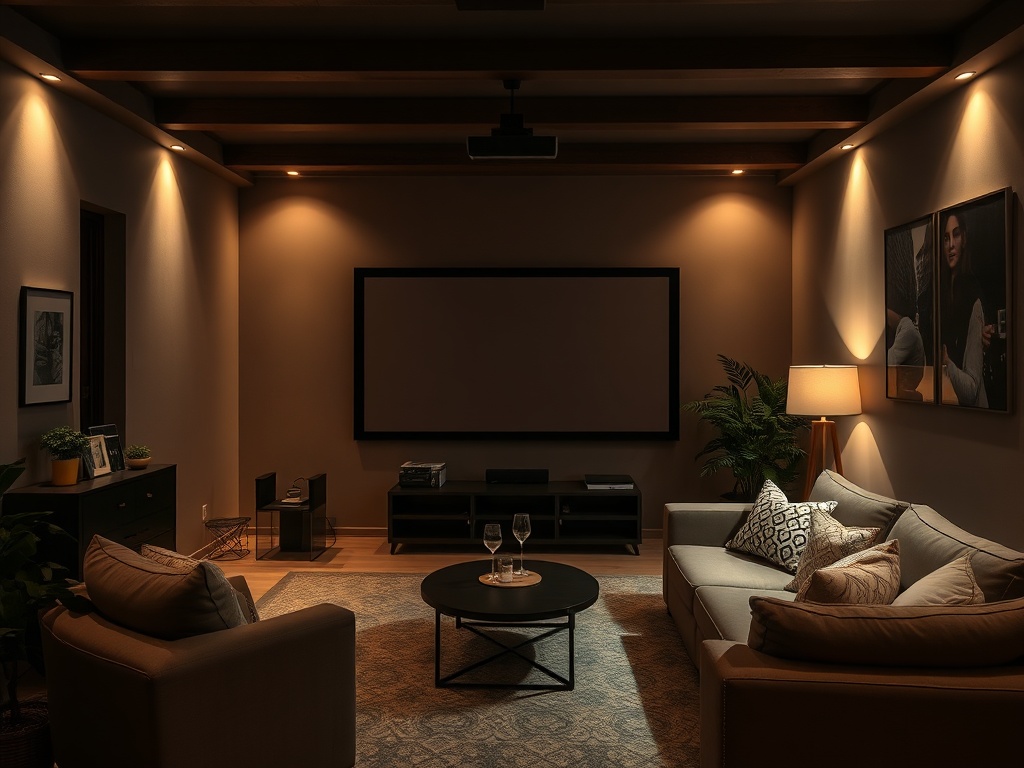
Ask yourself: what does this movie feel like?
Is it tense? Loose? Dreamy? Cold? The vibe is the foundation. Everything else—plot, dialogue, even character—sits on top of that.
You can feel when a movie is confident in its tone. You can also feel when it’s scrambling. That gut reaction? Trust it. That’s your entry point.

Step 3: Watch the Frame, Not Just the Faces
Alright, this is where we level up.
Most viewers lock onto faces. Which makes sense—humans are wired that way. But movies are built out of frames. Composition matters.
Start noticing:
- Where are people placed in the frame?
- Is there empty space around them?
- Are we close (intimate) or far (detached)?
If a character is shoved into the corner with a ton of empty space? That’s isolation. If two people are centered and balanced? That’s harmony—or at least the illusion of it.
(Check the aspect ratio too—if it’s wide, like 2.39:1, the movie is begging you to look at the edges. Don’t ignore them.)
The frame is doing storytelling work even when nobody’s talking.
Step 4: Pay Attention to Light Like It’s a Character
Lighting is the secret sauce. It’s also the thing modern blockbusters keep messing up.
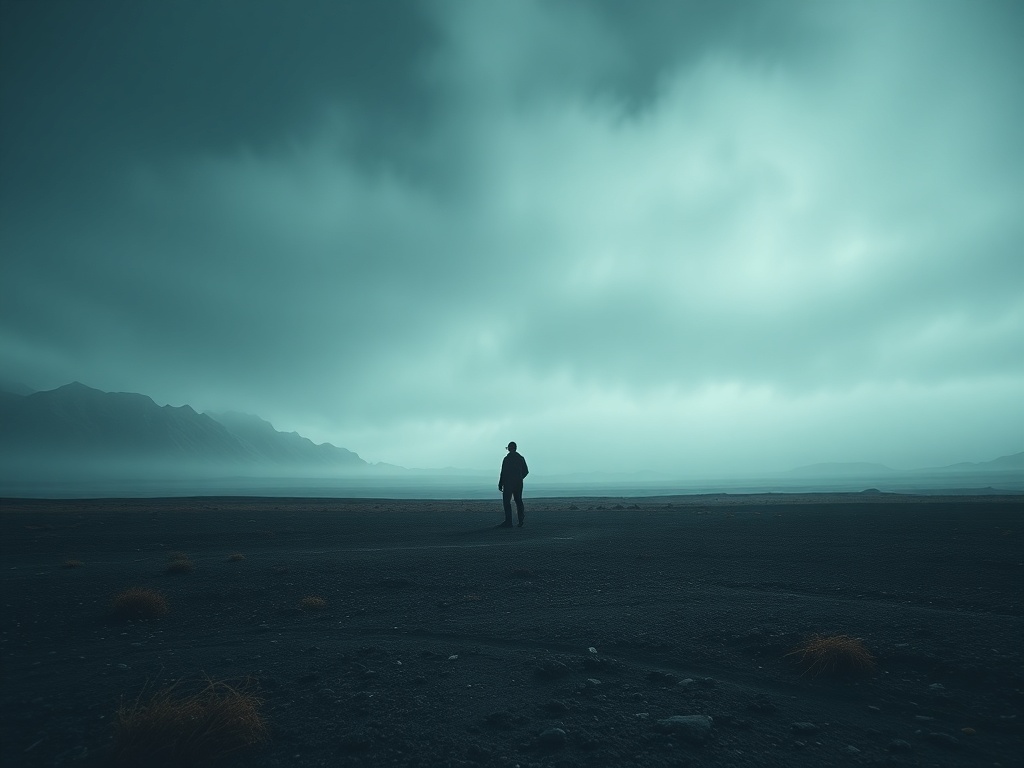
Good lighting tells you how to feel before the actor even moves. Hard shadows? Tension. Soft glow? Safety. High contrast? Conflict. Flat lighting? Honestly… laziness.
Look at where the light is coming from. Is it motivated (like a lamp, a window), or does it feel like a giant invisible flashlight?
When lighting is intentional, scenes feel grounded. When it’s not, everything starts to look like a Zoom call from 2020.
Step 5: Listen to the Sound (Not Just the Dialogue)
Here’s a hot take: half the movie is what you hear.
We’re not just talking about dialogue. Listen for:
- Background noise (wind, traffic, silence)
- Score (when it comes in, when it disappears)
- Sound transitions between scenes
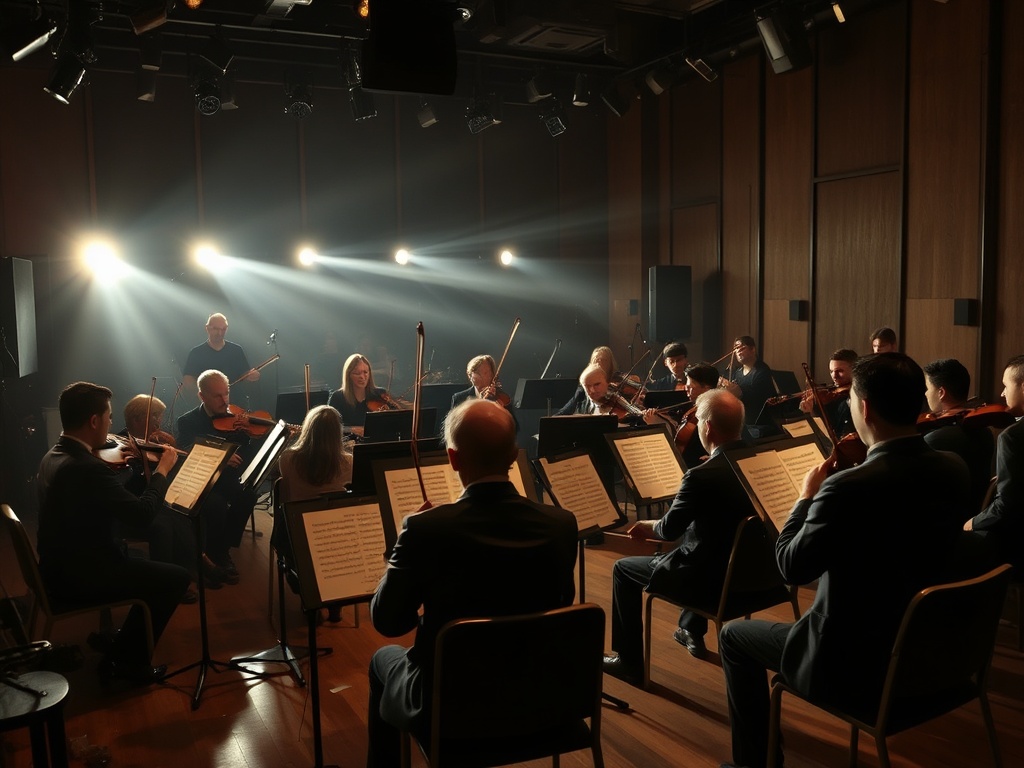
The score isn’t just decoration—it’s emotional architecture. And silence? Silence is a weapon.
If a scene feels flat, ask yourself: is the sound design doing any work, or is it just… there?
Step 6: Notice Movement—The Camera and the Actors
Blocking (where actors move) and camera movement are the invisible choreography of a scene.
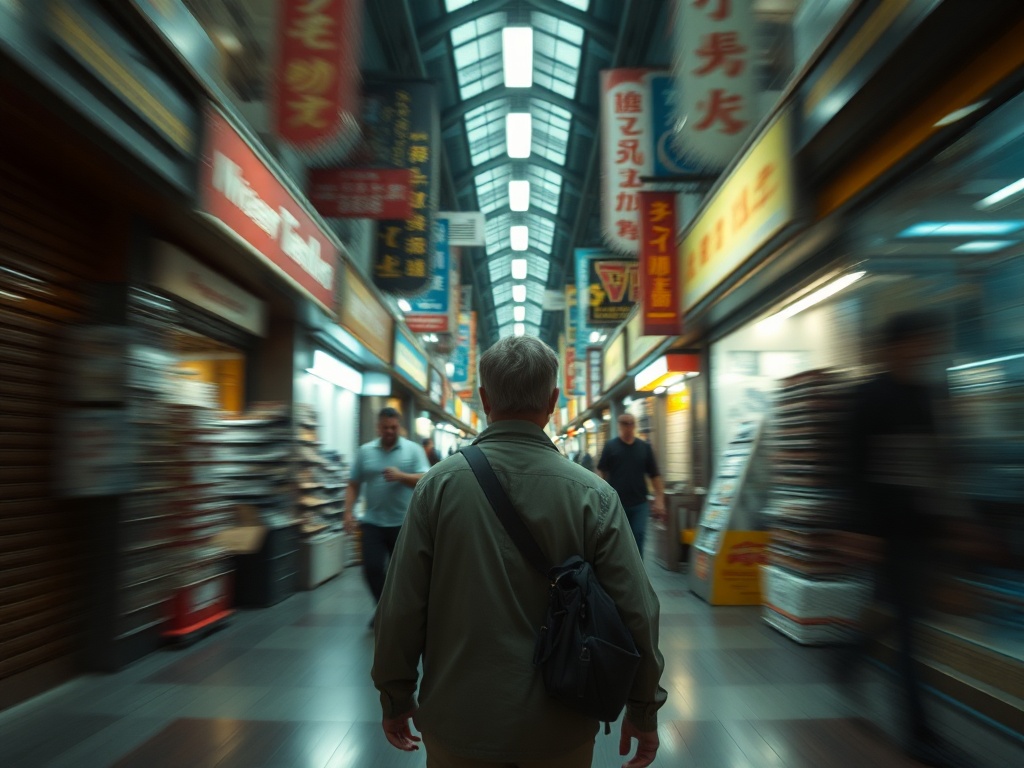
If the camera is locked off and actors are barely moving, the scene might feel stiff. If the camera glides, tracks, or pushes in, it’s guiding your attention.
Ask yourself:
- Is the camera moving for a reason?
- Are characters crossing the frame or stuck in place?
A well-blocked scene feels alive. A poorly blocked one feels like people waiting for their turn to speak.
Step 7: Respect the Credits (Seriously)
Look, if you talk during the credits, you’re missing the ending. Full stop.
The score swelling, the emotional release—that’s the exhale after the scream. It’s part of the experience.
Plus, this is where you actually see who made the thing. Editors, cinematographers, composers—the people who shaped what you just felt.
Give them two minutes. It matters.
Step 8: Do a Quick Post-Movie Autopsy
Once it’s over, don’t immediately grab your phone. Sit with it for a minute.
Ask yourself:
- What stuck with me visually?
- Did the tone stay consistent?
- Did anything feel “off”? (Usually it’s lighting, pacing, or blocking.)
You don’t need a perfect answer. Just noticing patterns sharpens your instincts for next time.
This is how you go from “that was fine” to actually understanding why it worked—or didn’t.
The Real Shift: You Start Seeing the Craft
Here’s the thing: once you start watching this way, you can’t unsee it.
You’ll notice when a $200 million movie looks weirdly flat. You’ll catch when a tiny indie nails the lighting and suddenly feels bigger than it is. You’ll start appreciating the stuff that never gets mentioned in trailers.
And yeah, you might get a little annoying pointing out aspect ratios to your friends. That’s part of the deal.
But more importantly—you’ll actually feel movies again. Not just consume them.
That’s the whole point.
See you in the front row.
Steps
- 1
Set the Room Like It Actually Matters
- 2
Start With the Vibe, Not the Plot
- 3
Watch the Frame, Not Just the Faces
- 4
Pay Attention to Light Like It’s a Character
- 5
Listen to the Sound (Not Just the Dialogue)
- 6
Notice Movement—The Camera and the Actors
- 7
Respect the Credits (Seriously)
- 8
Do a Quick Post-Movie Autopsy