How to Actually Watch a Movie Like a Cinephile (Without Becoming a Snob)

Vibe Check: You know that feeling when a movie just works—but you can’t explain why? Like something clicked in your chest and your brain at the same time. That’s not magic. That’s craft. And once you start seeing it, you can’t unsee it.
Look, nobody’s asking you to become the person who pauses a movie every 12 seconds to talk about lenses. That guy gets uninvited. What we’re doing here is different. We’re tuning your eye so you can actually see what’s happening on screen—and enjoy it more because of it.
Step 1: Kill the Distractions (Respect the Room)
First rule: if your phone lights up, the movie loses. It’s that simple.
Movies are designed to take over your full attention. That’s the deal. The lighting, the sound mix, the pacing—it all assumes you’re locked in. The second you start half-watching, you’re basically watching a different, worse version of the film.
Turn the lights down. Put the phone face-down across the room. Give the movie a fighting chance.
Step 2: Do the 30-Second Vibe Check
Before we get technical, we go gut.
Ask yourself: what does this movie feel like in the first five minutes? Is it tense? Loose? Cold? Warm? Are we floating or locked down?
This matters because everything else—the camera, the lighting, the sound—is working to support that feeling.
If a thriller feels sleepy, something’s off. If a comedy feels stiff, something’s broken. Your instincts are usually right.
Step 3: Watch the Frame, Not Just the Actors
This is where most people miss the movie entirely.
We’re trained to look at faces. Totally fair. But the real storytelling? It’s happening everywhere else in the frame.
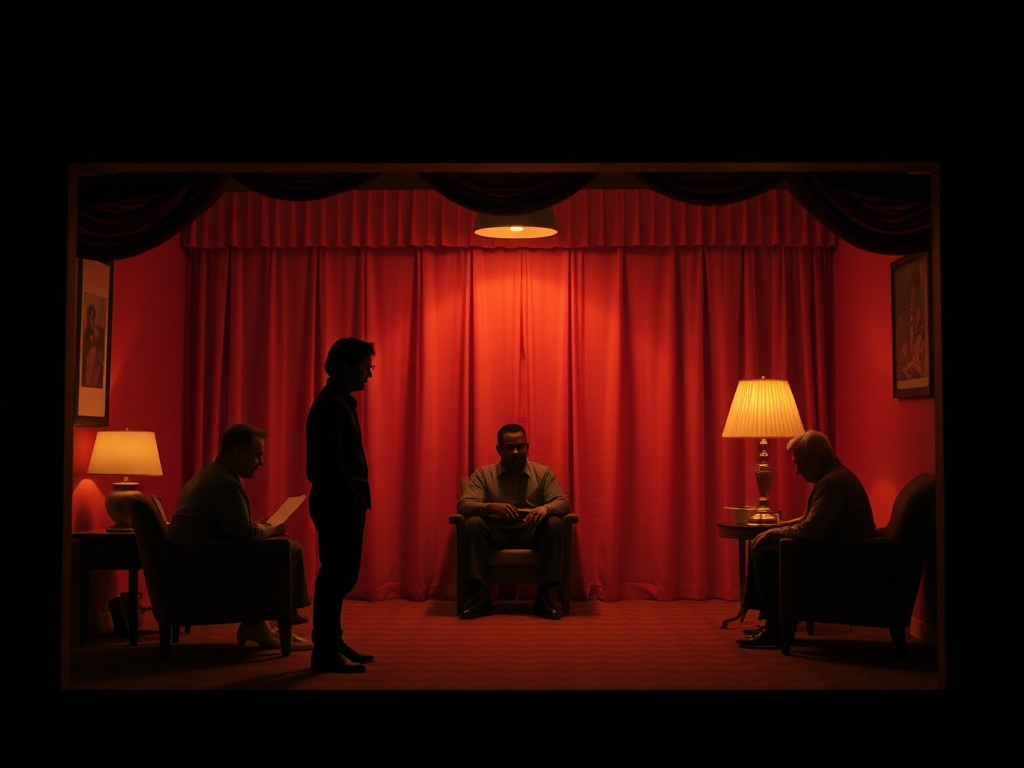
Where are characters placed? Are they centered, or shoved to the edge? Is there empty space around them? That’s not random—that’s emotion.
Big empty space = isolation. Tight framing = pressure. Symmetry = control (or someone trying to pretend they have it).
(Check that composition when a character feels small—there’s usually a reason.)
Step 4: Pay Attention to Light (The Invisible MVP)
Lighting is the thing you notice when it’s bad—but it’s doing all the heavy lifting when it’s good.
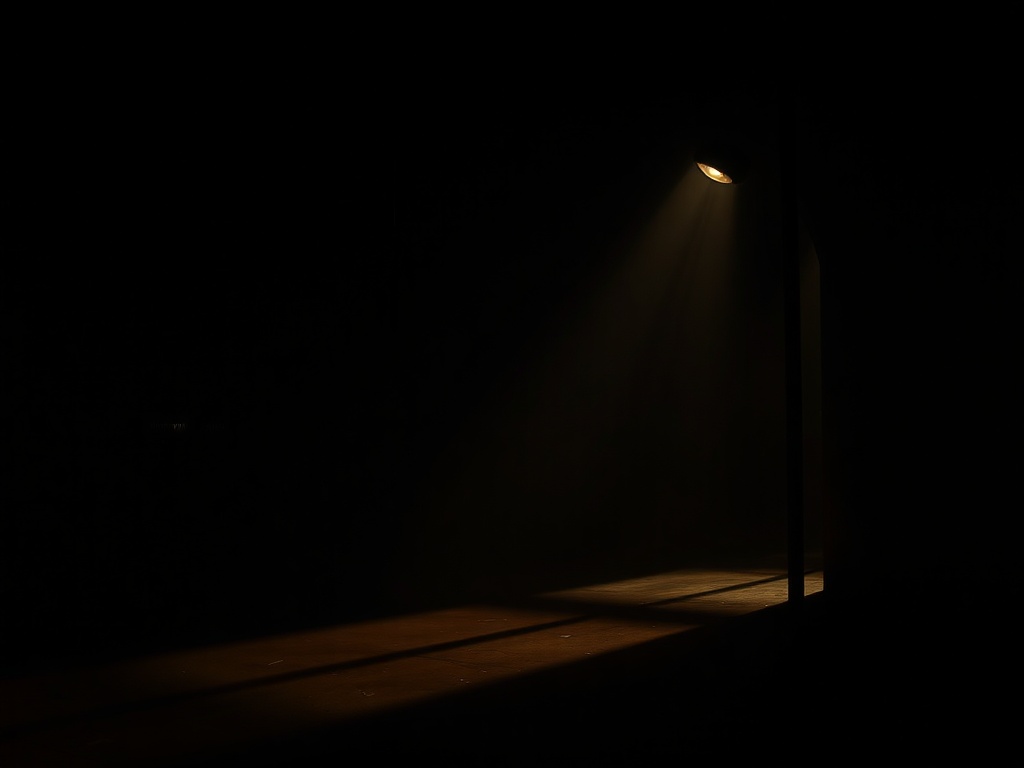
Ask yourself: where is the light coming from? Is it natural (windows, lamps) or stylized (hard shadows, dramatic contrast)?
A well-lit scene tells you how to feel before a single line is spoken.
Look, if everything is flat and evenly lit, it’s probably going to feel like a TV commercial. If there’s shape—shadows, contrast, texture—that’s where the good stuff lives.
Step 5: Listen Like It Matters (Because It Does)
We need to talk about sound.
Most people treat sound like background noise. Huge mistake. Sound is half the movie.
Notice the score. When does it come in? When does it drop out? Silence is a weapon.
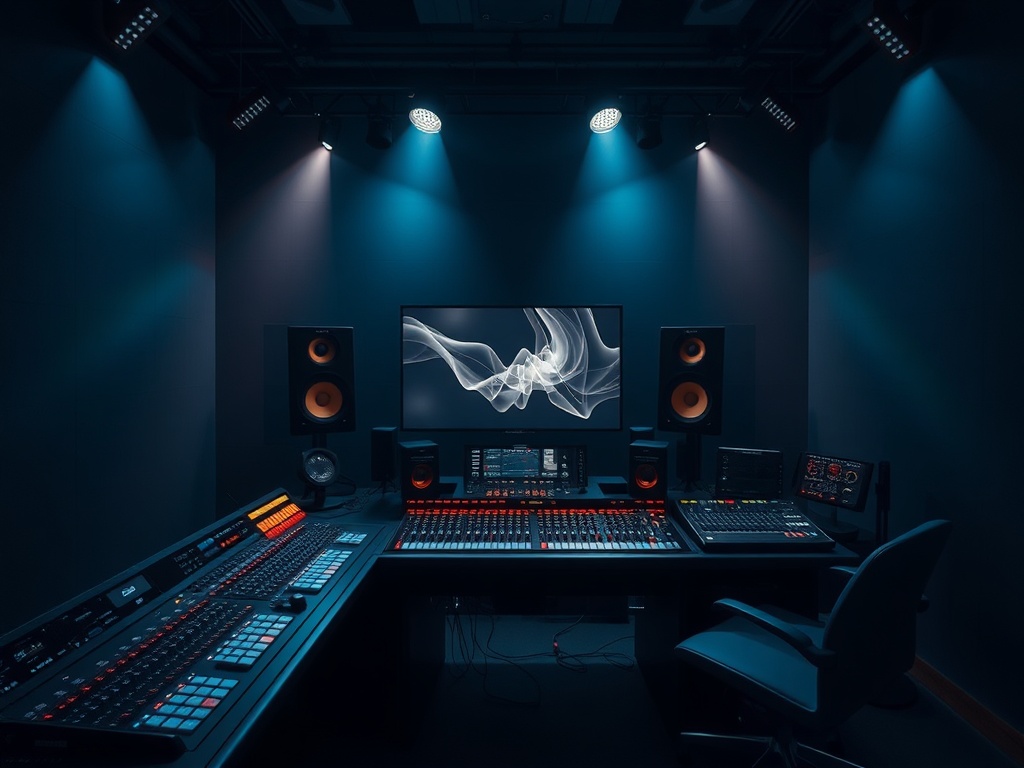
Also—listen for texture. Footsteps, distant traffic, a hum in the background. That’s world-building. That’s immersion.
If the sound design is working, you feel it in your body before you consciously register it.
Step 6: Track the Camera Movement
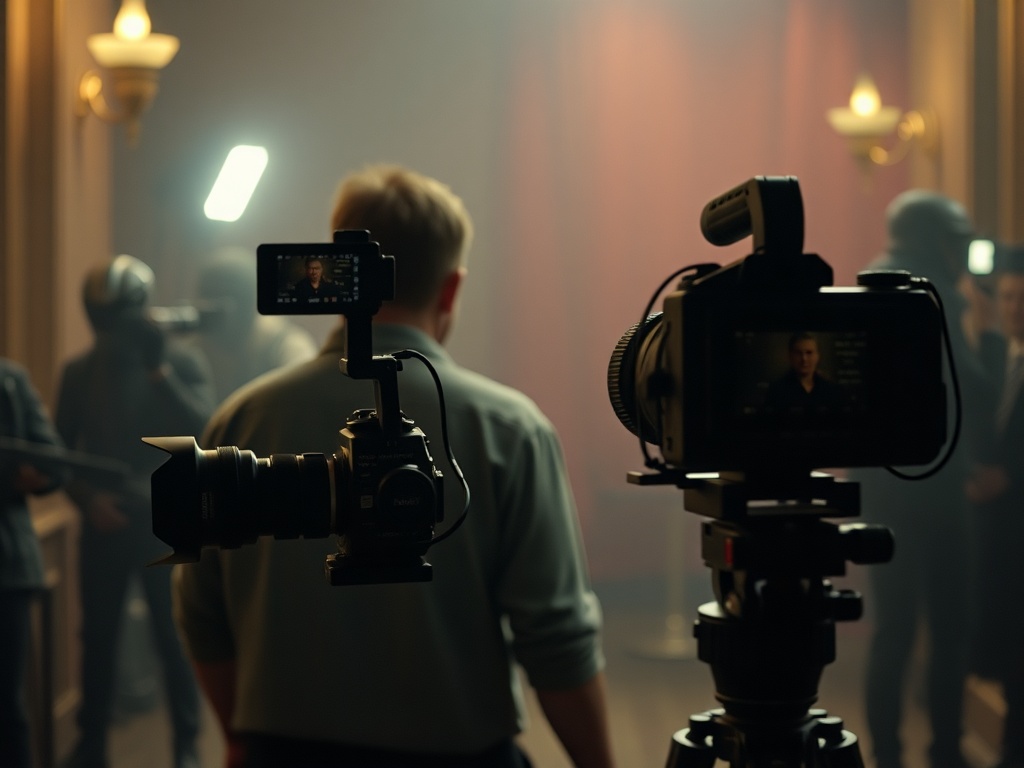
The camera is not just recording. It’s telling you how to feel.
Is it locked off? That creates stability. Is it handheld? Now we’re nervous. Is it slowly pushing in? That’s tension building.
A great camera move feels invisible—but it’s guiding your emotions the whole time.
(When you feel your heart rate pick up, check what the camera’s doing. It’s rarely a coincidence.)
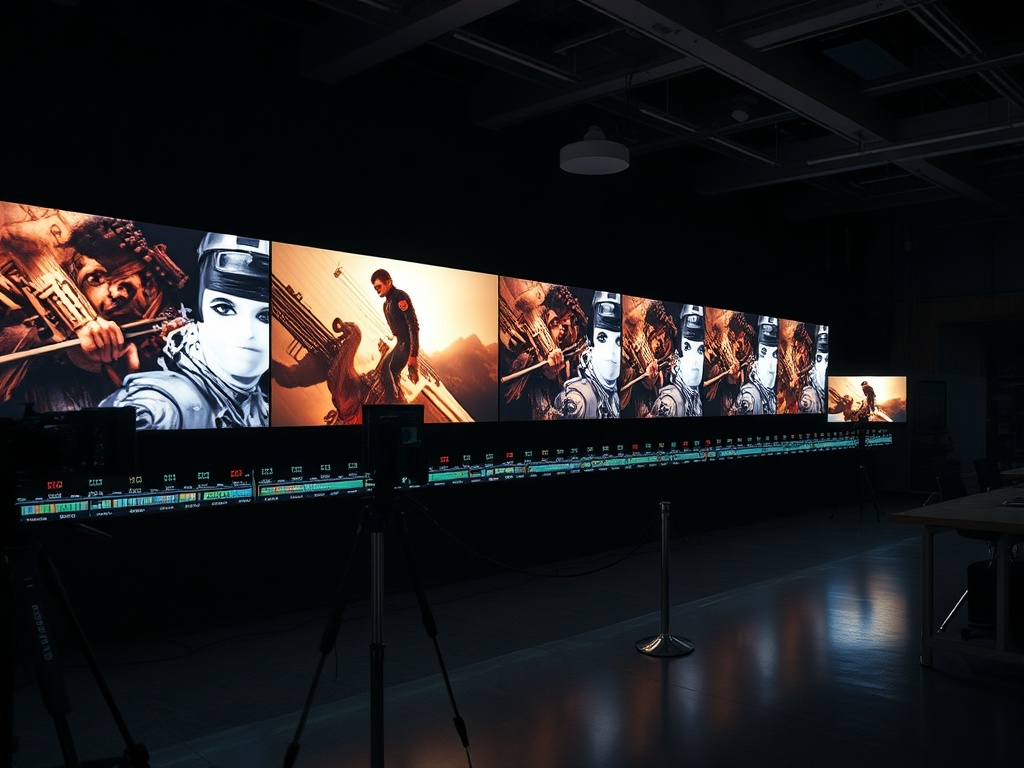
Step 7: Notice the Rhythm (Editing Is Everything)
Editing is the heartbeat of a movie.
Fast cuts create urgency. Long takes create immersion. A sudden pause? That’s the movie holding its breath.
Bad editing feels like confusion. Good editing feels like inevitability.
If a scene drags, it’s usually not the actors—it’s the rhythm.
Step 8: Respect the Ending (Yes, Including Credits)
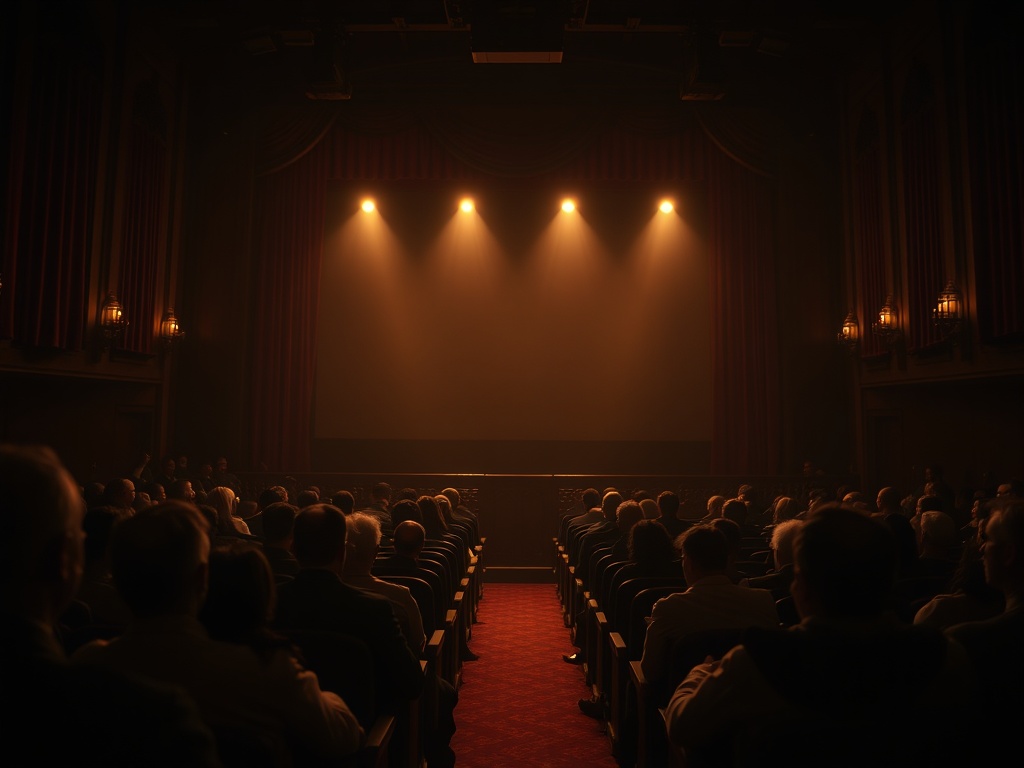
We need to fix a bad habit: people bailing the second the screen fades to black.
The ending isn’t just the last scene. It’s the aftertaste. The score, the pacing, the emotional exhale—it’s all part of the experience.
Stay for the credits. Let the movie land.
If you’re already scrolling, you just cut the final note off the song.
Step 9: Talk About It (This Is the Whole Point)
Movies get better when we talk about them.
Not in a “let me explain the symbolism” way. Just—what worked? What didn’t? Why did that one scene stick with you?
You’ll start connecting dots. You’ll notice patterns. You’ll realize that the stuff you liked had intention behind it.
And suddenly, you’re not just watching movies—you’re reading them.

Step 10: Don’t Become That Guy
Final rule: don’t weaponize this.
This isn’t about proving you’re smarter than the movie. It’s about appreciating the work that went into it.
You can love a messy action movie and still notice the lighting is doing something interesting. You can enjoy a dumb comedy and respect the timing.
Cinephilia isn’t about taste—it’s about attention.

The Payoff: Why This Actually Changes Everything
Here’s what happens when you start watching this way:
- You stop wasting time on movies that feel “off” but you couldn’t explain why.
- You start appreciating movies you might have written off before.
- You notice when something is really working—and it hits harder.
Look, we’re not trying to turn you into a critic. We’re just sharpening your eye so the next time a movie nails it, you feel it on a deeper level.
That’s the whole game.
See you in the front row.
Steps
- 1
Kill the Distractions
- 2
Do the Vibe Check
- 3
Watch the Frame
- 4
Pay Attention to Light
- 5
Listen to Sound
- 6
Track Camera Movement
- 7
Notice Editing Rhythm
- 8
Respect the Ending
- 9
Talk About It
- 10
Don’t Become That Guy