How to Actually Watch Movies Like a Cinephile (Without Becoming a Snob)

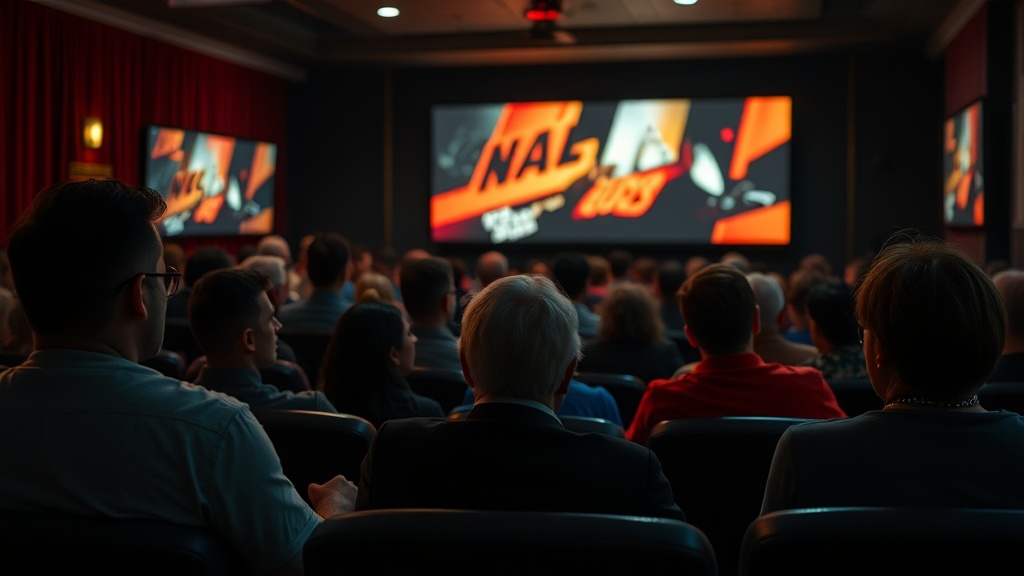
Vibe Check: You ever finish a movie and feel… nothing? Like it just slid past your eyes? Yeah. That’s not you—that’s how most of us were trained to watch movies now. Half-distracted, half-committed, treating the frame like background noise. But here’s the thing: when you dial in—even just a little—the whole experience cracks open. Suddenly you’re seeing choices. Feeling rhythm. Catching intention.
Look, this isn’t about becoming “the film guy” who ruins movie night. It’s about getting more out of the same two hours you’re already spending. Let’s rewire how we watch.
Step 1: Kill the Distractions (Yes, All of Them)
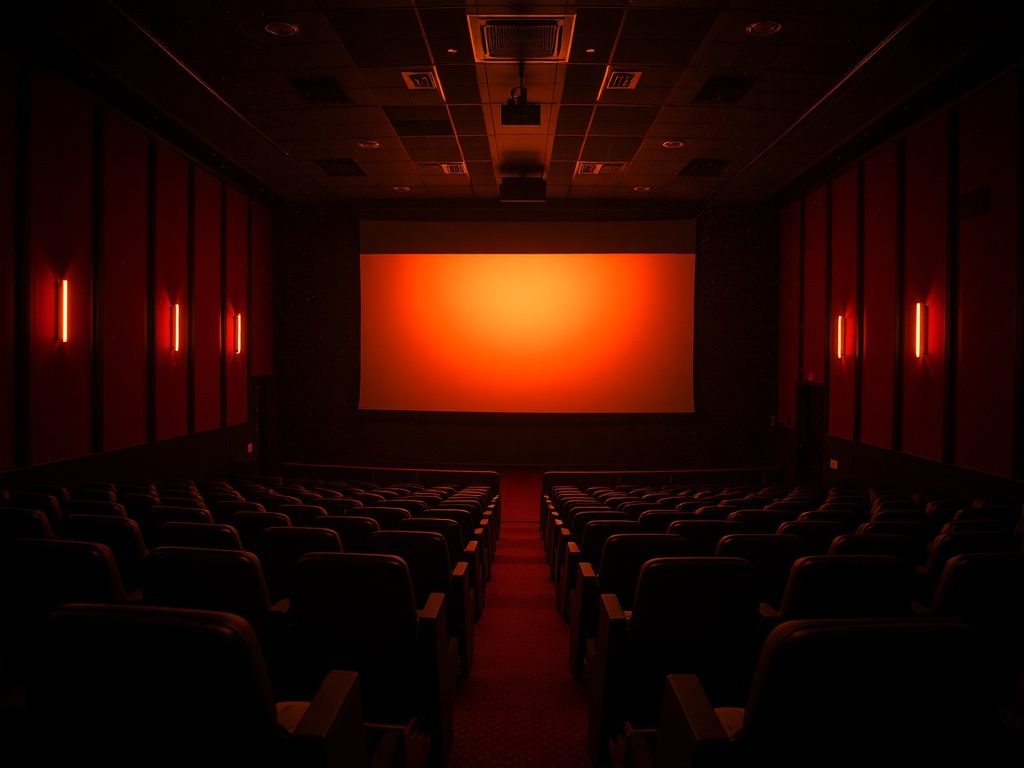
I know, obvious. But we’re not talking “phone face down.” We’re talking phone in another room. Notifications off. Lights down. This is about giving the movie a fighting chance.
Movies are built on attention. A slow push-in shot doesn’t land if you’re checking a text. A sound cue doesn’t register if your brain is split in half. You don’t need a perfect theater setup—but you do need commitment.
Try this: Watch the first 20 minutes like it’s sacred. No interruptions. If the movie earns you, great. If not, at least you gave it a fair shot.
Step 2: Start With a Vibe Check
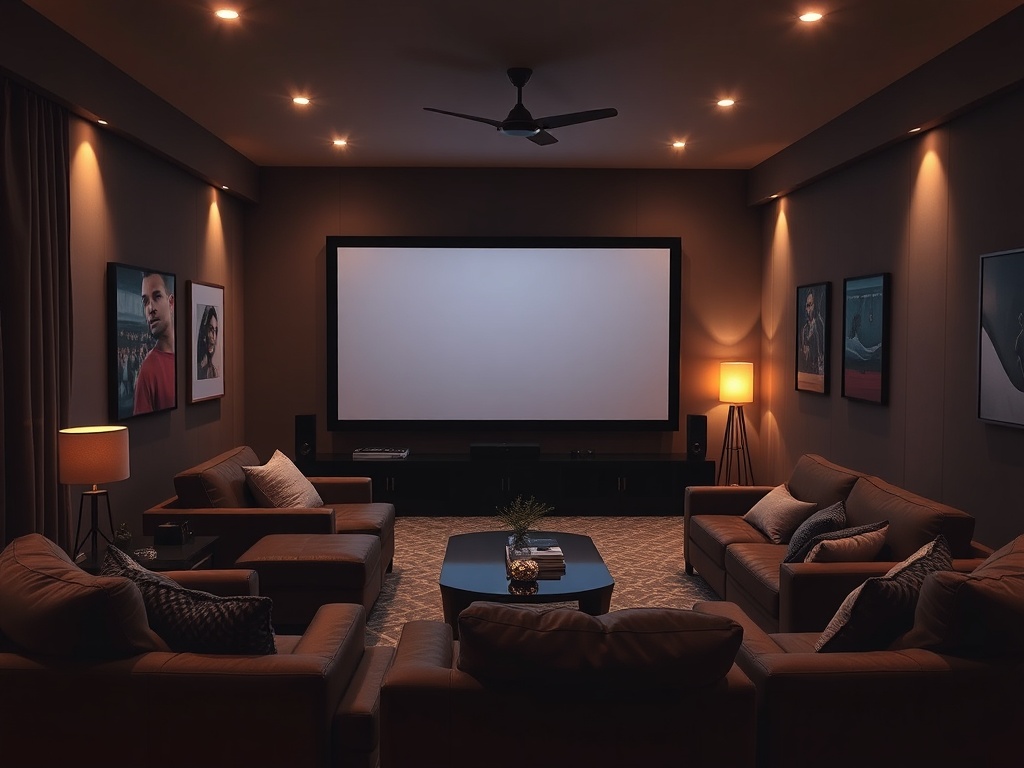
Before you think, analyze, or judge—just feel it. What’s the movie doing to you in the first 10 minutes?
- Is it tense?
- Is it dreamy?
- Does it feel cold, warm, chaotic?
This is your north star. Everything else—the lighting, the pacing, the performances—is working to create that feeling. If you can lock onto the vibe early, you’ll start seeing how the movie builds it.
(And yeah, sometimes the vibe is “this feels off.” That’s useful too.)

Step 3: Watch the Frame, Not Just the Story
Here’s where things click.
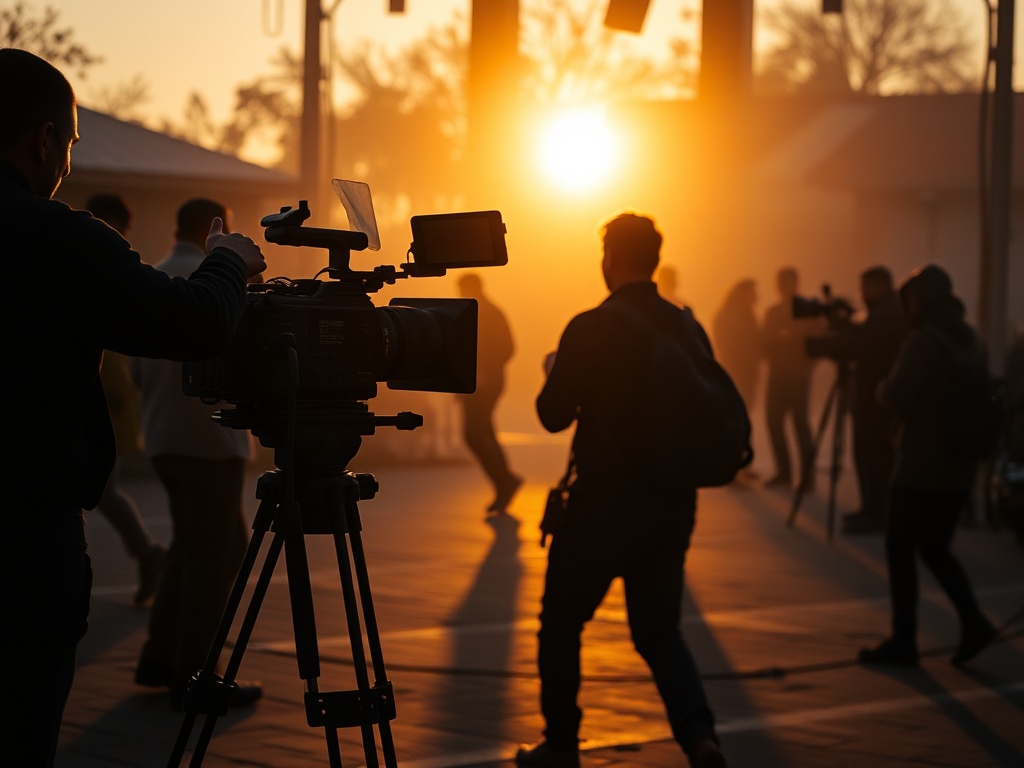
Most people watch movies for plot. Totally fair. But the real juice? It’s in the frame. Where people are standing. How they’re lit. What the camera is doing.
Three things to start noticing:
- Blocking: Where are the actors placed? Who has power in the shot?
- Lighting: Is it soft and natural or harsh and dramatic?
- Camera Movement: Is it locked down or floating?
You don’t need to name the techniques. Just notice patterns. Your brain will start connecting dots.
Step 4: Pay Attention to Sound (Seriously)
Look, we need to talk about sound—the most underrated part of the whole operation.
Close your eyes for 10 seconds during a scene. Can you still follow what’s happening? That’s sound design doing heavy lifting.
- Music tells you how to feel (obviously)
- Ambient sound tells you where you are
- Silence tells you something’s about to break
The best movies use sound like a second camera. It guides your attention, builds tension, and sometimes straight-up lies to you.
Step 5: Notice the Rhythm (Editing Is Invisible Magic)
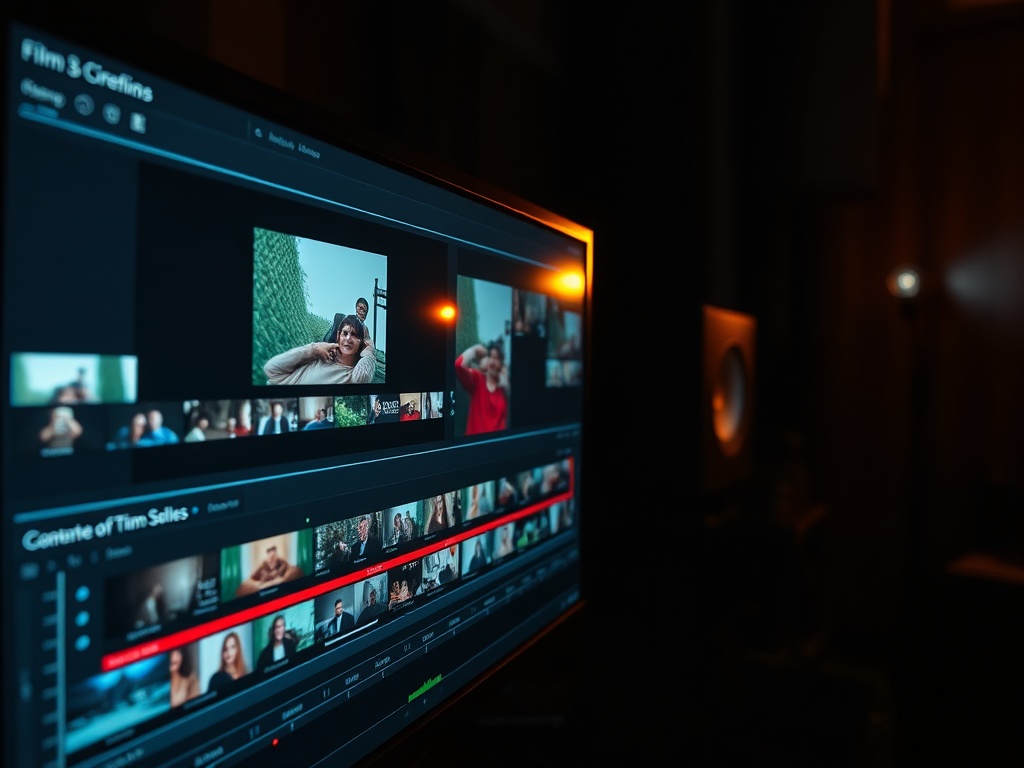
Editing is the heartbeat of a movie. You don’t see it—but you feel it.
Fast cuts = urgency. Long takes = tension or intimacy. If a movie feels boring, it’s often a rhythm problem, not a story problem.
Watch how long shots last. Do they linger? Do they snap? That’s the editor shaping your emotional experience frame by frame.
(And when it’s bad, you’ll feel that too. Like a song with no groove.)
Step 6: Accept Your Bias (Then Challenge It)
We all bring baggage into a movie.
- You love action movies
- You hate slow burns
- You’ve seen a trailer that gave too much away
That’s fine. Just be aware of it.
Sometimes a movie isn’t failing—you’re just resisting what it’s trying to do. The trick is asking: “Is this not working, or am I not meeting it halfway?”
This is where good movies turn into great ones—when you adjust your lens instead of demanding the movie adjust to you.
Step 7: Talk About It (That’s Where It Locks In)
Movies get better when you talk about them. Period.
You don’t need a film degree. Just ask:
- “Why did that scene hit?”
- “Why did that feel off?”
Even if your answer is wrong—it’s not. You’re building your own taste. And once you start articulating it, you’ll never watch passively again.
This is the whole game. Watching is step one. Talking is where it sticks.

Final Thought: You Don’t Need to Be an Expert
Look, the goal isn’t to turn every movie into homework. It’s the opposite.
When you start noticing craft—even just a little—you stop scrolling through movies like disposable junk. You start seeing intention. Effort. Personality.
And suddenly, even a messy movie becomes interesting. Because now you’re not just watching what happens—you’re seeing how it happens.
That’s the shift.
See you in the front row.
Steps
- 1
Kill the distractions
- 2
Start with a vibe check
- 3
Watch the frame, not just the story
- 4
Pay attention to sound
- 5
Notice the rhythm
- 6
Accept your bias
- 7
Talk about it