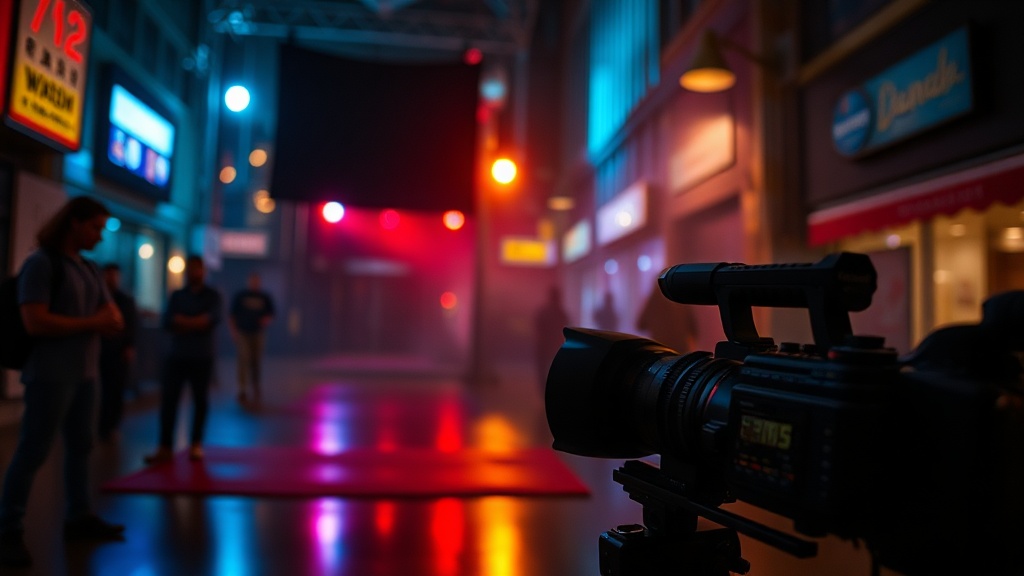
How to Appreciate Cinematography: A Deep Dive into Visual Storytelling

Welcome to another deep dive on Film Fanatic, where we tackle the magic behind the lens. Today, let’s get into the art of cinematography—how those beautiful frames you see on screen tell a story beyond words. Whether it’s a classic film noir or the latest action blockbuster, the craft of cinematography is one of the most impactful tools in visual storytelling.
Vibe Check: Imagine sitting in a dark theater, the sound of the projector whirring, and the world on screen unfolding with every frame. A good cinematographer can make you feel the weight of a moment simply by how the light hits an actor’s face or how the camera glides through a scene. This isn’t just about looking pretty—it’s about enhancing the emotional impact of the story.
Step 1: Understanding Lighting and Shadow
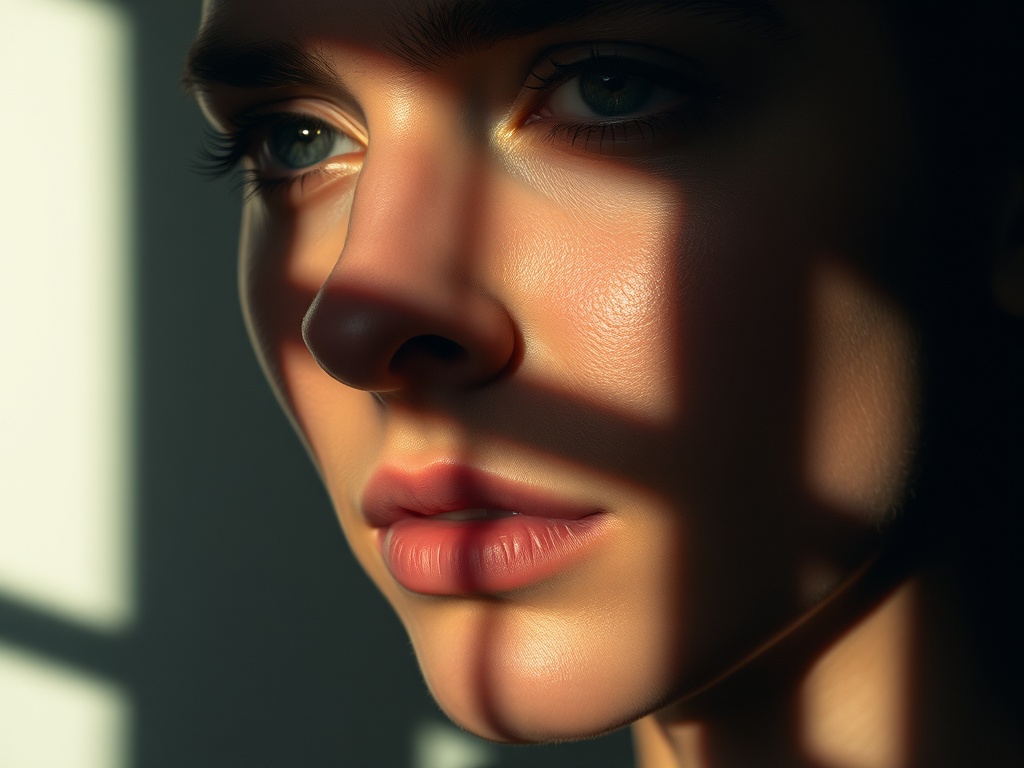
Lighting is the backbone of any good cinematography. It shapes how we see the characters and the world around them. The way light is used can affect the mood, tension, and even the moral alignment of characters. Key Tip: Pay attention to how light falls on faces—soft lighting often creates a calm, peaceful feel, while harsh lighting can add drama or tension.
Step 2: Camera Movement and Composition
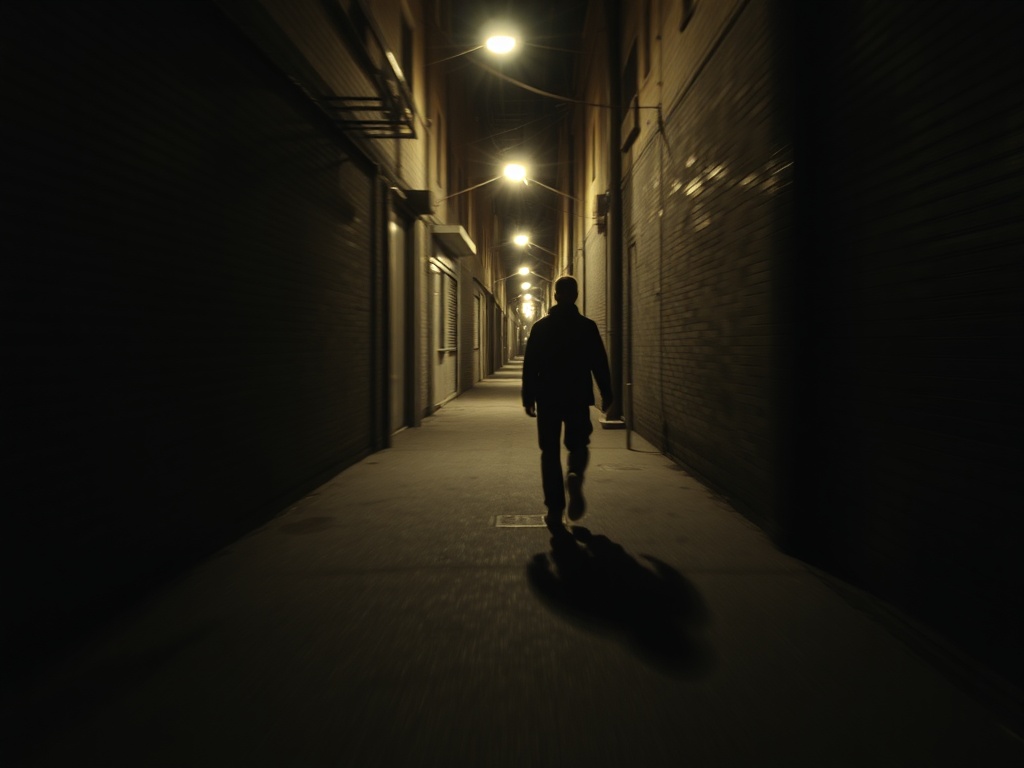
One of the most subtle yet powerful tools in cinematography is camera movement. Whether it’s a slow, sweeping shot or a tight handheld sequence, how a camera moves can affect the way we perceive a scene. Consider how the camera follows an actor through a room—this choice of composition guides the audience’s emotional journey through the scene.
Step 3: Aspect Ratio—The Frame within the Frame
Ever noticed how some movies seem to feel ‘larger than life’? That’s often due to the aspect ratio used by the cinematographer. The width and height of the image can significantly impact the visual storytelling. A wide aspect ratio (like 2.39:1) can make a landscape feel more expansive, while a squarer ratio (like 1.33:1) can give the film a more intimate, claustrophobic feel.
Step 4: Color and Texture
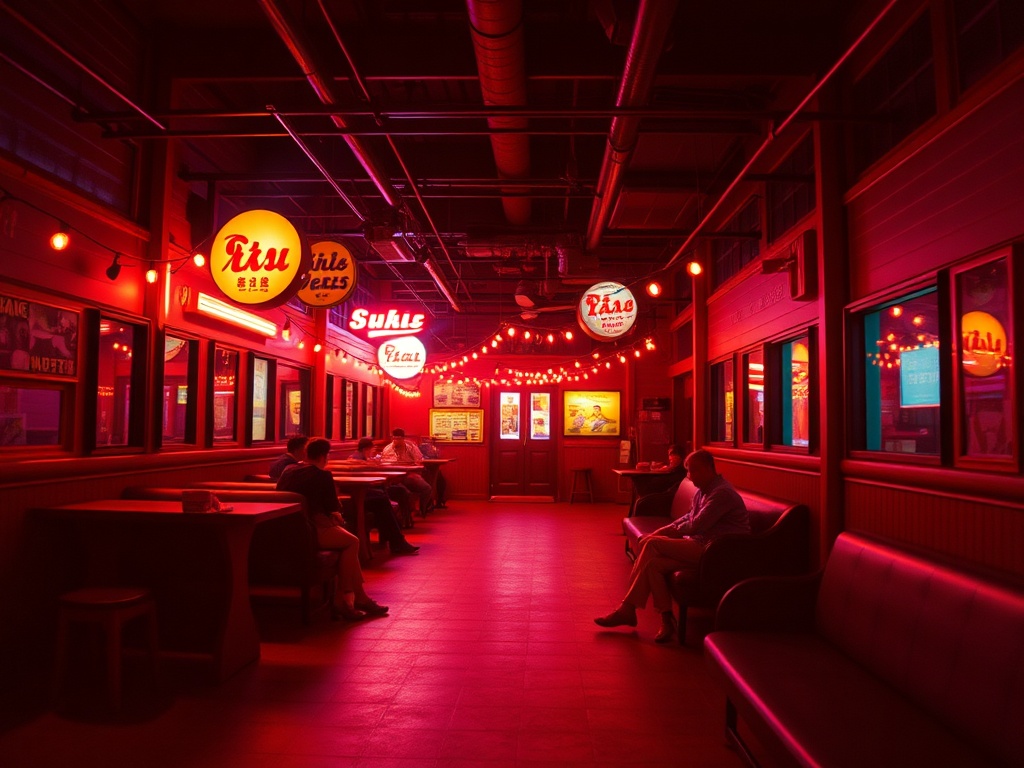
Color is another emotional tool in the cinematographer’s arsenal. The color palette of a film can invoke certain moods or symbolize underlying themes. Notice how films like *The Grand Budapest Hotel* use vibrant colors to enhance the quirkiness of the world, while a film like *The Revenant* uses muted tones to reflect the harsh, unforgiving wilderness.
Step 5: The Importance of Blocking
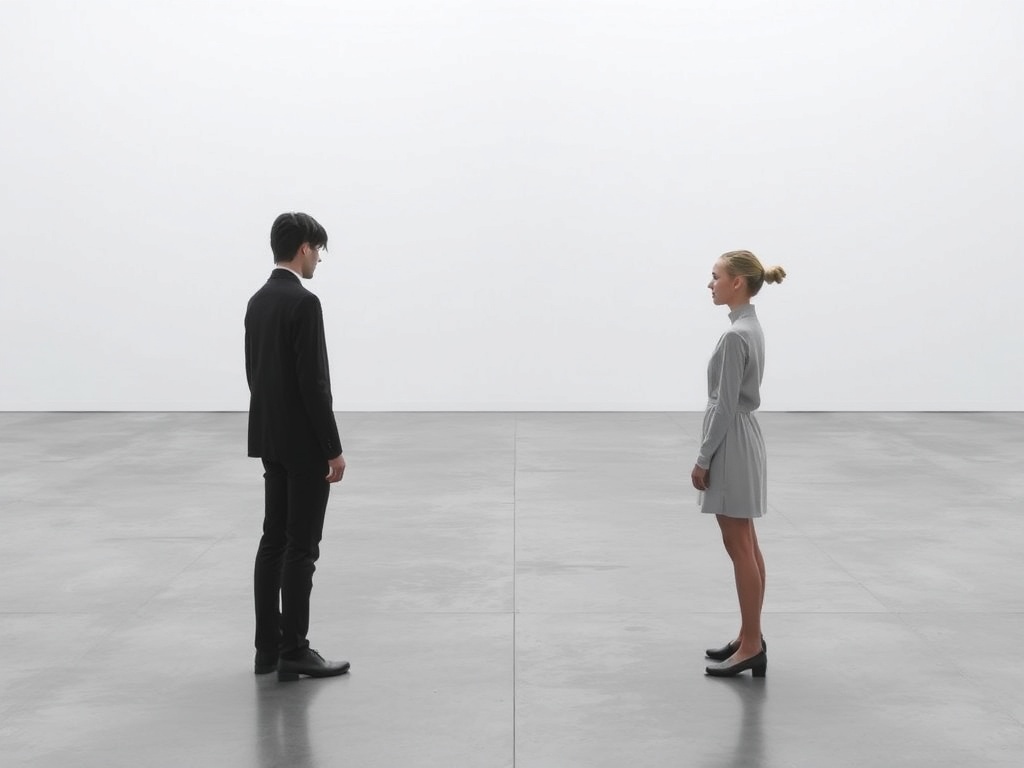
Blocking is where the director and cinematographer come together to plan the movement of characters within the frame. The way characters interact with their environment and each other can reveal so much about their relationships and the story’s emotional core. Think about the way two characters are framed in a conversation—do they face each other? Are they separated by space? These choices all add meaning to the scene.
Conclusion: Watching with Purpose
The next time you watch a film, don’t just watch it—study it. Pay attention to the little things: the lighting, the camera angles, the color palette. These elements work together to create a visual language that tells you a story without words. With these tips in mind, you’ll be able to appreciate the true artistry of cinematography.
FAQs:
- What is the difference between cinematography and photography?
While both deal with capturing images, cinematography involves storytelling through moving images, camera angles, lighting, and composition, while photography typically focuses on still shots. - Why is aspect ratio important?
The aspect ratio can drastically affect the emotional impact of a scene, providing a sense of scale or intimacy depending on the chosen ratio. - How does lighting affect the mood of a scene?
Lighting can convey emotions—soft lighting can suggest calm, while harsh or low-key lighting can create suspense or highlight character conflict.