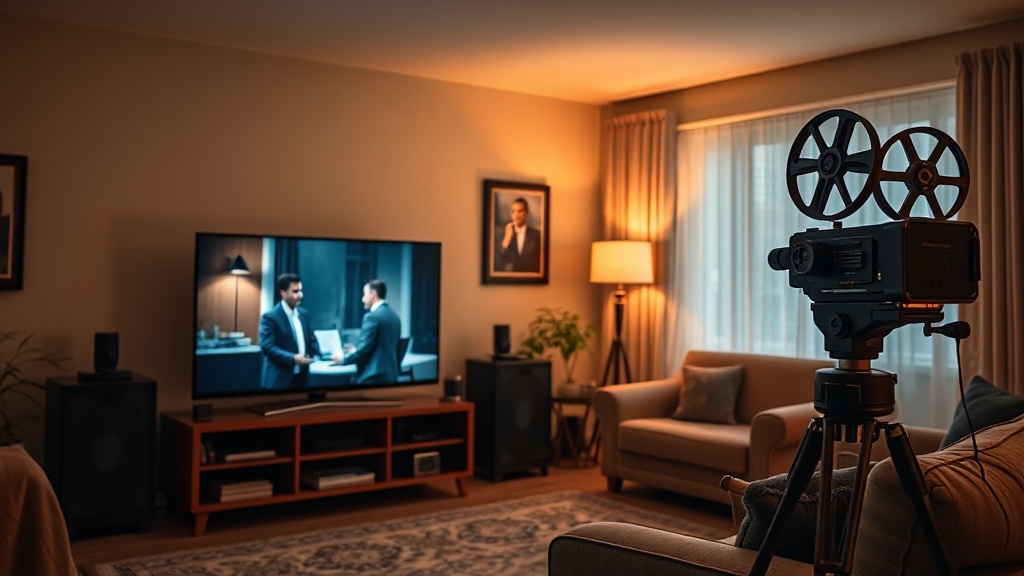
How to Set Up a Home 35mm Film Projection System

Ever dreamed of pulling a reel of 35mm film from a dusty cabinet and watching it flicker on a big screen in your own living room? The tactile click of the sprockets, the grainy glow of the projector lamp – it’s a cinema experience that streaming can’t replicate. If you’ve been inspired by our recent piece on the 35mm film comeback, this guide shows you how to turn that dream into a practical home setup.
We’ll walk through the gear you need, the space considerations, installation tricks, and even how to keep your film stock in top shape. By the end, you’ll have a clear plan, a realistic budget, and the confidence to start projecting like a true cinephile.
What equipment do I need for a home 35mm projection setup?
Think of a home 35mm rig as a small‑scale version of a commercial theater. The core components are:
- 35mm film projector – the heart of the system. Options range from refurbished vintage units (e.g., the 1970s Bolex or older Philips/Arri models) to modern, lightweight 35mm digital‑hybrid projectors.
- Projection screen – a high‑gain matte white or silver screen works best for film’s lower brightness compared to digital.
- Reel storage & handling tools – sturdy reels, film canisters, a reel-to-reel wind‑up station, and a light‑tight film bag.
- Audio playback – most 35mm prints have an optical or magnetic soundtrack; you’ll need a sound‑track decoder (e.g., a Dolby SR decoder) or a separate audio system synced to the film.
- Lighting control – blackout curtains or a dedicated darkroom to eliminate ambient light.
- Power conditioning – a clean, stable power source (UPS) to protect the lamp and motor.
For a deeper dive on projector models, see our LED wall analysis, which explains why many cinephiles still prefer film’s organic image.
Where should I set up my projection space?
Location matters more than you might think. Follow these questions to pick the perfect room:
- Is the room large enough? A 12‑ft wide screen needs at least a 20‑ft throw distance for most 35mm lenses.
- Can I control ambient light? Blackout curtains or a dedicated basement room are ideal.
- Is the floor level? Uneven floors can cause projector vibration; a sturdy, level platform is essential.
- Do I have ventilation? Projector lamps generate heat; allow airflow to avoid overheating.
Many home‑theater enthusiasts repurpose a spare bedroom or a walk‑in closet. If you’re short on space, consider a sound‑optimized acoustic treatment to make the room feel larger.
How do I properly install and align the projector?
Installation is a blend of precision and patience. Here’s a step‑by‑step checklist:
- Mount the projector on a stable tripod or a custom wooden platform. Make sure the base is level; even a millimeter of tilt can cause keystone distortion.
- Set the throw distance. Use the projector’s manual to calculate the ideal distance for a 100‑inch screen. Mark the floor with painter’s tape.
- Align the lens. Center the lens horizontally and vertically on the screen. Use a laser level if available.
- Adjust focus and iris. Load a short test reel (a few seconds of black film) and fine‑tune until the image is razor‑sharp across the entire frame.
- Sync audio. Connect the optical sound reader to your AV receiver. Run a quick sound check to ensure dialogue isn’t buried.
- Secure cabling. Use cable ties and grommets to keep power and audio cables neat and away from moving parts.
Remember, film projectors are mechanical beasts – regular maintenance (cleaning the gate, checking the lamp housing) extends their life.
What are the best 35mm projectors for home use?
Choosing a projector depends on budget, space, and how hands‑on you want to be. Below are three crowd‑tested options:
- Refurbished Bolex 35‑mm (circa 1975) – $1,200. Known for reliability and a solid metal build. Ideal for hobbyists who enjoy tinkering.
- Arri SR3 (1990s) – $2,500. Offers smoother pull‑down and interchangeable lenses. Great for larger rooms.
- Digital‑Hybrid Projector (e.g., JVC DLA‑RS5100 with 35mm attachment) – $4,800. Combines digital convenience with a 35mm gate; perfect if you also stream digital content.
All three models are discussed in detail on the 4K disc vs. film debate, where we compare image fidelity across formats.
How can I maintain and care for my film reels?
Film is a physical medium that degrades without proper care. Follow these best practices:
- Store reels in a cool, dry environment. Aim for 65‑70°F (18‑21°C) and 30‑40% relative humidity.
- Use archival‑grade canisters. Polyester film cans prevent static and moisture buildup.
- Inspect for damage before each use. Look for scratches, mold, or vinegar syndrome (a sweet smell indicating decay).
- Clean the projector gate. A soft lint‑free brush removes dust without scratching the film.
- Limit exposure to light. Only run the film when you’re ready to watch; unnecessary rewinds increase wear.
For a scientific perspective on film preservation, see the Library of Congress Film Preservation Guide (accessed March 2026).
What budget should I expect for a full setup?
Below is a rough cost breakdown for a mid‑range home 35mm rig:
| Item | Estimated Cost (USD) |
|---|---|
| Refurbished 35mm projector | $1,200‑$2,500 |
| Projection screen (120‑inch, high‑gain) | $400‑$800 |
| Audio decoder & speakers | $300‑$700 |
| Tripod/platform & accessories | $150‑$300 |
| Film reels (starter collection) | $200‑$600 |
| Power conditioning & cabling | $100‑$250 |
| Total | $2,350‑$5,150 |
Prices fluctuate based on availability of vintage gear. Keep an eye on specialty forums and auction sites – you can sometimes snag a solid Bolex for under $1,000.
Takeaway
Setting up a home 35mm projection system is a rewarding blend of technical know‑how and cinematic passion. By selecting the right projector, preparing a dark, level space, and caring for your film stock, you’ll enjoy the authentic flicker of celluloid without leaving your couch. Start small, upgrade as you go, and remember – the magic of film isn’t just in the image, it’s in the ritual of loading the reel and hearing that familiar whir.
Related Reading
- The 100‑Minute Movie: Why Brevity Beats Bloat — a defense of tighter runtimes, which pairs nicely with the discipline required for film projection.
- Why the LED Wall Is Lying to Your Eyes — understand why many cinephiles still trust film over digital walls.
- The Loudness Lie: Theater vs. TV Sound — learn how proper audio complements your 35mm picture.
Ready to roll? Grab a reel, fire up that projector, and let the light dance across your screen. Cheers to a home cinema that feels like a real theater.