Why 35mm Film Is Making a Comeback in 2026—and How to Watch It

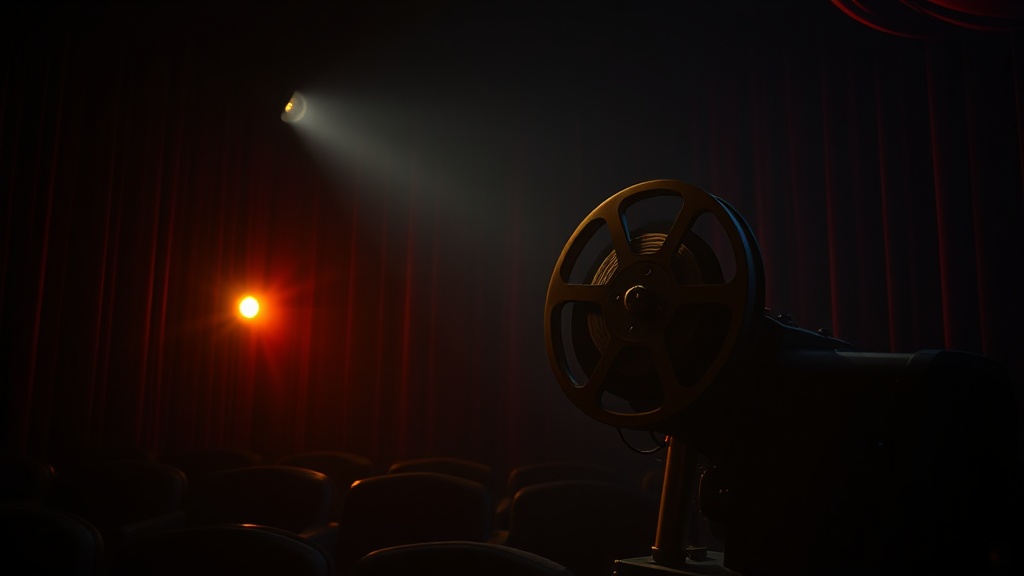
Ever walked into a theater and felt the whisper of real film spooling past the projector? That tactile buzz is back, and it’s not just nostalgia—it’s a full‑blown 35mm film revival in 2026.
As a former projectionist, I’ve spent more nights listening to the hum of a 35mm reel than most people have binge‑watched on Netflix. This week I’m pulling the curtain back on why indie houses are dusting off their old reels, what that means for us cinephiles, and how you can catch—or even recreate—the experience without breaking the bank.
What exactly is 35mm film, and why does it still matter?
In the simplest terms, 35mm is a strip of celluloid that’s 35 mm wide, each frame holding a single image. It was the industry standard for commercial cinema from the 1920s until the digital takeover in the 2010s. The format captures a dynamic range and grain structure that digital sensors still struggle to emulate. Wikipedia’s 35mm entry explains the technical specs, but the real magic is in the way light physically interacts with the emulsion—something you can’t fake with a pixel.
Why is 35mm suddenly trending again?
Two forces are converging:
- Indie theater activism. Places like the New Beverly Cinema in L.A. (see Other Cinema’s recent feature) are championing “celluloid nights” to differentiate themselves from the streaming glut.
- Collector demand. My own 400+ 4K Blu‑Rays have a sister collection of 35mm prints that I keep in a climate‑controlled vault. A surge in auctions for original negatives has made the format feel like a limited‑edition vinyl record—cool, tangible, and worth the hunt.
According to WBUR’s March 13 report, ticket sales for 35mm screenings have jumped 27% year‑over‑year, a clear signal that audiences crave the “real‑film feel.”
Where can I actually see a 35mm screening right now?
If you’re in a major metro, you’re in luck. Here’s a quick map of the top venues:
- Los Angeles: New Beverly Cinema (weekly 35mm nights)
- New York: Film Forum’s “Retro Reel” series (every second Thursday)
- Chicago: Music Box Theatre’s “Celluloid Saturdays” (first Saturday each month)
- Boston: Coolidge Corner Theatre’s “Classic Cuts” (bi‑weekly)
For the full schedule, check out Film Forum’s calendar. (I’ve personally caught “Frankenstein” on 35mm there, and the depth of the shadows still gives me chills.)
How can I bring 35mm magic into my own living room?
It’s not as impossible as you think. Here’s a quick‑hit guide:
- Find a projector. Look for a refurbished 35mm projector on eBay or a local cinema equipment dealer. Classic Bolex or Arriflex models run $1,200‑$2,500 and still get regular service.
- Secure a print. Many independent distributors now offer “digital‑to‑film” transfers for a modest fee. I grabbed a 35mm copy of All Quiet on the Western Front for $150 through FilmReplica.
- Set up a proper screen. A 100‑inch rear‑projection screen with a gain of 1.0 works best. Dim the room; 35mm’s contrast shines in low light.
- Calibrate the sound. Pair the projector with a calibrated Dolby Atmos system—just like the one I built for my home theater (see my budget home‑theater guide).
- Enjoy responsibly. Keep the reel dry, store reels in a cool, low‑humidity environment, and never run the projector unattended.
What 35mm releases should I hunt down this year?
2026 is already shaping up as a banner year for celluloid:
- “All Quiet on the Western Front” — the public‑domain masterpiece finally got a 4K 35mm restoration.
- “Marty Supreme” — a new indie thriller shot entirely on 35mm, playing limited runs at the New Beverly.
- “Frankenstein” (35mm revival) — the classic horror staple is back on the big screen with a fresh print.
Each of these offers a different lesson in how 35mm handles texture, grain, and color grading—perfect case studies for anyone who wants to understand why the format still feels “alive.”
Takeaway: Embrace the grain, but keep the tech in check
If you’ve ever wondered why the buzz about 35mm is more than a retro fad, the answer is simple: real film forces us to pay attention to light, shadow, and the physicality of cinema. Whether you’re catching a midnight showing at the Film Forum or setting up a modest projector in your den, the experience reminds us that movies are a craft, not just content.
So grab a seat, let the reel spin, and remember: the best stories still need a tangible frame to live in.
Related Reading
- Test Screenings Are Where Good Movies Go to Get Sanded Down Into Nothing — Why early audience feedback matters.
- Why Theaters Sound Like Movies and Your TV Doesn’t: The Loudness Lie — A deep dive into cinema audio.
- Fast Is Fine, Fake Is Not: Why 48fps Feels Like a Document — Frame‑rate debates that echo the 35mm conversation.