Why Modern Blockbusters Look Like Mud (And What We Lost Along the Way)

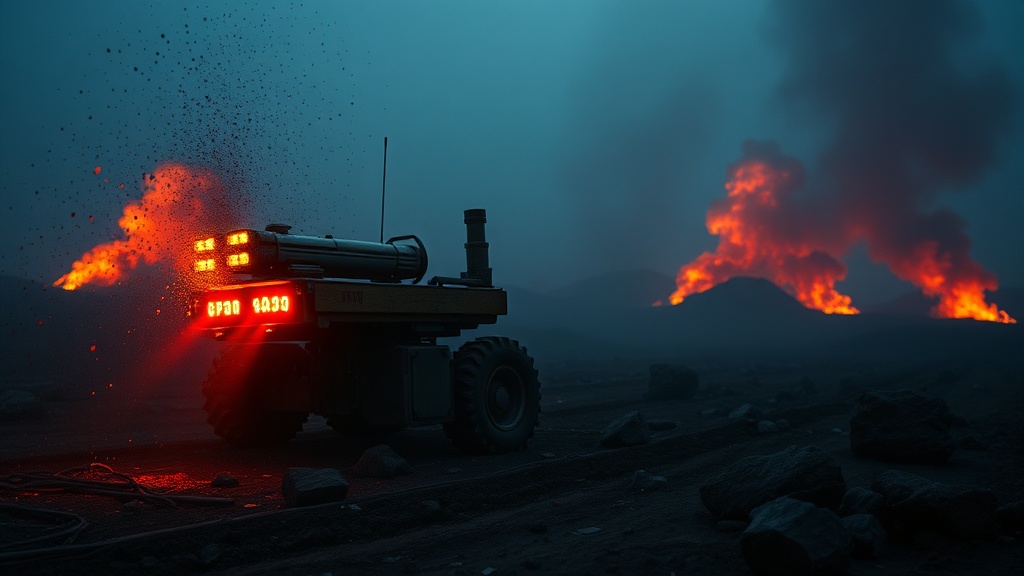
Vibe Check: You know that feeling when you’re watching a $200 million movie and everything just… blends together? Faces look flat, backgrounds feel fake, and somehow the whole thing has the texture of a wet cardboard box. It’s not you. Something is off. And once you see it, you can’t unsee it.
The Death of Texture
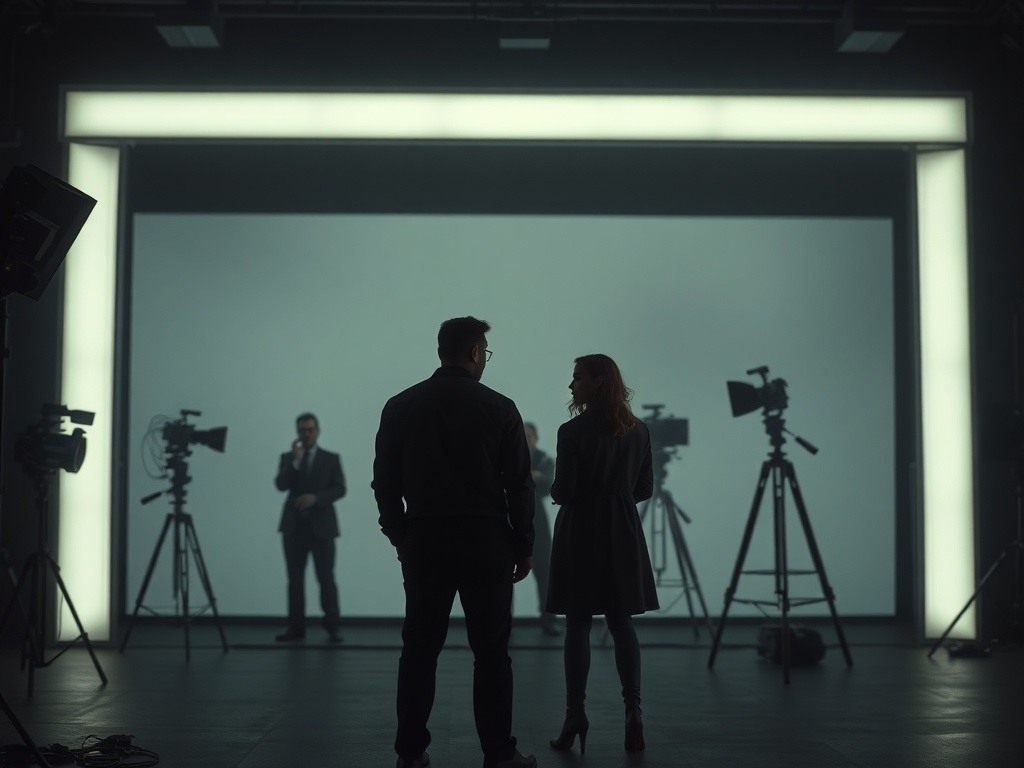
Look, we need to talk about texture. Not story, not acting—the actual image. The thing hitting your eyeballs.
There was a time when movies had weight. Grain. Imperfection. You could feel the air in a room. Watch something shot on 35mm—even a messy one—and there’s this organic unpredictability. Light blooms. Shadows have depth. Skin looks like skin.
Now? We’re getting these hyper-clean digital images that have been scrubbed, flattened, and color-graded into oblivion. It’s like someone ran the movie through three layers of Instagram filters and called it a day.
And the worst part? It’s not because cameras got worse. It’s because we stopped respecting what the camera sees.

The Volume of It All
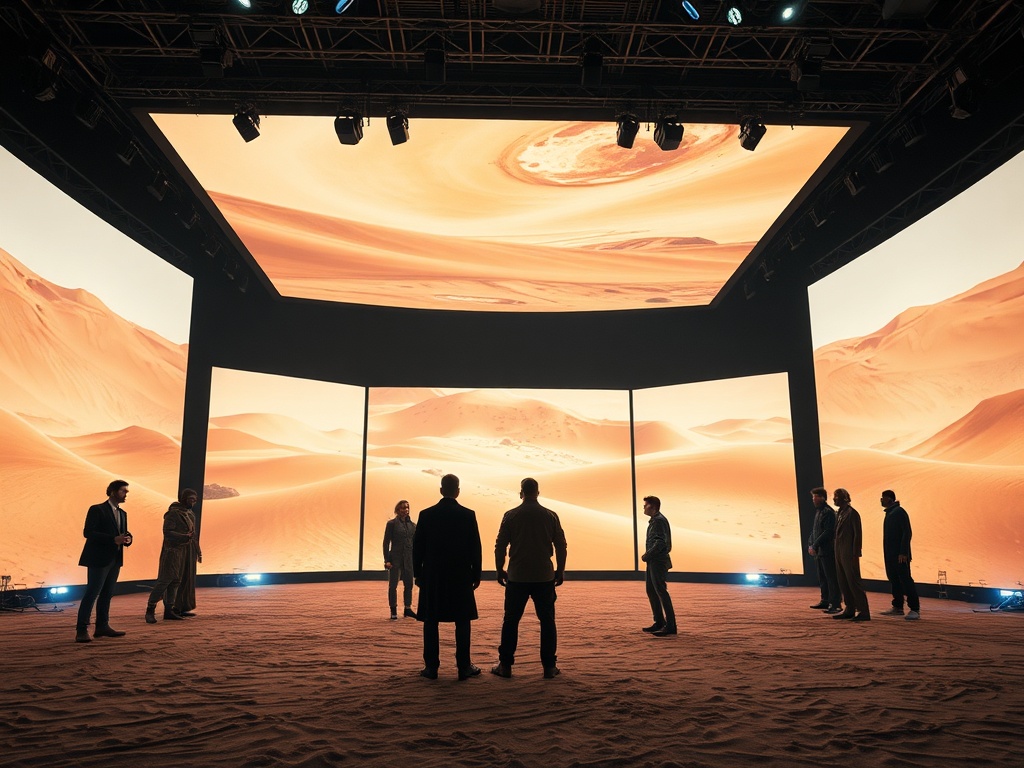
Let’s talk about the elephant in the room: LED stages—aka "The Volume."
Now, on paper, it’s incredible tech. Giant LED walls projecting environments in real time. Actors can see the world around them. Lighting is interactive. No green screen guesswork.
But here’s the thing nobody wants to say out loud: it often looks like garbage.
Why? Because it kills depth.
Real locations have chaos. Light bounces unpredictably. Backgrounds exist at actual distances. When you replace that with a giant screen, everything collapses into this weird mid-ground soup. The foreground and background start living on the same visual plane.
It’s the difference between standing in a desert and standing in front of a really expensive TV showing a desert.
Are we seeing this?
Lighting Like a Zoom Call
This is the one that drives me insane.
We’ve got movies lit like corporate webinars. Flat, even, no shadows, no risk. Everyone is perfectly visible at all times, which sounds good until you realize you’ve just removed every ounce of mood.
Lighting is storytelling. Hard shadows can make a character feel dangerous. Soft falloff can make a moment intimate. But when everything is evenly lit, the image becomes emotionally neutral.
It’s safe. And safe is death.
(Check any great noir. The shadows are doing half the acting.)

The Color Grade Problem
Let’s get into the digital grade—the final polish that can either elevate a movie or completely suffocate it.
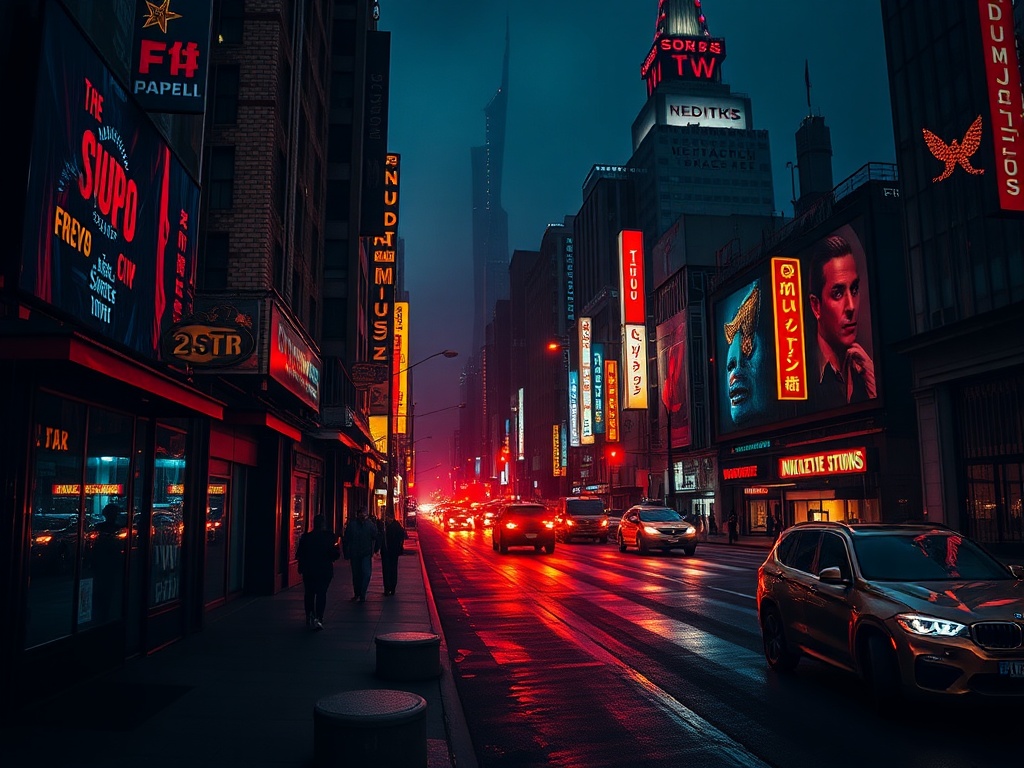
Modern blockbusters love this desaturated, teal-and-orange-adjacent look, but stripped of personality. Everything gets normalized. Skin tones get homogenized. Highlights get clipped. Shadows get crushed.
You end up with an image that feels… managed. Controlled. Sterile.
Compare that to something like a Michael Mann night scene—where colors bleed and the digital noise actually adds texture. That’s intentional. That’s someone using the tools instead of hiding behind them.
The difference is confidence.
Coverage Over Craft
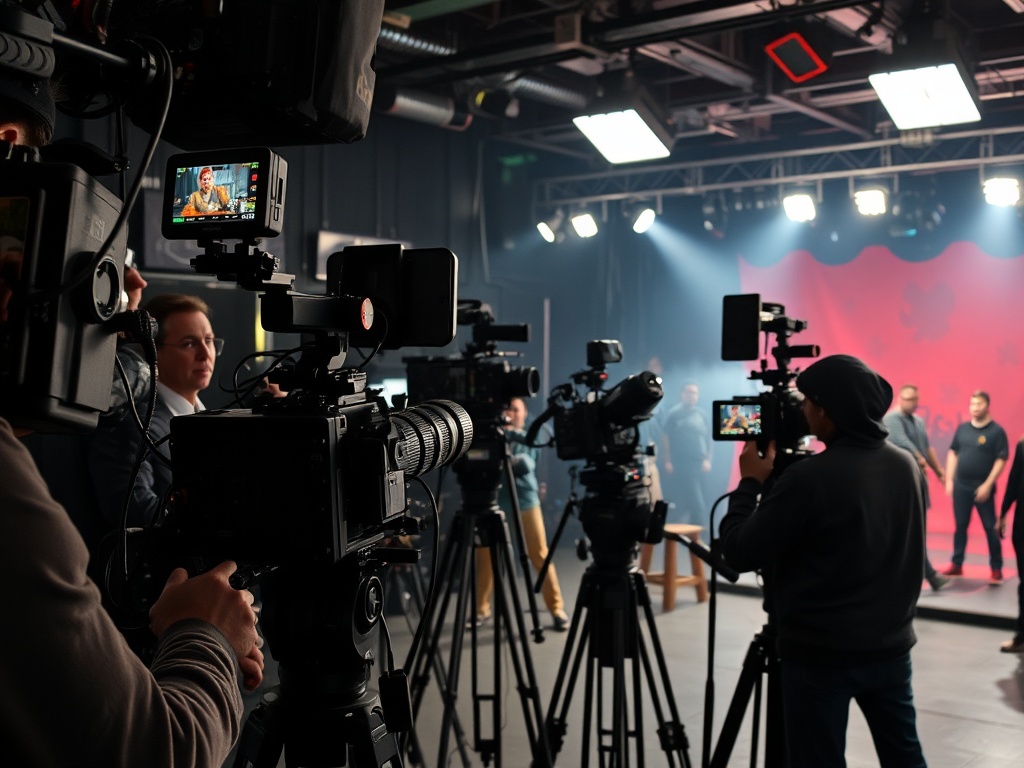
Here’s the quiet shift that nobody talks about: we stopped shooting scenes, and started shooting options.
Instead of designing a sequence with specific blocking and camera movement, a lot of modern productions just… cover everything. Multiple angles, multiple focal lengths, everything safe.
Then they "find the scene" in editing.
And look, editing is magic. But if you don’t commit to visual choices on set, the final image feels indecisive. There’s no rhythm. No intention. Just coverage.
It’s the filmmaking equivalent of saying, "We’ll fix it later."
Why Mid-Budget Movies Still Look Better
This is where it gets interesting.
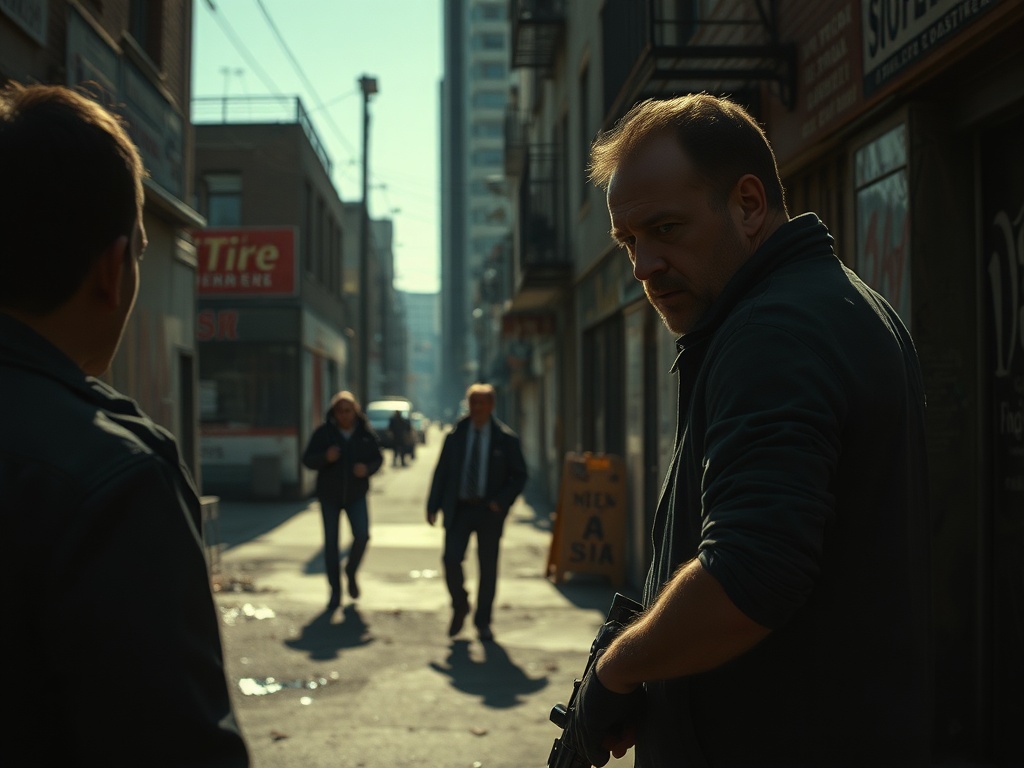
You watch a tight $20–40 million thriller, and suddenly—boom—cinema is back. Shadows. Intentional framing. Real locations. Someone actually thinking about how a scene should feel.
Why? Because they have to commit.
They don’t have the luxury of infinite reshoots or endless digital manipulation. They make choices. And those choices show up on screen.
The irony is brutal: the less money you have, the more the movie tends to look like a movie.
Streaming Is Lying to You
Quick side note—because I can’t help myself.
Even when a movie is shot beautifully, streaming can absolutely destroy it. Compression kills fine detail, smooths out grain, and flattens contrast.
So now you’ve got a digitally shot, heavily graded movie being compressed into a lower bitrate stream. That "mud" you’re seeing? It’s getting amplified.
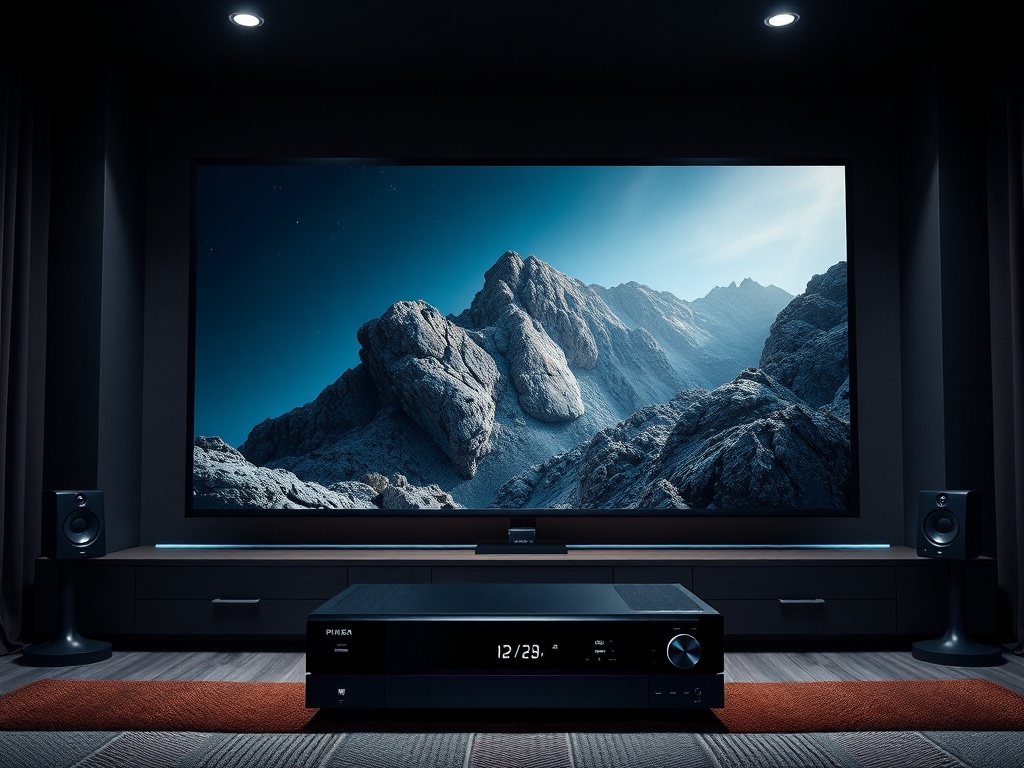
This is why physical media still matters. The disc doesn’t lie to you. It shows you the image as it was meant to be seen.
So What Do We Do?
Look, I’m not here to just complain. (Okay, maybe a little.)
The good news is that great-looking movies still exist. You just have to know where to look—and what to look for.
- Seek out directors who care about the frame.
- Pay attention to lighting and depth, not just spectacle.
- Watch something older on a good transfer and recalibrate your eyes.
Once you start noticing this stuff, your tolerance for visual laziness drops fast. And that’s a good thing.
Because movies deserve better than looking like expensive mush.
The Bottom Line
We didn’t lose the ability to make beautiful images. We just got comfortable cutting corners and calling it innovation.
But the craft is still there, waiting for filmmakers who actually want to use it.
And when they do? You feel it immediately. The image breathes again.
That’s the high we’re chasing.
See you in the front row.