Why Modern Movies Look Like Mud (And How We Got Here)

Vibe Check: You ever sit down, lights off, ready to lock in… and the movie just looks wrong? Not bad exactly—just flat, smeared, like someone wiped grease across the lens. That’s the vibe we’re dealing with right now. The image doesn’t breathe. It just sits there.
The Problem Isn’t Your TV (Mostly)
Look, I’ve had this conversation too many times: “Maybe I need a better TV.” Maybe. But nine times out of ten, that’s not the issue. You could have a pristine OLED, perfect blacks, calibrated color—and the movie will still look like it was shot through a wet sock.
The real problem? A perfect storm of creative choices, technical shortcuts, and industry habits that all stack together. It’s not one thing. It’s the everything of it all.
The Volume Problem: When Backgrounds Became Screensavers
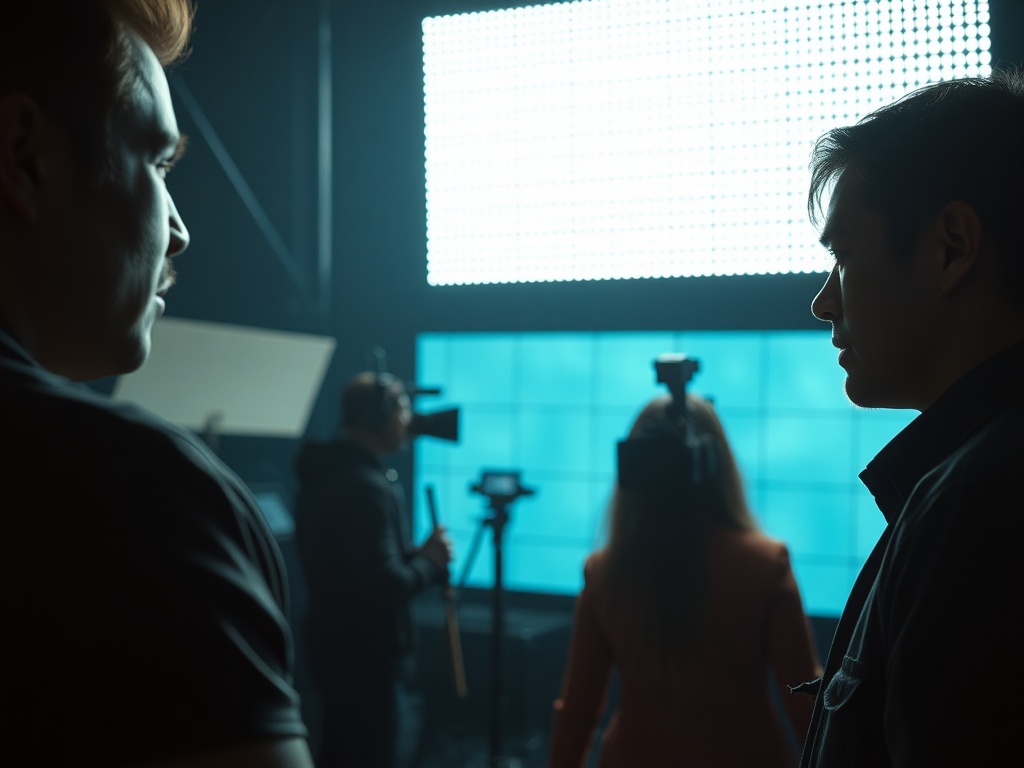
Let’s start with the big one: LED volume stages. You’ve seen them—even if you don’t know the name. Giant walls of screens projecting digital environments behind actors. In theory? Incredible. In practice? We’re getting a lot of… digital soup.
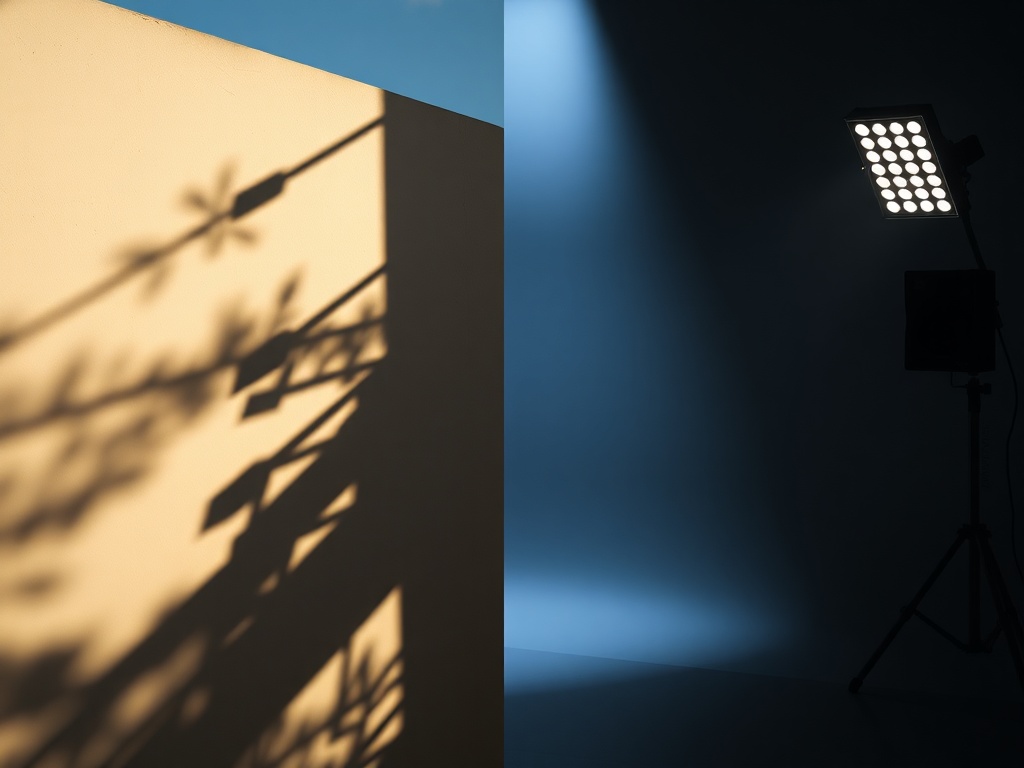
Here’s the issue. Real light behaves like chaos. It bounces, spills, leaks into places it shouldn’t. That’s what gives an image depth. Volume lighting is controlled. Too controlled. It flattens the world. You lose that happy accident of real environments.
(Watch how shadows fall in something like Heat versus a modern streaming action movie—it’s night and day.)
Digital Cameras Are Too Good (Yes, Really)
This is where it gets weird. Cameras today are incredible. Insanely high resolution. Massive dynamic range. They see everything.
And that’s the problem.
Film used to give us texture for free—grain, slight imperfections, organic movement. Digital? It’s clinical. So what happens? Filmmakers try to "fix" that in post. Add grain. Adjust contrast. Tweak colors. And if you push it too far, the image breaks. It turns into mush.
We’re basically sanding down a perfectly sharp image until it looks “cinematic.” Sometimes it works. A lot of the time? It just looks processed.
The Color Grading Arms Race
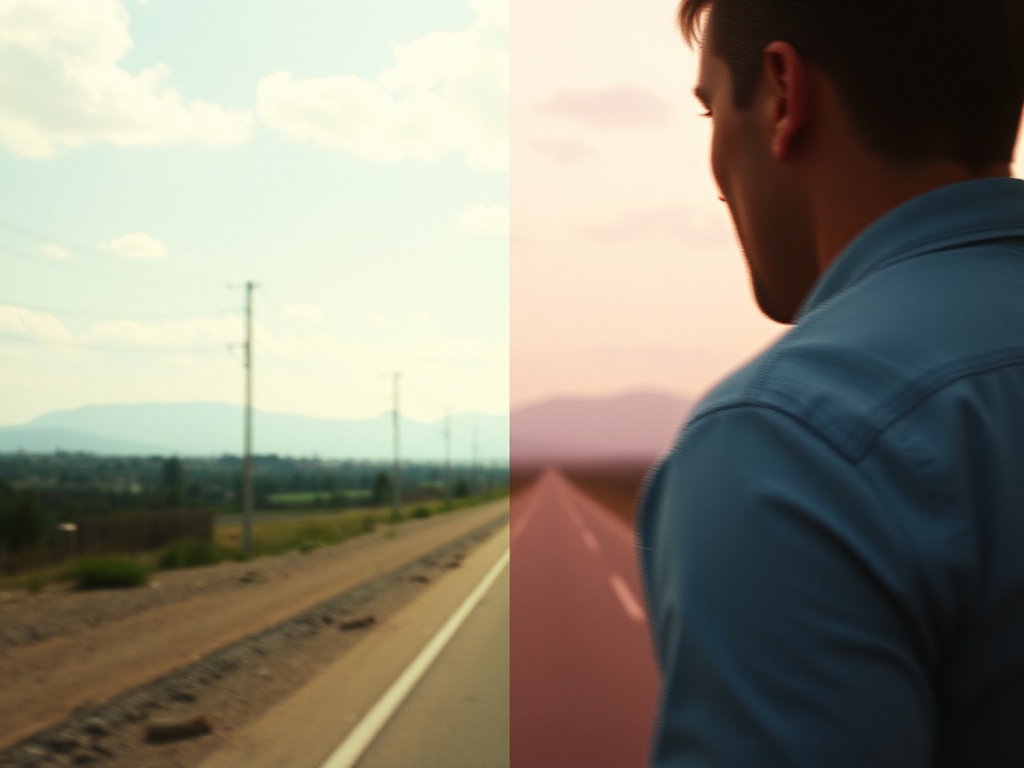
Look, color grading used to be seasoning. Now it’s the entire meal.
Everything is teal and orange, or desaturated into oblivion, or crushed so hard into darkness you can barely tell what’s happening. Why? Because it signals “prestige.” It signals “serious.”
But here’s the thing nobody says out loud: if your audience is squinting, you’ve lost them.
(And don’t get me started on HDR done wrong—nothing like a blown-out highlight next to a pitch-black face.)
Streaming Compression: The Silent Killer
Even when a movie is shot beautifully, streaming can absolutely wreck it.
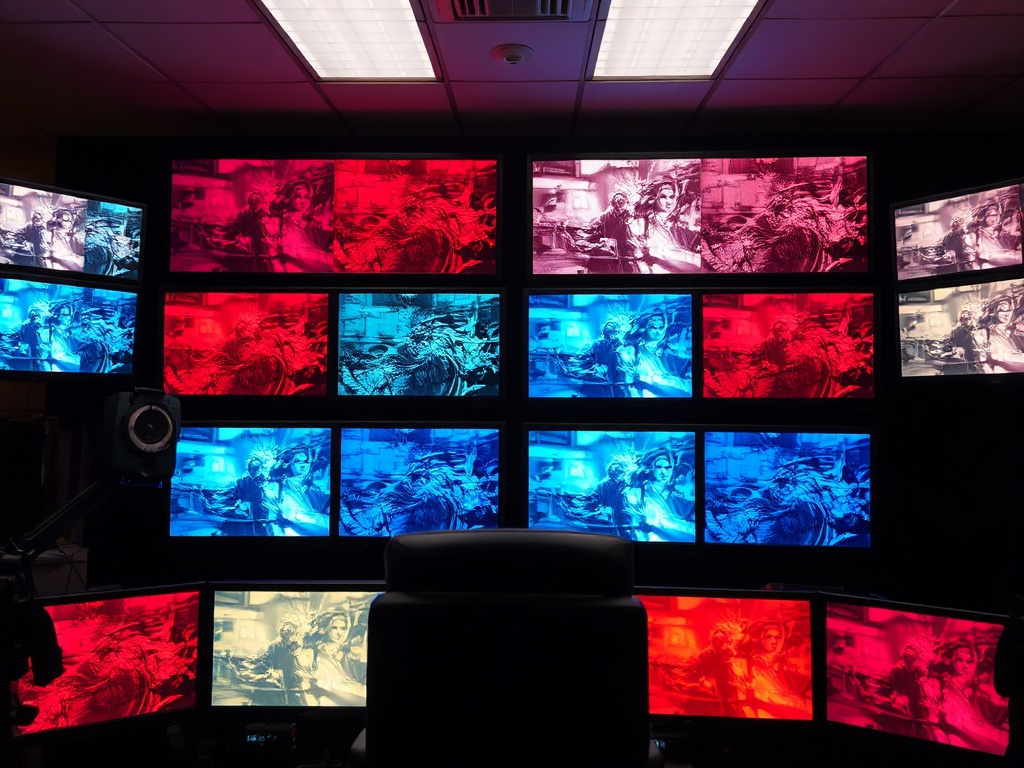
Bitrate is the dirty word nobody wants to talk about. Lower bitrate means less data per frame. Less data means less detail, especially in dark scenes. That’s where things fall apart—banding, blockiness, that weird muddy texture.
This is why your 4K stream doesn’t look like a 4K disc. It’s not even close. One is a firehose of data. The other is a trickle trying to keep up with your Wi-Fi.
Lighting Trends: The "Let’s Just Shoot It Dark" Era
This one drives me insane.
There’s a trend—especially in big-budget stuff—where everything is just… dark. Not moody. Not intentional. Just underlit. And then they try to fix it later.
Here’s the truth: if you don’t light it right on set, you’re not saving it in post. You’re just stretching a bad image.
Great cinematography isn’t about darkness—it’s about contrast. It’s about shaping light so your eye knows where to go. When everything sits in the same muddy gray zone, your brain checks out.
The Mid-Budget Movie Disappeared (And Took Craft With It)
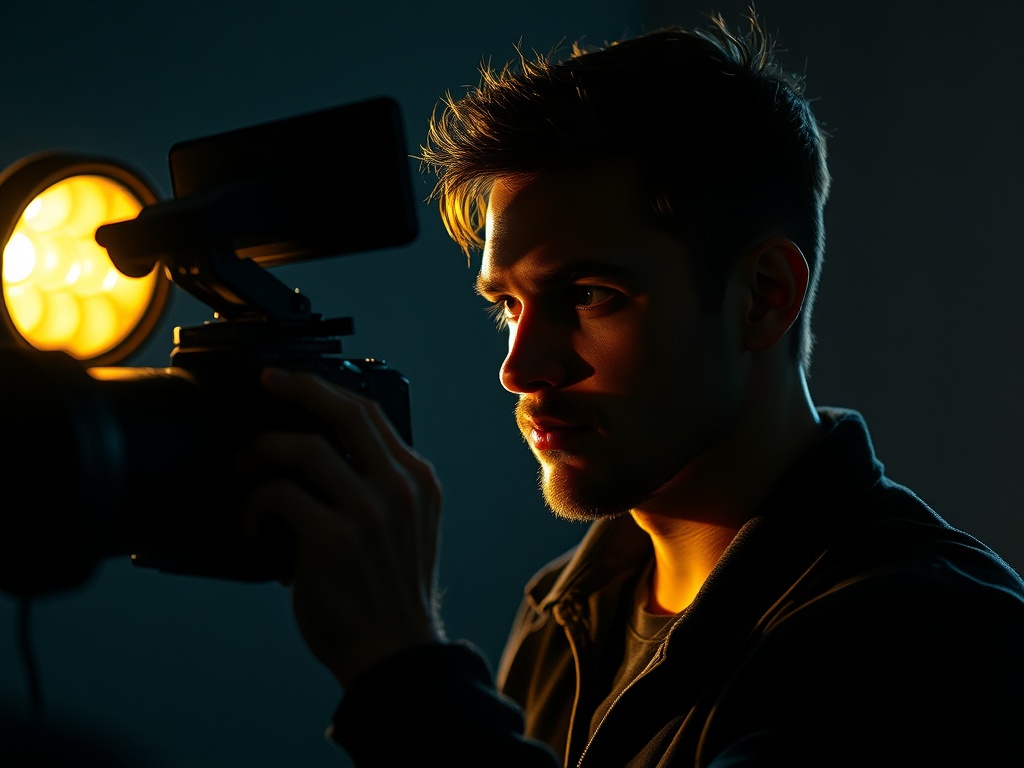
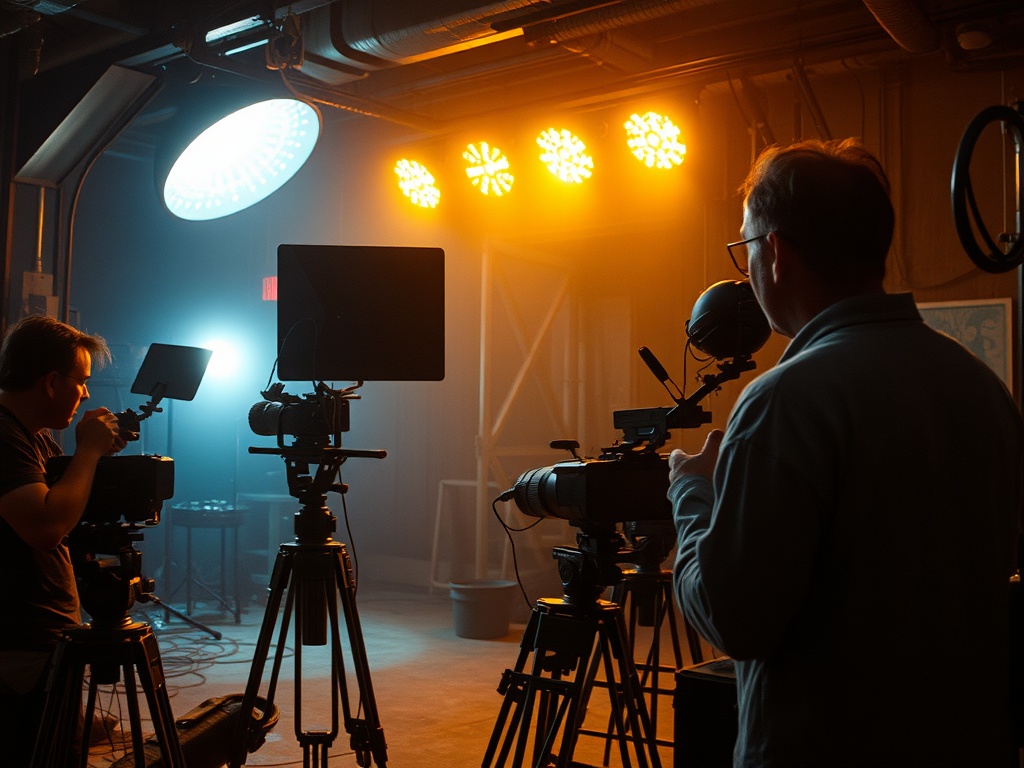
Here’s the part nobody connects enough: when we lost the $20–50 million movie, we lost a training ground.
Those films were where cinematographers experimented. Where directors figured out how to light a room without 300 VFX shots backing them up. Where mistakes happened—and got fixed.
Now? You’re either working with nothing or working inside a massive machine where everything gets smoothed out into safe, uniform visuals.
The result is a lot of movies that look the same. Clean. Polished. Forgettable.
So Why Do Older Movies Look Better?
Not all of them do. Let’s be honest. But the ones that hit? They feel alive.
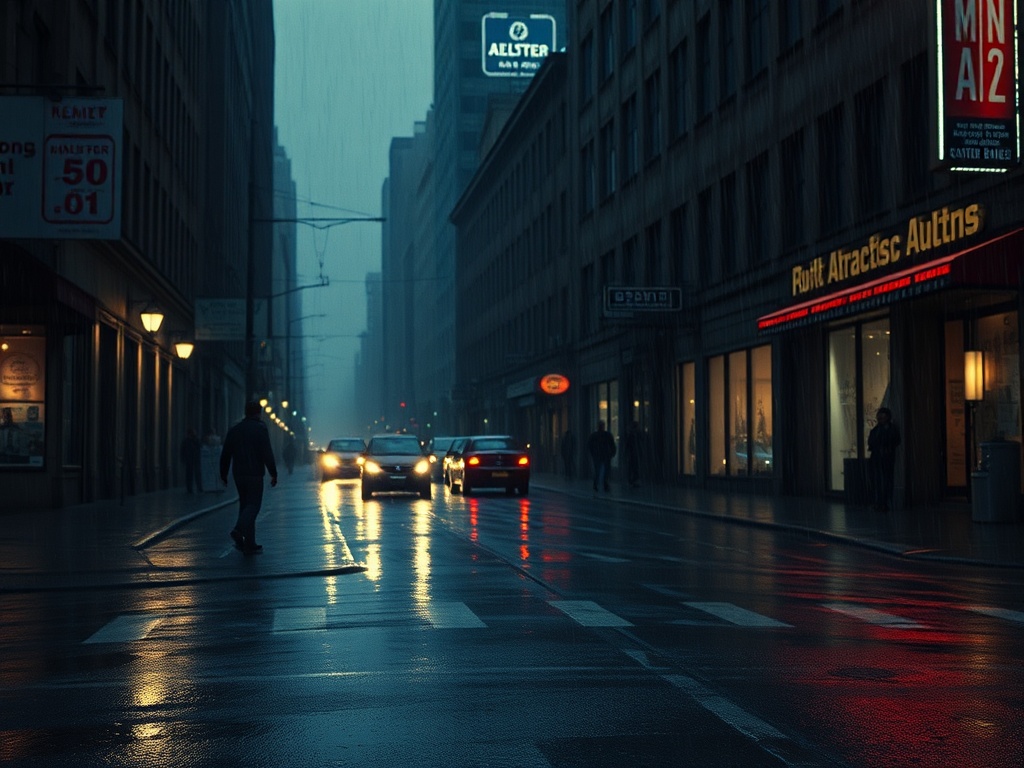
Because they were built on limitations. Film stock had constraints. Lighting setups had to be precise. You couldn’t fix everything later. So you had to get it right now.
That pressure creates intention. And intention shows up on screen.
(Throw on something like Se7en or Michael Clayton—look at how every frame feels carved, not assembled.)
How We Fix This (Or At Least Spot It)
We’re not going back to 1995. That’s not happening. But there are ways forward—and ways to watch smarter.
- Pay attention to light: Are there actual shadows? Depth? Or is everything evenly lit?
- Watch for texture: Does the image feel tactile, or smooth to the point of plastic?
- Check the source: Streaming vs physical media is a real difference.
- Notice your own eyes: If you’re straining to see what’s happening, that’s not you—that’s the movie.
The Real Takeaway
Look, movies don’t just “look bad” by accident. Every muddy frame is the result of choices—some creative, some technical, some financial.
The good news? When you start seeing it, you can’t unsee it. And suddenly, when a movie does look right—when the lighting hits, the texture’s there, the image breathes—it feels electric again.
That’s what we’re chasing. Not perfection. Not nostalgia. Just movies that look like someone cared about the frame.
See you in the front row.