Why Movie Villains Are Often More Interesting Than the Heroes

The Complexity of Motivation
The Freedom to Break Rules
The Catalyst for Hero Growth
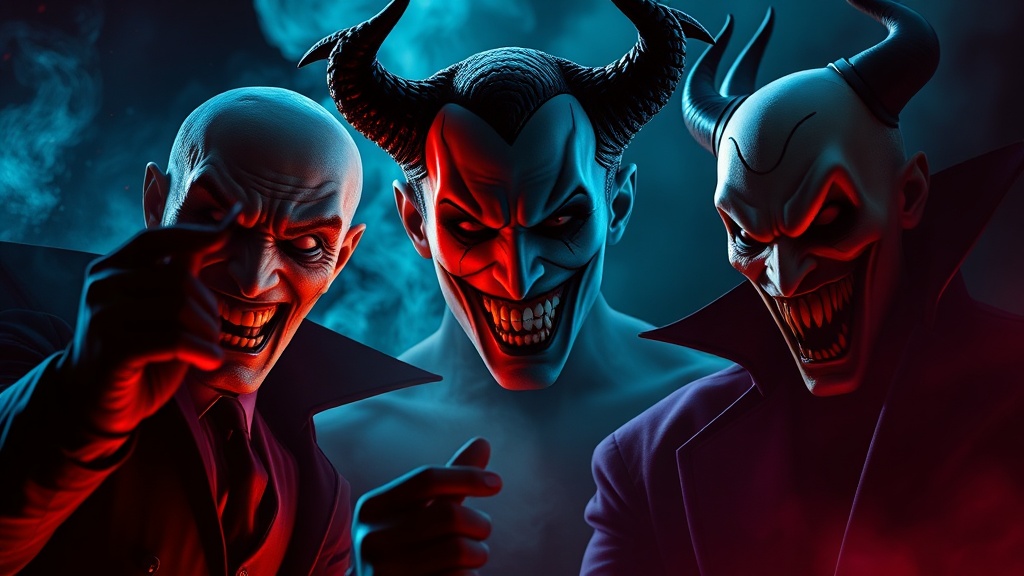
A single spotlight cuts through a pitch-black stage, illuminating a figure who doesn't just want to win—they want to reshape the world. The audience isn't cheering for this person, but they are leaning forward, unable to look away. This is the fundamental tension of the cinematic antagonist. While the hero provides the moral compass, the villain provides the momentum. This post examines the technical and narrative reasons why antagonists often command more screen presence and psychological depth than the protagonists they oppose.
The Engine of Conflict
In screenwriting, the protagonist is often defined by what they lack or what they must protect, which can lead to a reactive character arc. A hero spends much of the second act responding to crises. Conversely, a well-written villain is proactive. They possess a clear, driving objective that forces the world to react to them. This proactive nature makes them the true engine of the plot.
Take, for example, the structural difference between a standard hero and a high-level antagonist. The hero is often bound by a moral code or a set of societal rules that limit their choices. The villain, however, is unbound. This freedom of choice allows for more dynamic storytelling. When a character is willing to break every rule to achieve a goal, the narrative stakes skyrocket because the audience cannot predict the lengths to which that character will go. This unpredictability is the heartbeat of suspense.
The Complexity of Moral Ambiguity
Heroes are frequently written with "flat" morality to ensure the audience knows exactly who to root for. While this works for certain genres, it can lead to predictable, one-dimensional characters. Villains, however, are often granted the luxury of complex motivations. A villain isn't just "evil"; they are often driven by a perverted version of a virtue, such as justice, order, or love.
- The Relatable Motivation: Characters like Magneto in the X-Men series aren't just seeking destruction; they are seeking survival for their kind. This makes their actions understandable, even if they are reprehensible.
- The Philosophical Divergence: Great villains often present a philosophy that challenges the hero's worldview. They don't just fight the hero physically; they fight the hero's belief system.
- The Shadow Self: A compelling antagonist often acts as a dark mirror to the protagonist. They represent what the hero could become if they lost their restraint or succumbed to their darkest impulses.
This depth is often enhanced by visual storytelling. A director might use specific lighting or color to signal this complexity. For instance, notice how many iconic villains are framed with high-contrast lighting or specific color cues to denote their power and complexity. You can see a deep connection between character depth and visual cues in our breakdown of how color palettes shape emotional responses.
Agency and the Power of the "Why"
One of the biggest pitfalls in modern blockbuster filmmaking is the "passive hero." This occurs when a protagonist moves through a story simply because the plot requires them to, rather than because they are driving the action. The villain, by contrast, almost always has an intense sense of agency. They have a plan, a method, and a reason.
When a writer crafts a villain, they must answer the "Why" with more rigor than they do for the hero. If a villain wants to destroy a city, "because he's bad" is a failure of writing. If a villain wants to destroy a city because he believes the current social structure is a lie that prevents human evolution, you have a character that can sustain a two-hour runtime. This level of detail provides the friction necessary to keep the audience engaged during the middle of the film, where pacing often drags.
Visual and Auditory Dominance
From a technical standpoint, the villain often receives the most striking visual and auditory treatment. Because the villain is meant to disrupt the status quo, the filmmakers use every tool in the kit to signal their presence. This isn't just about being "scary"; it's about being unmistakable.
Consider the use of sound design. A villain's entrance is rarely subtle. Whether it is the rhythmic, heavy breathing of a masked killer or a specific, dissonant musical motif, the antagonist is given a unique sonic identity. This is why watching movies with original soundtracks is essential for understanding character weight. The music doesn't just accompany the villain; it announces their inevitability. The score creates a sense of dread that the hero's more "heroic" or "triumphant" themes cannot match.
Visually, villains often occupy more interesting spaces. While the hero might be framed in standard medium shots to establish empathy, the villain is often subjected to extreme low-angle shots to establish dominance, or heavy shadows to establish mystery. These technical choices make the villain the most visually stimulating element on screen.
The Catharsis of the Antagonist
There is a psychological satisfaction in watching a villain execute a complex plan, even if we disagree with the outcome. We are drawn to the competence. A competent villain is far more terrifying and interesting than a bumbling one. We respect the efficiency of their movements, the precision of their dialogue, and the scale of their ambition.
This competence creates a "competence porn" effect. We want to see how the hero—who is often struggling and flawed—will overcome a force that seems mathematically superior. The villain provides the high bar that the hero must leap over. Without the sheer brilliance or terrifying presence of the antagonist, the hero's eventual victory feels unearned. The more formidable the villain, the more significant the hero's eventual triumph becomes.
Summary of the Antagonist Advantage
To recap, the reason the "bad guy" often steals the show comes down to three technical pillars:
- Proactive Plotting: They drive the story forward through action rather than reacting to it.
- Philosophical Depth: They offer a challenging, often nuanced worldview that complicates the narrative.
- Technical Grandeur: They are given the most distinctive musical motifs, lighting schemes, and camera angles to ensure they command the viewer's attention.
Next time you're watching a film and find yourself more interested in the person trying to stop the hero than the hero themselves, don't feel guilty. You aren't just watching a "bad guy"; you are witnessing the most complex piece of machinery in the script.