Why We Love Rewatching the Same Movies Over and Over

The Comfort of Predictability
Emotional Regulation and Stress Relief
The Nostalgia Connection
Deepening Your Understanding of Details
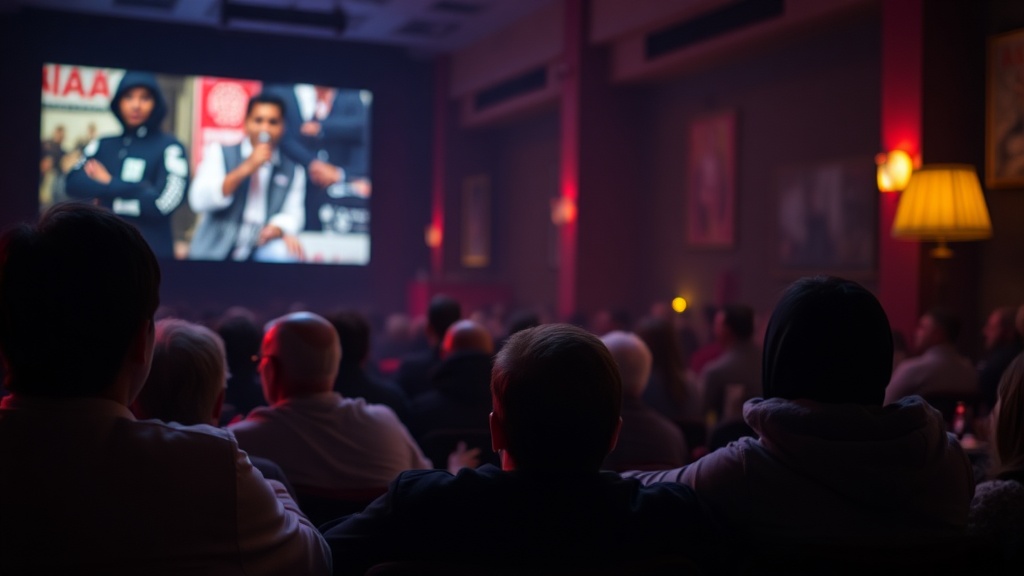
A person sits on a couch, the blue light of a television flickering against the walls, and hits the "Play Again" button on a film they have already seen at least a dozen times. There is no tension regarding the plot, no mystery about the ending, and no suspense regarding the protagonist's fate. Despite this, they stay seated, fully immersed in the experience. This behavior isn't just laziness or a lack of curiosity; it is a calculated psychological and aesthetic response to the way cinema is constructed. This post examines the technical and emotional reasons why we return to the same films, from the comfort of predictable pacing to the discovery of subtle visual cues that only reveal themselves upon subsequent viewings.
The Comfort of Predictable Pacing
The human brain is a pattern-recognition machine. When we watch a new film, our cognitive load is high because we are constantly trying to map out the internal logic of the world, the rules of the magic system, or the social hierarchies of the characters. This is exhausting. When we rewatch a film like The Godfather or Toy Story, that cognitive load drops significantly. We already know the structural beats of the second act and the emotional climax of the third.
This predictability creates a state of "low-stakes engagement." In a world where most modern media is designed to shock or disrupt, a familiar film acts as a controlled environment. You know exactly when the tension will peak and when the resolution will arrive. This allows the viewer to move from a state of active problem-solving to a state of pure sensory enjoyment. You aren't asking "What happens next?" so you can focus entirely on "How does this look and sound?"
The Discovery of Technical Nuance
The first time you watch a masterpiece, you are watching the story. The second time you watch it, you are watching the craft. This is where the true joy of rewatching lives for the cinephile. When the narrative tension is removed, the technical layers of the film become much more visible.
- Visual Motifs and Color Palettes: On a first watch of Parasite, you are gripped by the class struggle. On a second watch, you notice how Bong Joon-ho uses verticality—stairs, slopes, and basements—to visually reinforce the socioeconomic divide. You see how the lighting shifts from naturalistic sunlight to the harsh, artificial shadows of the basement.
- Blocking and Mise-en-scène: You might notice how a director uses the physical placement of actors to signal power shifts. In many Westerns, the way a character stands in a wide shot can tell you more about their isolation than any line of dialogue.
- Sound Design and Diegetic Audio: A second viewing allows you to hear the layers of the soundscape. You might notice a subtle low-frequency hum that builds dread in a sci-fi film, or how a specific musical motif is woven into the background noise of a scene. To understand how these elements work together, you might find it helpful to read our breakdown on why movie scores change how you feel.
Emotional Regulation and Nostalgia
Cinema is an emotional tool, and rewatching is a form of emotional regulation. We often return to films that correspond to specific eras of our lives. A person might rewatch Jurassic Park not just because they love dinosaurs, but because it triggers the specific feeling of being ten years old on a summer afternoon. This is "nostalgia-driven viewing."
Beyond simple nostalgia, there is the concept of "emotional safety." If a viewer is going through a stressful period in their actual life, a high-intensity thriller or a tragic drama might be too taxing. Instead, they opt for a "comfort movie"—a film with a guaranteed positive or at least stable emotional trajectory. This is why many people turn to certain sitcoms or lighthearted adventures during difficult times. The film becomes a reliable emotional anchor in an unpredictable world.
The "Easter Egg" Effect and Micro-Details
Modern filmmaking, especially in high-budget franchises, is often layered with intentional "Easter eggs" and micro-details that are impossible to catch in a single pass. Directors like Wes Anderson or Christopher Nolan build worlds that are incredibly dense with information. If you are watching a film like The Grand Budapest Hotel, the symmetry and the meticulous prop placement are so dense that a single viewing can only scratch the surface.
Rewatching allows you to become a detective. You start looking for the things the director hid in the background: a recurring object, a background extra who appears in multiple scenes, or a subtle change in a character's expression that recontextualizes a previous line of dialogue. This turns the act of watching into an active, investigative process rather than a passive one. It turns the film into a puzzle that you are slowly solving through repetition.
The Role of Character Archetypes
We also rewatch films to deepen our understanding of character arcs. On the first pass, we often see characters as one-dimensional archetypes: the hero, the villain, the sidekick. However, as we revisit the film, we begin to see the cracks in those archetypes. We see the moments of doubt that preceded the hero's big decision, or the subtle motivations that made the villain's descent into darkness feel inevitable rather than forced.
Watching a character's journey a second time allows us to appreciate the "internal" performance. We notice the micro-expressions and the subtle shifts in tone that the actor used to convey a complex internal state. This is especially true in character-driven dramas where the conflict is entirely psychological rather than physical.
Rewatching as a Form of Mastery
For many enthusiasts, rewatching is a way to build a personal library of cinematic literacy. Just as a musician practices scales or a painter studies the masters, a film lover uses rewatches to internalize the language of cinema. By seeing how a scene is constructed multiple times, you begin to understand the "why" behind the "what."
You start to recognize when a jump cut is used to create disorientation, or when a long take is used to build tension. This deepens your appreciation for the medium and allows you to engage with film on a more intellectual level. This level of appreciation is often what separates casual viewers from dedicated enthusiasts who view cinema as a complex, multi-layered art form.
Whether you are looking for the comfort of a familiar story or the thrill of a new technical discovery, the act of rewatching is a vital part of the cinematic experience. It is a way to truly "see" a film rather than just "watch" it. Next time you find yourself hitting that replay button, don't feel guilty—you aren't just watching a movie; you are studying a masterpiece.