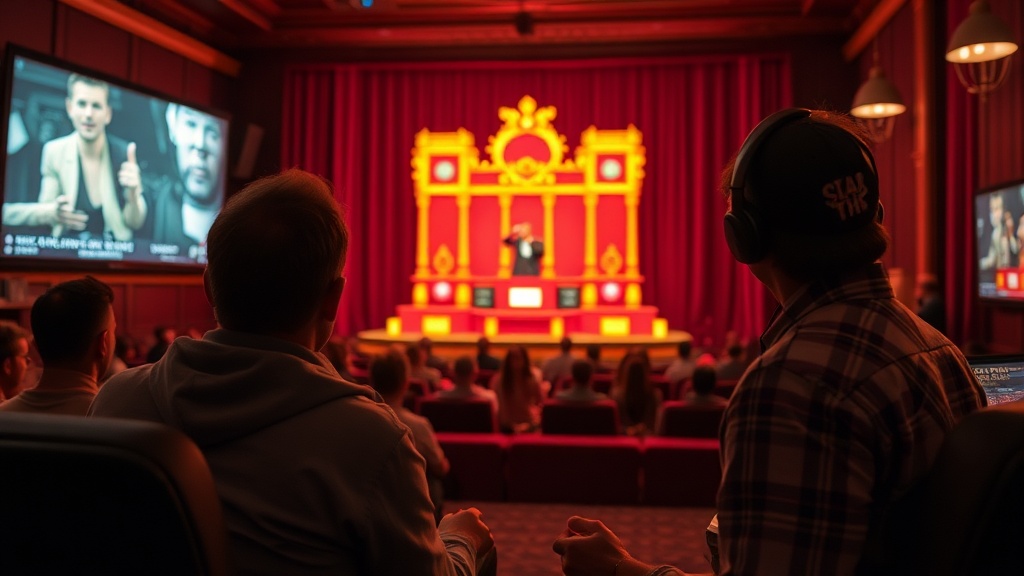
Why You Should Always Check Aspect Ratios Before Watching a Movie

Quick Tip
Always verify a movie's aspect ratio before watching to preserve the director's intended framing and visual impact.
Vibe Check: We’re watching a $20M thriller, the kind that prides itself on its practical effects. Everything looks sharp… until the screen stretches it into a muddy digital nightmare. Look, we need to talk about why the aspect ratio is the unsung hero of cinematic craft.
Aspect ratio defines how a movie is framed. It’s the first visual decision filmmakers make and the one most viewers ignore. A 2.39:1 widescreen epic can lose all its punch when squeezed into a 16:9 screen without letterboxing. Details vanish, compositions collapse, and the careful blocking—(check that depth of field in the wide shot, absolute magic)—gets trampled.
Look, most people stream on TVs or laptops, thinking the size alone makes it cinematic. Wrong. The ratio sets the rhythm, the tension, and the breathing space for actors. A narrow frame might suffocate an intense standoff; a tall frame might waste vertical space on empty walls. Every frame is intentional. Ignoring the ratio is like turning the volume down on the story itself.
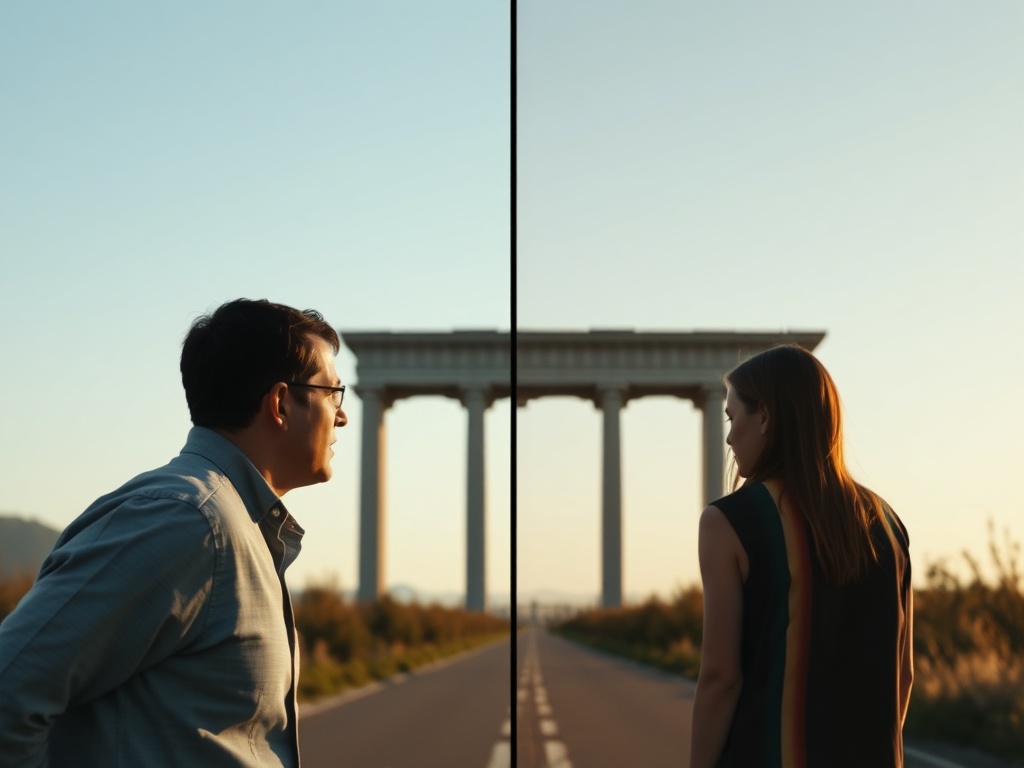
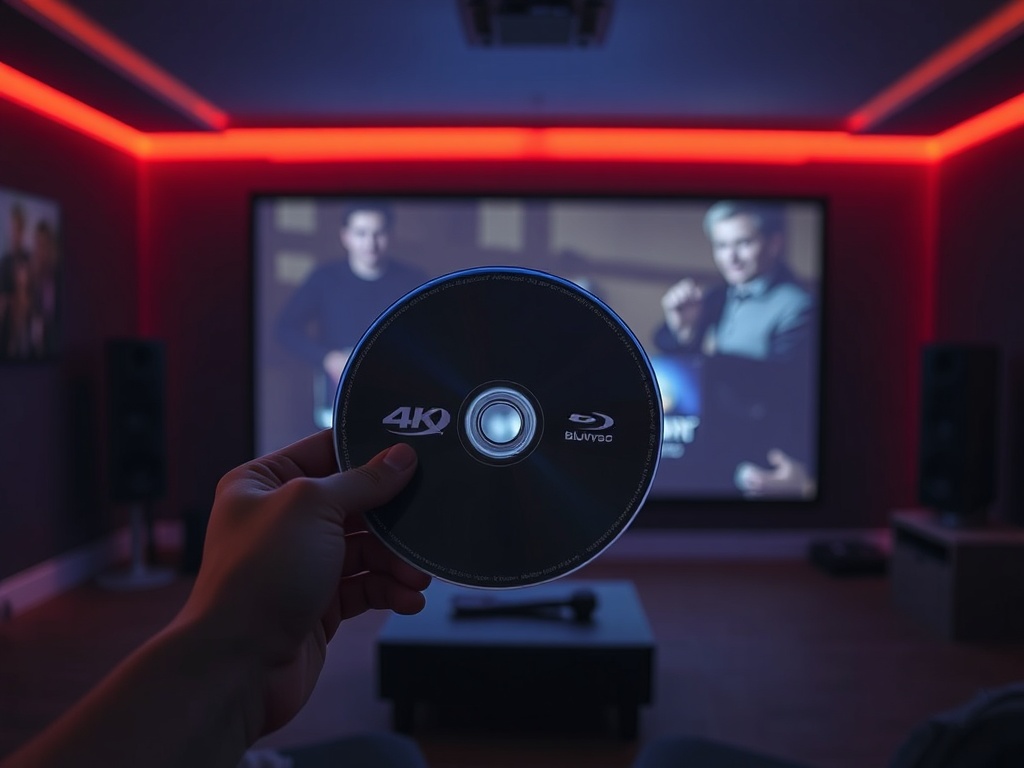
Practical tip: Before you hit play, check the movie’s original aspect ratio. Physical media is the gold standard—Blu-rays and 4K discs often preserve the intended framing. Streaming services? Bitrates lie, and letterboxing is inconsistent. If you’re serious about visual storytelling, your 4K shelf is more important than your subscription login.
Final quick hit: aspect ratio isn’t just technical—it’s narrative. Directors like Villeneuve, Mann, or Gerwig compose shots knowing exactly how they’ll appear in the frame. The wrong ratio throws the rhythm off. Your movie can be an all-timer or a total banger—or it can be a digital smear. The difference is that little rectangle on your screen.

See you in the front row.