Finding Meaning in the Shadows of Film Noir
The Power of Chiaroscuro
Shadows as Narrative Tools
Low-Key Lighting Techniques
In the 1940s, the average brightness of a cinema projector was barely enough to illuminate a single screen, yet filmmakers used that technical limitation to create the most striking visual style in history. This post breaks down the technical pillars of film noir, specifically how low-key lighting, high-contrast shadows, and specific camera angles create a sense of dread and moral ambiguity. We’ll look at the specific tools used by cinematographers to manipulate light and why these techniques still influence modern visual storytelling.
What Defines the Visual Style of Film Noir?
Film noir is defined by low-key lighting and high-contrast shadows, often referred to as chiaroscuro. Unlike the bright, high-key lighting used in traditional comedies, noir relies on a high ratio of shadow to light to tell a story. It isn't just about being "dark"—it's about the intentional placement of light to hide information from the viewer.
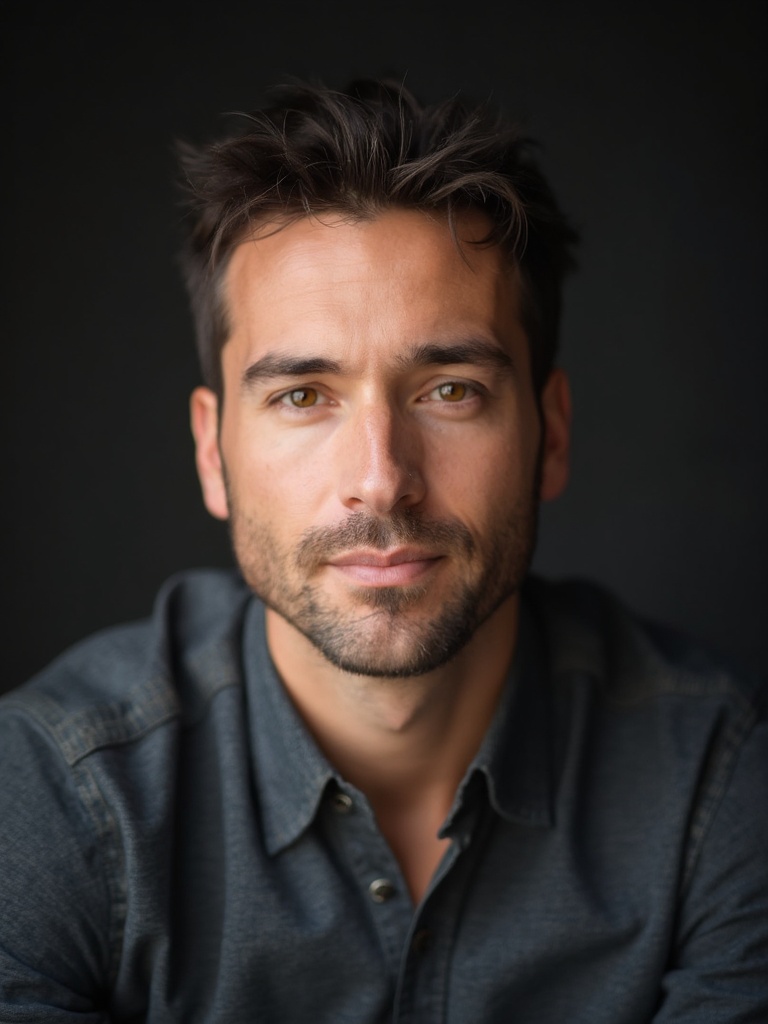
The goal here is to create a sense of unease. If a character is hiding something (which they always are in a noir), the lighting should reflect that. You'll see heavy use of "Rembrandt lighting," where a small triangle of light sits under the eye on the shadowed side of the face. It creates depth, but it also makes the character look fractured. It's a way to show that a person's psyche is just as broken as the city streets they walk through.
Think about the way light hits a Venetian blind. Those jagged, rhythmic lines of shadow across a detective's face aren't just a cool aesthetic choice. They represent the literal and figurative bars of a cage. The character is trapped by their circumstances, and the light is doing the heavy lifting for the script.
To truly understand how these visual elements work, you should check out our previous deep dive into how to appreciate cinematography. The technicality of light placement is the foundation of everything we're discussing here.
How Do Cinematographers Create Noir Lighting?
Cinematographers create noir lighting by using a single, hard light source and minimizing the use of "fill" light. In a standard studio setup, you'd use a three-point lighting system to ensure the subject is clearly visible. In noir, you're often stripping that down to a single light to create deep, unlit voids.
Here are the primary tools and techniques used to achieve that look:
- Hard Light: Using Fresnel lenses to create sharp, defined edges on shadows rather than soft, diffused light.
- Low-Key Ratio: Maintaining a high ratio between the key light and the ambient light to ensure the shadows stay black.
- Silhouettes: Placing the light source behind the subject to obscure their features entirely.
- Motivated Lighting: Using practical sources, like a desk lamp or a street lamp, to justify why a light is hitting a character a certain way.
It’s a delicate balance. If you overdo it, you lose the ability to see the actor's performance. If you underdo it, it's just a dark room. The magic happens in the transition between the light and the dark. It’s in that middle ground where the viewer's eye has to work a little harder to piece together the scene.
A great example of this is the work found in the history of film noir, where the lack of color actually helped the effect. Without color to distract the eye, the viewer is forced to focus purely on shape, texture, and the interplay of light. It's pure, unadulterated visual storytelling.
The Technical Breakdown of Noir Elements
I've seen a lot of people try to mimic this look with digital filters, but it rarely works. A filter can't recreate the way actual light interacts with physical space. To get it right, you have to understand the physics of the scene.
| Technique | Visual Result | Narrative Purpose |
|---|---|---|
| Chiaroscuro | Extreme contrast between light and dark | Signals moral ambiguity and tension |
| Dutch Angle | Tilted camera frame | Creates a sense of disorientation or "wrongness" |
| Hard Shadows | Defined, sharp edges on shadows | Creates a feeling of entrapment or confinement |
| Low-Angle Shots | Camera looking up at the subject | Makes characters look imposing or threatening |
The Dutch angle—that's the one where the camera is tilted—is a classic. It’s a way to tell the audience that the world is literally off-balance. It’s a subtle psychological trick. When the horizon line isn't level, your brain feels a slight sense of vertigo. It's uncomfortable. And in a good noir, discomfort is the point.
Why Is Shadow So Important in Film Storytelling?
Shadow is important because it represents the "unknown" in a narrative. In a world of absolute clarity, there is no room for mystery. By using shadows, a director can hide a weapon, a facial expression, or even a character's true intentions. It’s a way to weaponize the unseen.
The shadows aren't just empty space. They are active participants in the scene. A shadow cast by a heavy-set man might loom over a terrified protagonist, visually communicating a threat before a single word is spoken. This is much more effective than a character simply saying, "I'm scared." The visual does the work. It's efficient storytelling.
This connection between sight and sound is also vital. If a scene is visually dark and heavy, the audio needs to match that weight. A heavy, rhythmic shadow often pairs well with a low, brooding score or even specific ambient noises. If you're interested in how sound shapes the atmosphere, you might enjoy reading about the hidden language of Foley. It's all part of the same sensory experience.
Think about the way a shadow moves. A slow, creeping shadow across a wall can build more tension than a jump scare. It's about the anticipation of what's in the dark. The human brain is wired to fear what it can't see, and noir filmmakers used that primal instinct to keep audiences on the edge of their seats.
It’s not just about the aesthetics, though. It’s about the truth of the character. A man standing in a bright, well-lit room is a man with nothing to hide. A man standing in a sliver of light, surrounded by darkness, is a man with secrets. The light defines the character's reality.
The technical mastery required to pull this off is immense. You're fighting the natural tendency of light to bounce and fill a space. You have to be incredibly disciplined with your light placement. One wrong bounce off a white wall and your deep, moody shadow becomes a muddy, gray mess. It’s a high-stakes game of precision.
I remember watching a masterclass on lighting in a tiny independent theater back in the day. The instructor pointed out how a single bounce card could ruin an entire mood. It's that level of detail that separates a "dark movie" from a true piece of noir art. It’s the difference between being messy and being intentional.
The beauty of this style is that it's timeless. Even with modern digital sensors that can see in near-total darkness, the most effective noir films still rely on the same principles of light and shadow that were used eighty years ago. The tools change, but the psychology stays the same. We are still drawn to the mystery of the dark.