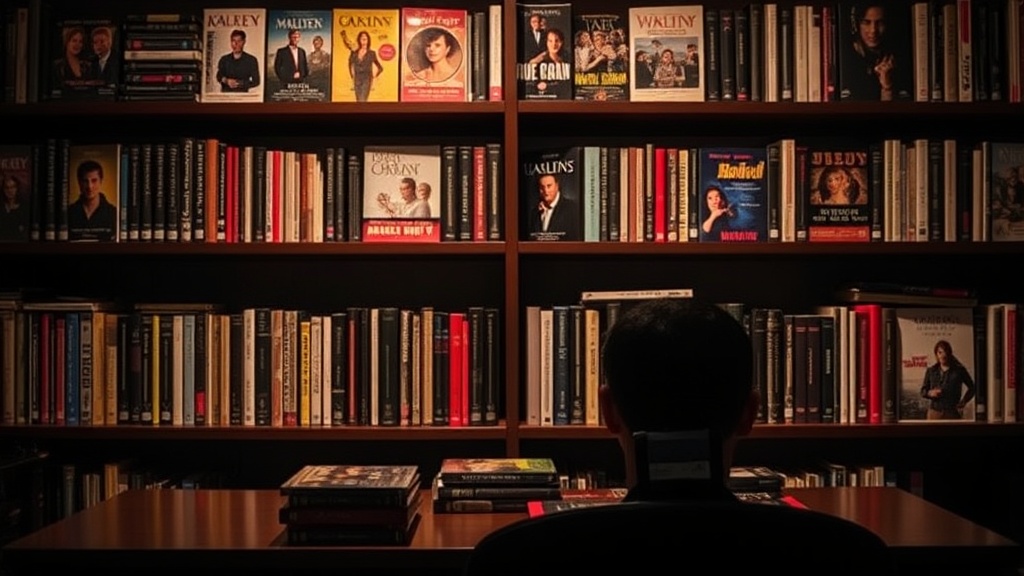
How to Curate Your Own Personal Film Library

Most people think building a film library is about amassing a massive collection of physical media or subscribing to every streaming service available. They mistake volume for curation. A true personal film library isn't a junk drawer of digital files; it is a structured, intentional archive of the works that shaped your cinematic taste. This guide will teach you how to move past mindless scrolling and build a collection categorized by technical merit, directorial intent, and historical significance.
Define Your Curation Philosophy
Before you buy a single 4K Blu-ray or organize a folder on a hard drive, you need to decide what your collection actually represents. Are you building a "Greatest Hits" library of Academy Award winners, or are you a specialist in a specific niche, such as 1970s New Hollywood or Japanese J-Horror? A library without a philosophy is just a pile of content.
Decide on your primary metric for inclusion. You might prioritize technical excellence, focusing on films with superior color grading, high-fidelity sound design, or groundbreaking cinematography. Alternatively, you might focus on auteur theory, building a collection centered around the specific visual languages of directors like Wes Anderson, Denis Villeneuve, or Greta Gerwig. Having a framework prevents "collection creep," where you end up owning mediocre films simply because they were trending on Netflix.
The Physical vs. Digital Debate
The medium you choose dictates how you interact with the film. While streaming services like MUBI or Criterion Channel offer incredible breadth, they lack the permanence of physical media. If you want to truly study a film, you need the highest possible bitrate. A 4K UHD disc from a studio like Criterion or Arrow Video provides a level of detail in the grain structure and shadow detail that even the best streaming platforms cannot match.
- Physical Media (4K/Blu-ray): Best for studying cinematography, texture, and high-fidelity audio. Essential for collectors who want ownership and specialized supplements.
- Digital Archives (Hard Drives/NAS): Best for high-volume storage and accessibility. If you go this route, ensure you are using high-bitrate files (MKV or MP4) to avoid the heavy compression artifacts found on most streaming sites.
- Streaming Services: Best for discovery and breadth, but unreliable for a "permanent" library due to licensing shifts.
Categorization Systems for Deep Study
Once you have your media, you need a way to navigate it. A simple alphabetical list is amateur. To treat cinema as a discipline, you should categorize your library using multiple metadata layers. This allows you to jump between different modes of viewing based on your current interest.
The Genre and Sub-genre Layer
Standard genres like "Action" or "Comedy" are too broad for a serious library. Instead, drill down into specific sub-genres. Instead of "Sci-Fi," create categories for Cyberpunk (e.g., Blade Runner), Space Opera (e.g., Star Wars), or Hard Science Fiction (e.g., 2001: A Space Odyssey). This level of granularity helps you understand the evolution of tropes and visual styles within a specific niche.
The Auteur and Technical Layer
This is where a library becomes a tool for learning. Create folders or tags based on directors, cinematographers, or even specific eras. For example, a folder dedicated to Roger Deakins' work will show you a progression in how light and shadow are used to create depth. You can also categorize by technical era, such as "The Golden Age of Hollywood" or "The French New Wave," to see how technological constraints shaped storytelling.
If you find yourself constantly returning to certain films to study their construction, you might want to look into why we love rewatching the same movies. This habit is actually a fundamental part of curation; it is how you move from a passive viewer to an active analyst.
Acquisition Strategies: Quality Over Quantity
To build a library that holds value, you must be selective about where you spend your money. The "bargain bin" approach leads to a collection of mediocre films that offer nothing in the way of technical insight. Instead, look for specialized distributors that prioritize the preservation of the filmmaker's original vision.
Criterion Collection is the gold standard for a reason. Their releases often include scholarly essays, video commentaries, and restored footage that provides context to the film's production. If you are interested in genre-specific excellence, look toward Arrow Video for cult classics and Kino Lorber for high-quality international cinema. These companies don't just sell a movie; they sell a piece of film history.
When acquiring films, always check the technical specifications. If you are building a library for a high-end home setup, prioritize titles that offer Dolby Vision or Dolby Atmos. A film with a great score deserves a high-fidelity audio track to truly land its emotional beats. Understanding how a score functions is vital, and seeing how it is presented in a high-end format can change your perspective. You can learn more about this in our breakdown of why movie scores change how you feel.
Maintaining and Expanding Your Archive
A library is a living entity. It should grow as your tastes evolve and as new technical breakthroughs occur. However, maintenance is just as important as acquisition. If you are using physical media, you need to consider storage environments—heat and humidity are the enemies of disc rot and film degradation.
- The Annual Audit: Once a year, go through your collection. Are there films you no longer value? If a movie no longer meets your criteria for "essential viewing," remove it. This keeps your library lean and impactful.
- The Supplement Hunt: For your most important titles, hunt for specialized supplements. This might mean finding a specific book about the film's production or locating a high-quality essay that explains the director's use of color.
- The Integration of New Tech: As display technology evolves—from OLED to MicroLED—re-evaluate your collection. A film that looked "okay" on an older LED screen might reveal incredible hidden details on a modern high-contrast display. This is a great time to spot hidden details in your favorite movies that you previously missed.
The Final Goal: The Curated Experience
The ultimate purpose of a personal film library is to facilitate a deeper connection with the medium. When you sit down to watch a film from your collection, you shouldn't just be "watching a movie." You should be engaging with a curated piece of art that you have intentionally selected, categorized, and preserved. Whether you are looking at the way a single frame is composed or how a soundscape builds tension, your library should serve as your personal university of cinema.
Steps
- 1
Define Your Collection Focus
- 2
Choose Between Physical and Digital Media
- 3
Organize by Genre or Director
- 4
Maintain and Protect Your Media