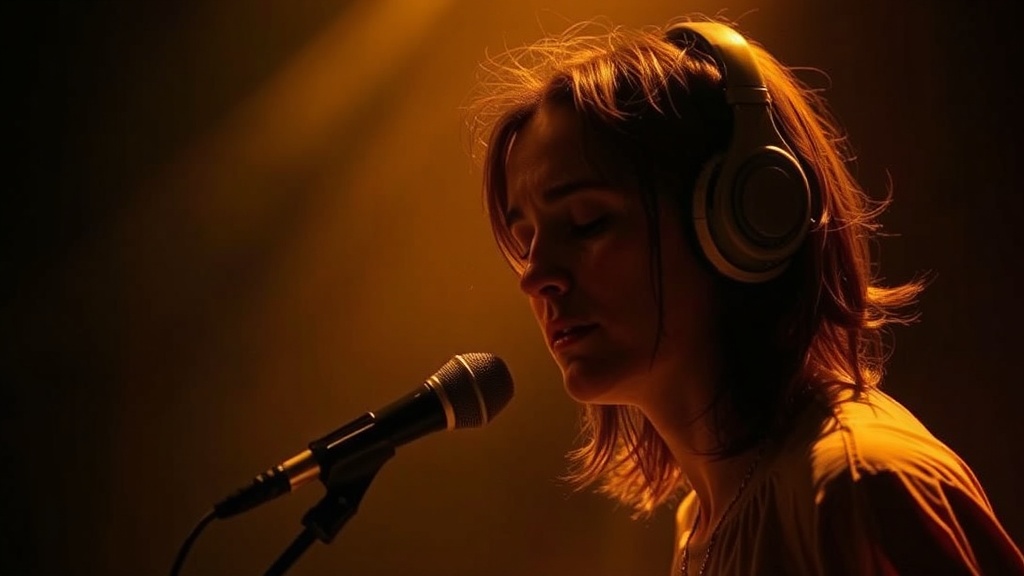
Look for the Sound of Silence

Quick Tip
When the music stops, listen to the ambient environment to understand the true tension of a scene.
You're going to learn why silence is often more powerful than a swelling orchestral score and how to spot it in your favorite films. Most people focus on what they see, but the real magic happens in the gaps between the noise.
Why is silence used in filmmaking?
Silence is used to heighten tension, emphasize isolation, or force the audience to sit with a character's internal state. It's a tool used to strip away the safety net of a constant soundtrack. When you pull the rug out from under the viewer—suddenly removing the ambient hum or the score—the emotional weight of a scene hits much harder.
Think about a high-stakes standoff in a Western. If the music is blasting, you're being told how to feel. If it's dead silent, you're actually in the room, feeling the sweat drip down the character's face. It’s a way to make the viewer feel vulnerable.
If you want to understand how sound shapes the way we perceive a frame, you should stop relying on the soundtrack for every single emotion and start looking at the absence of sound. It’s a subtle distinction, but it changes everything.
How do filmmakers create tension with no sound?
Filmmakers create tension by using "negative space" in the audio track to build anticipation or dread. This isn't just about a lack of noise; it's about the psychological discomfort of waiting for a sound that never comes (or one that arrives too late).
Here is how different genres utilize the absence of sound:
- Horror: Uses sudden silence to make the eventual "jump scare" sound deafening.
- Drama: Uses silence to highlight a character's loneliness or an inability to communicate.
- Thriller: Uses a low-frequency "room tone" that feels heavy, making the eventual silence feel even more oppressive.
It’s a bit like the concept of diegetic sound—the sounds that exist within the world of the film—but the absence of it is what makes the world feel real. If a character is in a desert, you expect the wind. If the wind stops, you're suddenly on edge.
What are the different types of "quiet" in cinema?
Not all silence is created equal. A filmmaker might use a "dead" silence to signal a change in reality or a psychological break.
| Type of Silence | Intended Effect | Example Scenario |
|---|---|---|
| Absolute Silence | Disorientation/Shock | A character experiencing a concussion or sudden loss. |
| Ambient Silence | Realism/Grounding | A quiet room with just the faint hum of a refrigerator. |
| Suspenseful Silence | Anxiety/Dread | The moment right before a predator strikes. |
Next time you're watching a movie, try to notice when the soundscape disappears. Don't just watch the screen—listen to the void. You might find that the most important things being said are the things that aren't being heard at all.