Why You Should Watch Foreign Language Films Regularly

This guide explains why incorporating foreign-language cinema into your viewing habits expands your technical understanding of film, broadens your cultural perspective, and helps you identify unique storytelling structures that Hollywood often overlooks. You will learn how to navigate subtitles, recognize specific regional filmmaking styles, and build a diverse watchlist that improves your overall film literacy.
Breaking the Visual Language Barrier
Many viewers avoid subtitled films because they believe they are "missing" the action while reading. This is a misconception. In reality, watching foreign cinema forces you to engage more deeply with the visual language of a film. When you aren't relying on a familiar English-speaking star to carry the emotional weight, you begin to pay closer attention to the technical elements that drive the narrative.
In domestic Hollywood productions, the dialogue often does the heavy lifting. If a character is angry, they say they are angry. In many international traditions, the emotion is conveyed through composition, lighting, and pacing. For example, look at the works of Hirokazu Kore-eda. His films often use long takes and static camera placements to allow the natural rhythm of human interaction to unfold without forced dramatic beats. By watching these films, you learn to analyze movie cinematography by observing how much information is being communicated through the frame rather than the script.
Subtitles actually act as a secondary layer of information. They provide a rhythmic counterpoint to the visual movement. If you practice watching films with subtitles, you will notice that the "distraction" of reading actually sharpens your ability to track subtle visual cues—like a shift in a character's gaze or a change in the color temperature of a room—because your brain is working harder to synthesize two different streams of information simultaneously.
Diverse Narrative Structures and Pacing
The "Three-Act Structure" is the backbone of most Western cinema, but it is far from the only way to tell a story. If you only watch English-language films, you are essentially training your brain to expect a specific type of tension and resolution. Foreign cinema introduces you to vastly different temporalities and narrative shapes.
- Slow Cinema (The Long Take): Filmmakers like Andrei Tarkovsky or Béla Tarr utilize extreme long takes and slow pacing. This isn't "boring"; it is a deliberate technique used to induce a meditative state or to emphasize the passage of time and the weight of existence.
- Non-Linearity: While Hollywood uses non-linear storytelling (think Memento), many international directors use fragmented timelines to explore memory and trauma in ways that feel more organic and less like a "puzzle" for the audience to solve.
- Slice-of-Life Realism: Many Iranian and South Korean films focus on the mundane details of daily life to build profound emotional stakes, rather than relying on high-concept plots or explosive climaxes.
Understanding these different rhythms makes you a more sophisticated viewer. You stop asking "What happens next?" and start asking "How does this moment feel?" This shift in perspective is essential for anyone wanting to understand the full spectrum of human storytelling.
Expanding Your Technical Palette
Different film industries have different "looks" dictated by both budget and aesthetic tradition. When you move outside of the US/UK bubble, you encounter different ways of using color, light, and sound. This exposure is crucial for understanding how technical choices influence the viewer's subconscious.
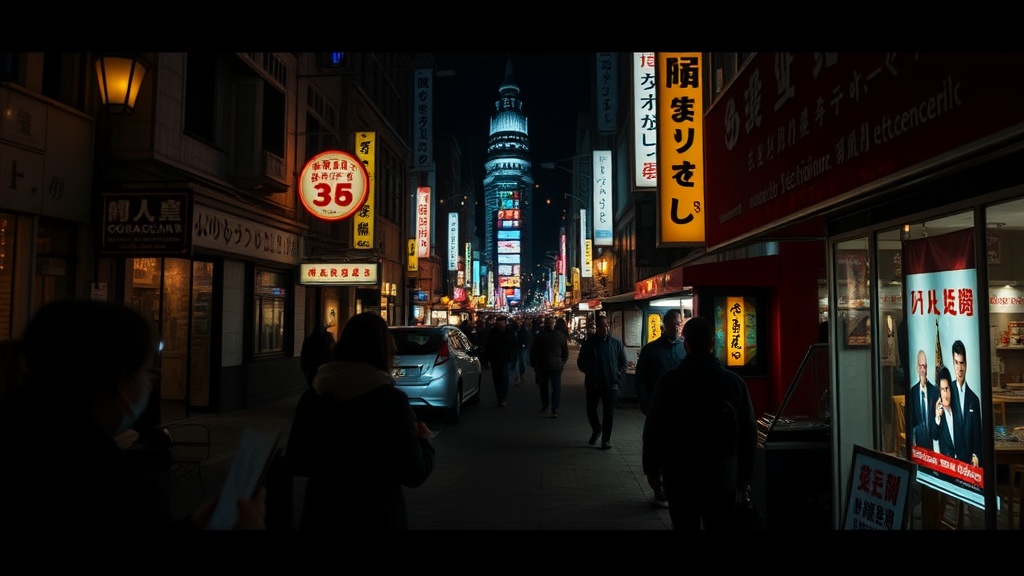
Consider the high-contrast, neon-soaked aesthetic of modern South Korean thrillers like Parasite or Oldboy. These films use color and light to create a sense of claustrophobia and class tension that feels distinct from the polished, high-key lighting often found in American blockbusters. Understanding these nuances allows you to see how directors use color palettes to communicate character emotion and social standing.
Furthermore, the soundscapes in international cinema often differ significantly. While Hollywood frequently relies on heavy orchestral scores to tell the audience how to feel, many European and Asian films utilize diegetic sound (sound occurring within the world of the film) or minimalist ambient scores to create tension. This teaches you to listen to the "silence" in a film and recognize how much work a sound designer can do without a traditional soundtrack.
Practical Tips for Starting Your Journey
If you are new to this, don't start with a six-hour black-and-white epic. You will burn out. Build your "film muscle" incrementally with these practical steps:
- Start with Genre Films: If you love horror, try Japanese or Spanish horror (like The Orphanage). If you love action, look at the highly stylized kineticism of Hong Kong cinema. Familiarity with a genre makes the language barrier feel less intimidating.
- Use High-Quality Subtitles: Avoid low-budget streaming sites with poorly translated subtitles. Use reputable platforms like MUBI, Criterion Channel, or even the "Original Language" settings on Netflix. Good translation captures the subtext and slang, not just the literal meaning.
- Watch with Intent: Don't treat a foreign film like background noise. Because you are reading, you need to be more present. If you find your eyes drifting to your phone, you’ve lost the thread of the visual storytelling.
- Research the Movement: Before watching, spend five minutes looking up the director or the movement the film belongs to (e.g., French New Wave, Italian Neorealism, New Korean Cinema). Knowing the context of the era will make the stylistic choices much more obvious.
The Cultural Intelligence Factor
Cinema is the most effective way to experience a culture from the inside out. When you watch a film from a different country, you aren't just watching a story; you are observing their social hierarchies, their humor, their family structures, and their relationship with history. This provides a level of empathy and global awareness that a news report or a travel documentary cannot replicate.
A film like Roma (Mexico) or Shoplifters (Japan) provides a granular look at domestic life that humanizes people who might otherwise feel "othered" in mainstream media. By diversifying your watchlist, you move past stereotypes and begin to see the universal human experiences through a variety of specific, localized lenses. This isn't just about being a better movie fan; it's about being a more informed citizen of the world.
The goal isn't to become a scholar, but to become a more observant, more empathetic, and more technically aware viewer. The next time you sit down to watch something, don't just look for the familiar. Look for the different. The rewards are well worth the extra effort of reading the bottom of the screen.